
What Size Headsail is Right for Your Yacht?
When discussing a new cruising headsail, one of the most common questions we are asked is simply: what size should it be? Should you sail with a jib or a genoa, how big should it be for your boat, and why has that particular size been recommended? Headsail choice can feel confusing, especially when the same boat is seen sailing with very different looking sails. In reality, there is no single correct answer. The ideal headsail size is a balance of power, control, rig geometry and how you use your yacht. In this article we break down how cruising headsail sizes are determined, explain the role of LP and sail area, and outline the key factors that influence whether a jib or genoa will work best for your boat. Our aim is to give you a clear understanding of the decisions behind your next Sanders headsail, so you can move forward with confidence knowing it has been designed for the way you sail.
What Determines the Right Headsail Size?
Selecting the correct headsail size is one of the most important decisions you will make when specifying a new sail. Get it right and the boat feels balanced, efficient, and forgiving. Get it wrong and you can quickly find yourself fighting excessive heel, poor pointing, or a narrow wind range. At Sanders Sails, headsail size is never a one-number decision. While headsails are often described by an LP percentage, this figure on its own does not define how a sail will perform. The right headsail is about finding the correct balance between power, control, and versatility for the way you sail.
LP stands for Luff Perpendicular. It is the shortest distance measured at right angles from the clew of the sail to the luff. Headsails are commonly described as a percentage of the yacht’s J measurement (the distance from the mast to the forestay at deck level).
For example:
- A 100% LP jib has an LP equal to J
- A 135% LP genoa has an LP that is 1.35 × J
This percentage gives a clear reference for comparing sail sizes, but it does not tell the full story on its own.
Start With How and Where You Sail
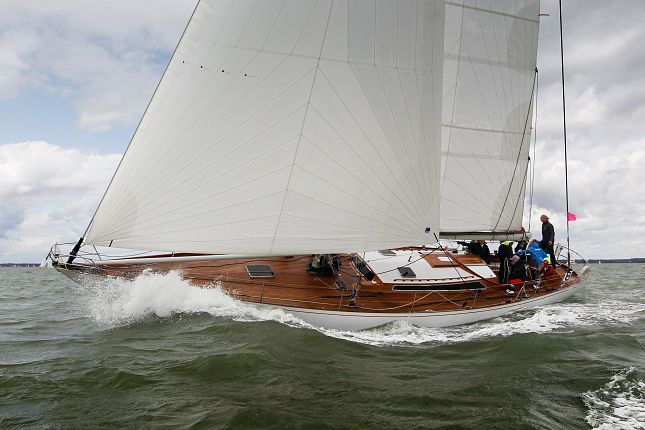
The most influential factor in headsail area is your typical sailing environment. Boats sailed predominantly in lighter wind regions will often benefit from a larger LP to generate power and maintain speed through manoeuvres. In contrast, boats sailing regularly in stronger or gustier conditions usually perform better with a smaller headsail that keeps the boat on its feet and reduces weather helm. Equally important is sea state. Flat water allows you to carry more sail area efficiently, while short, steep waves often favour a smaller, more controllable headsail that can be trimmed effortlessly through chop.
Rig Geometry and Boat Balance
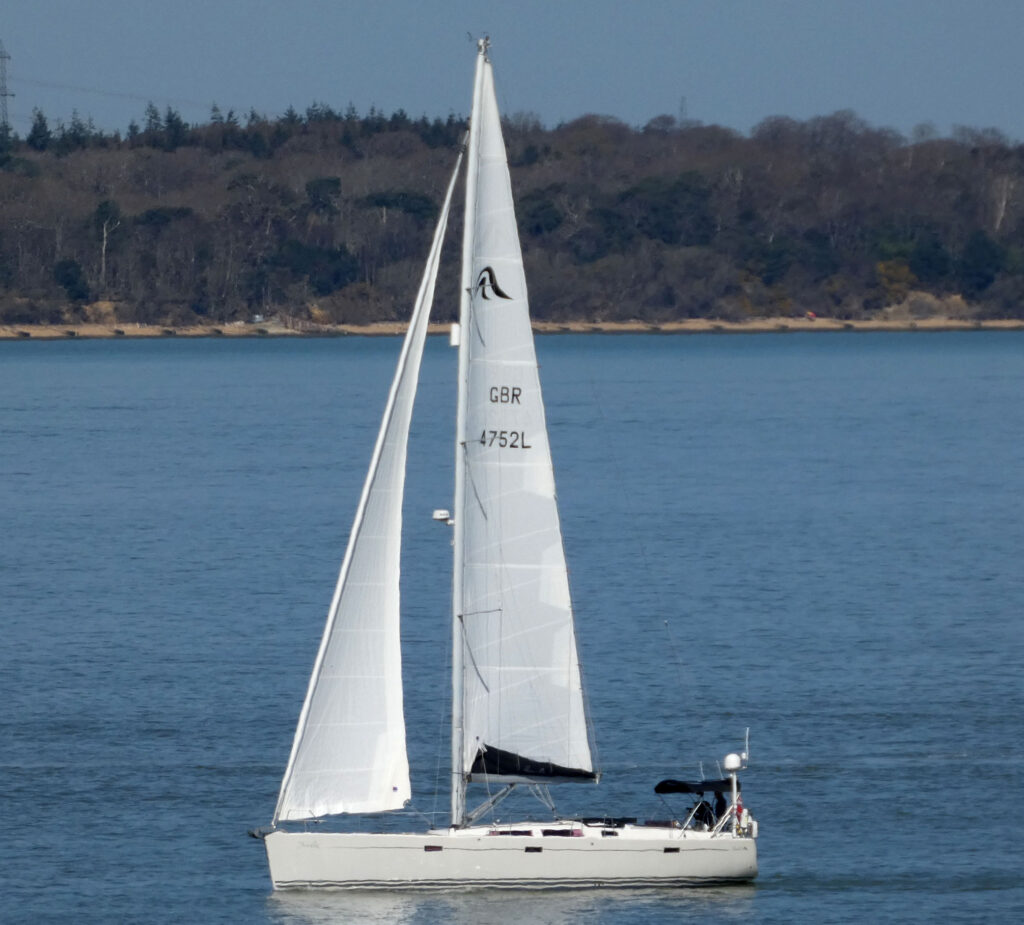
Rig configuration plays a fundamental role in determining the correct headsail size. Masthead rigs rely more heavily on headsail area for driving force and will typically favour larger LP percentages. Fractional rigs, by contrast, derive more power from the mainsail, which generally results in smaller headsails and tighter sheeting angles. Achieving the right balance between mainsail and headsail is essential. An oversized headsail can overpower the rig and increase weather helm, while an undersized sail can leave the boat underpowered and unresponsive in moderate conditions.
Deck and Rigging Layout
Headsail size must also work with the hardware on deck. Sheet lead positions, track length, furling systems and clew heights all influence how large a sail can be trimmed effectively. A sail that looks good on paper but cannot be sheeted correctly will never perform as intended. When specifying a new headsail, it is essential to consider how the sail will interact with existing tracks and winches, and whether adjustments are required to unlock the sail’s full potential.
Jib vs Genoa – what is the difference?
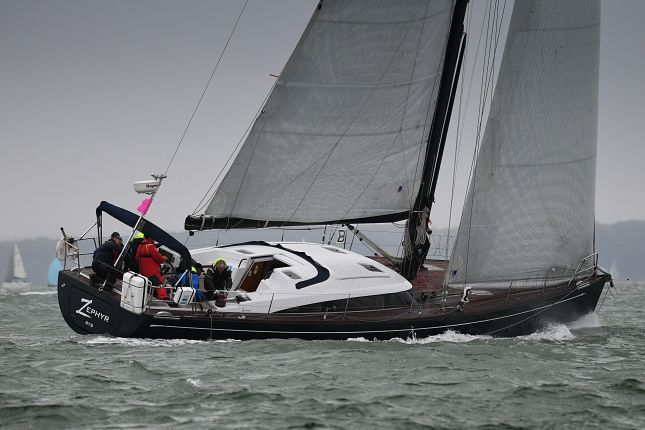
The terms jib and genoa are often used interchangeably, but the distinction is straightforward. A jib is a non-overlapping headsail, typically up to around 110% LP, that remains within the foretriangle and does not extend aft of the mast. Its smaller area makes it efficient and controllable in stronger winds, allowing the sail to work effectively without excessive furling or loss of shape. A genoa, by contrast, is an overlapping headsail whose foot extends beyond the mast, increasing sail area and overlapping the mainsail. This additional area is particularly valuable in light to moderate conditions, where power and drive are at a premium. In simple terms, jibs prioritise control and efficiency as the breeze builds, while genoas provide maximum power when wind strength is limited.
Design Matters as Much as Size
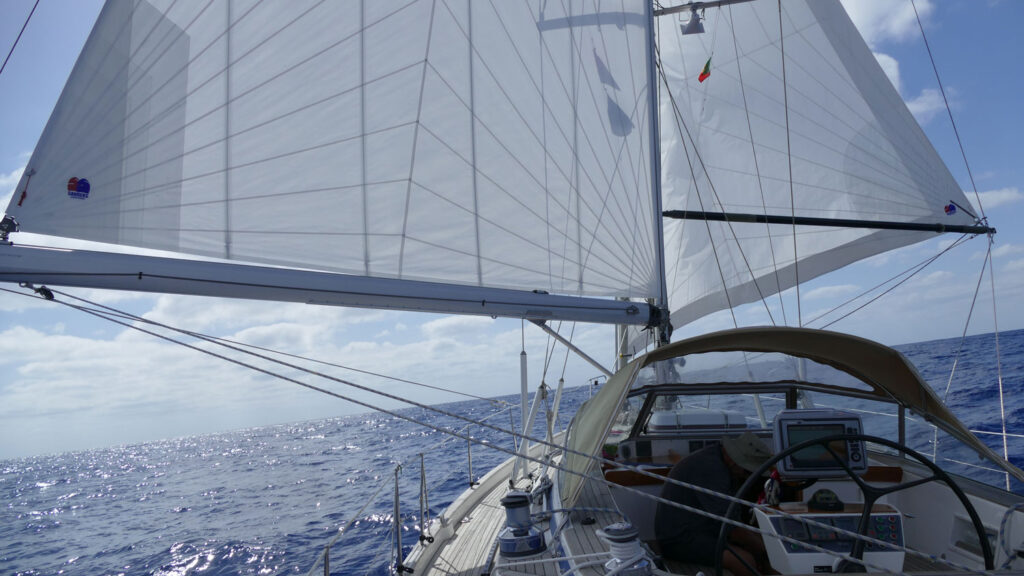
Two headsails with the same LP can behave very differently. Luff shape, entry angle, leech profile, and cloth selection all influence how a sail delivers power and how forgiving it is to trim. Modern sail design allows us to create wider steering grooves, better furling behaviour, and more consistent performance across changing conditions – often reducing the need for extreme sail area choices. This is why we place as much emphasis on how a sail is designed as how big it is.
The Sanders Approach
We treat headsail area as part of a complete system rather than a standalone number. Every recommendation is based on:
- Your boat and rig geometry
- Your sailing location and conditions
- Your experience level and sailing goals
- How the sail will be trimmed and handled on deck
The result is a headsail that feels natural on the boat, performs across a wide range, and complements the rest of the sail wardrobe rather than dominating it. If you’re considering a new headsail and want to understand what sail choice truly makes sense for your yacht, we’re always happy to talk it through. A short conversation at the outset often makes the difference between a good sail and a great one.
Visit our cruising headsails page for more information.