
Introduction: Why the Slot Matters
The slot between the jib and the mainsail is one of the most important and least visible areas of sail trim. It governs how air accelerates through the middle of the sail plan, how efficiently the two sails work together, and how balanced the boat feels on the helm. When the slot is set correctly, the boat feels smooth, forgiving, and easy to drive. Speed builds naturally, the helm stays light, and pointing improves without forcing the boat. When the slot is wrong, problems appear quickly: backwinding in the mainsail, excessive heel, narrow steering grooves, or a boat that feels fast one moment and sticky the next. Some sailors describe this as “matching leeches.” In reality, it is about aligning twist, angle of attack, and airflow between the jib and the main so that both sails operate in harmony rather than fighting each other.
What We Mean by “The Slot”
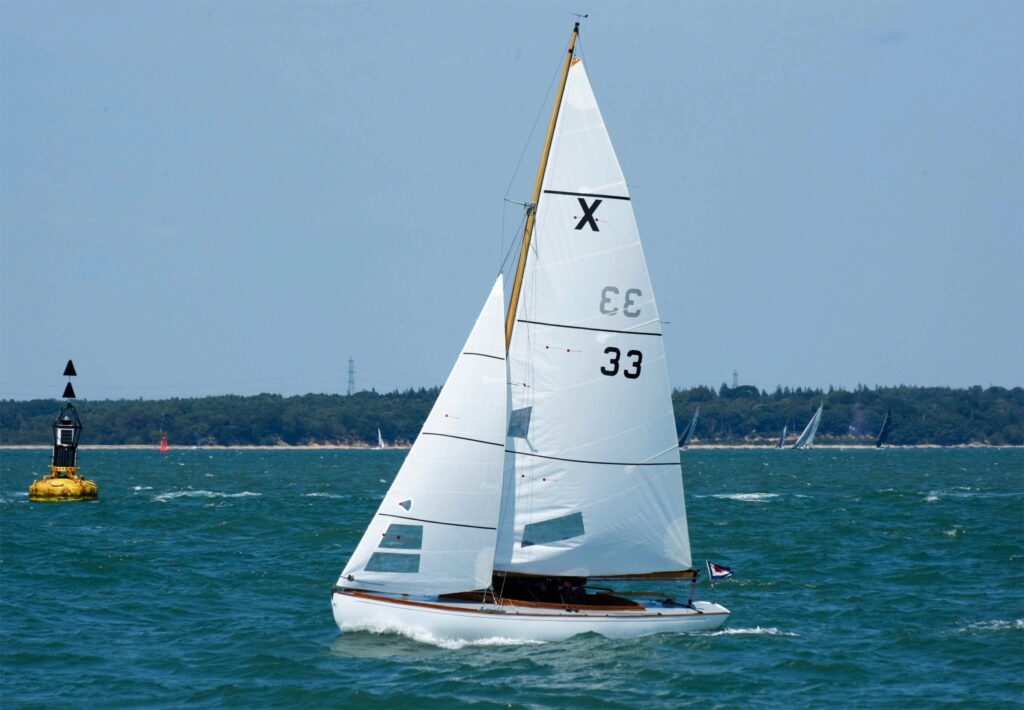
The slot is the gap between the windward side of the jib and the leeward side of the mainsail. Air accelerated by the jib feeds directly into the mainsail, increasing its efficiency, but only if the airflow stays attached and clean. A healthy slot has three key characteristics:
- Clean airflow from jib to main
- No backwinding in the mainsail luff
- Matching levels of twist between the two sails
The goal is not the smallest slot, but the most effective one.
Start With the Mainsail
Before adjusting the jib, the mainsail must be trimmed correctly for the conditions. The main sets the overall balance of the rig and determines how much room the jib has to work.
Key mainsail priorities upwind:
- Stable leech with appropriate twist
- No excessive hook in the leech
- Draft position suited to wind strength
- Helm neutral and manageable
If the mainsail is too full or too closed, no amount of jib adjustment will fix the slot – the problem will simply move around the rig.
Setting the Jib to Match the Slot
Once the main is settled, adjust the jib so its exit flow aligns with the mainsail’s entry.
1. Jib Sheet Tension: Angle of Attack
Sheet tension controls how hard the jib is working and how open the slot becomes.
- Too tight:
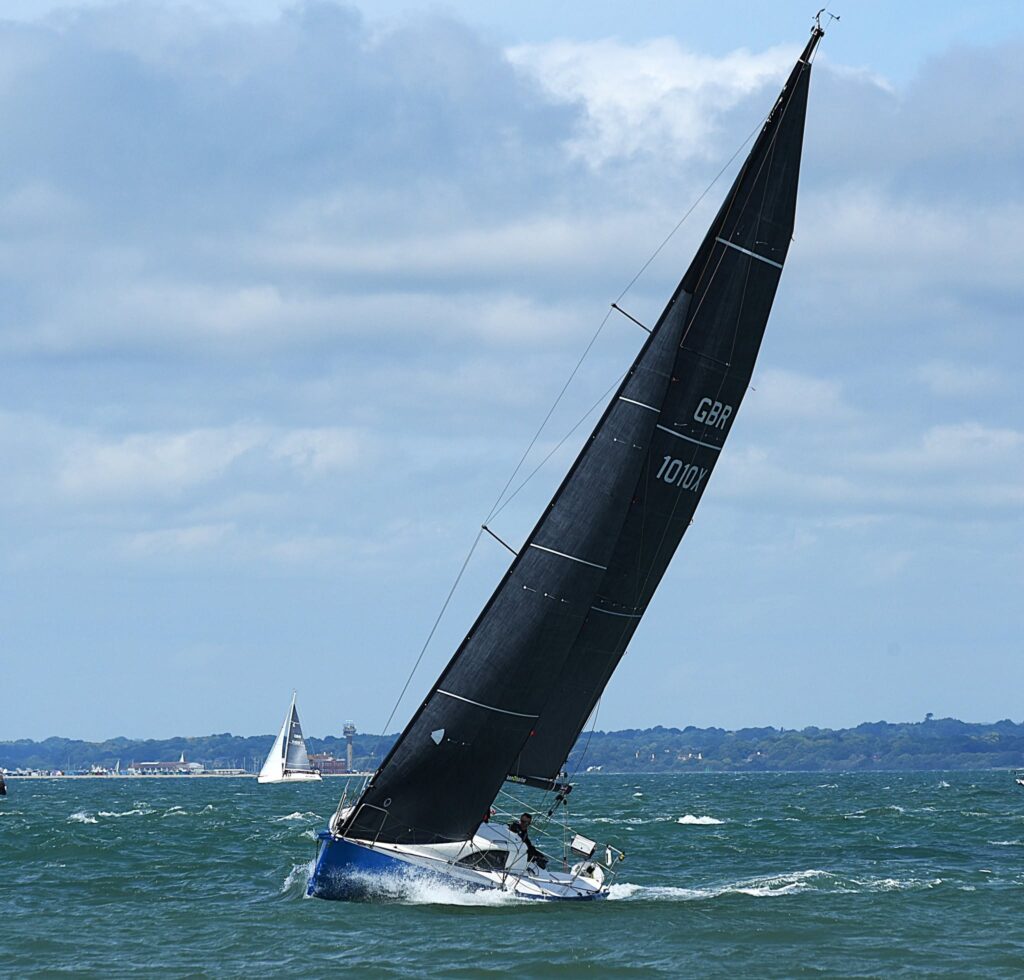
- Backwinding appears in the mid-luff of the mainsail
- Boat feels sticky and overpowered
- Helm load increases
- Too loose:
- Slot becomes too open
- Height suffers
- Flow detaches early
2. Jib Lead Position: Matching Twist
The jib lead controls how the sail twists from foot to head and therefore how well it aligns with the mainsail leech.
- Lead too far forward:
- Tight upper leech
- Slot closes at the top
- Main stalls aloft
- Lead too far aft:
- Excessive twist
- Slot opens too much
- Loss of pointing and power
Using Tell-Tales to Read the Slot
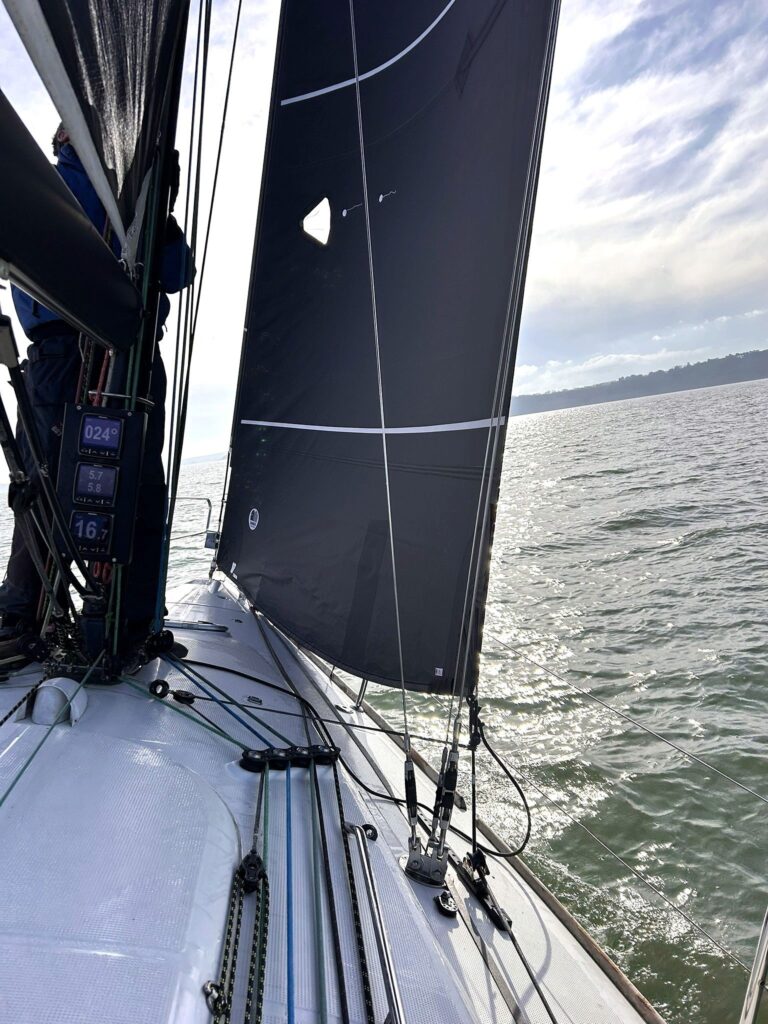
Tell-tales are one of the most effective tools for assessing slot health. Jib leech tell-tales:
- Flowing cleanly = good alignment
- Stalling early = leech too tight
Mainsail luff behaviour
- Quiet, smooth entry = slot working
- Persistent backwinding = slot too tight
The helm should then steer to maintain this flow, rather than relying on constant trimming.
Slot Control Through the Wind Range
Light Air
- Slightly fuller sails
- wider slot acceptable
- Prioritise acceleration over height
Medium Air
- Balanced twist between jib and main
- Clean airflow through the slot
- Best pointing and VMG
Heavy Air
- More twist in both sails
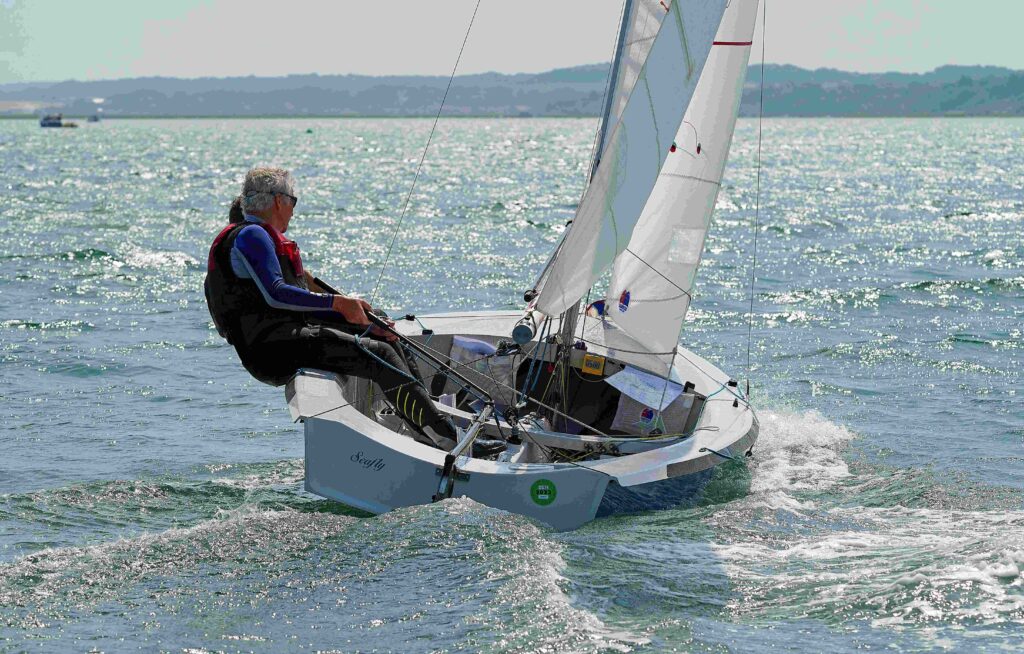
- Slot opens slightly to reduce heel
- Control and efficiency before height
As conditions change, small adjustments — not wholesale changes — keep the slot working.
Final Thought: Flow Before Force
Slot trim is not about squeezing sails together for maximum power. It is about managing airflow so both sails work efficiently as a system. At Sanders Sails, we design sails to operate together – not in isolation. When the slot is right, trim becomes calmer, steering becomes easier, and performance becomes repeatable across a wide range of conditions. Get the flow right, and the speed follows.