
Cleaner Hoists. Faster Sets. Better Control.
A smooth spinnaker hoist starts well before the halyard goes up. One of the most common mistakes in downwind sailing is hoisting too early, before the boat has fully turned away from the wind. Especially in heavier air, this can quickly lead to an uncontrolled fill, loss of control, or a costly broach – often at the busiest part of the racecourse.
Ideally, the spinnaker should be contained, pre-fed, and ready to fly cleanly in front of the rig. As the boat bears away around the windward mark or offset, the head should be free to rise immediately, with the sail staying compact until it is fully hoisted. This is where spinnaker zipper systems come into their own.
Why Use a Zipper System?
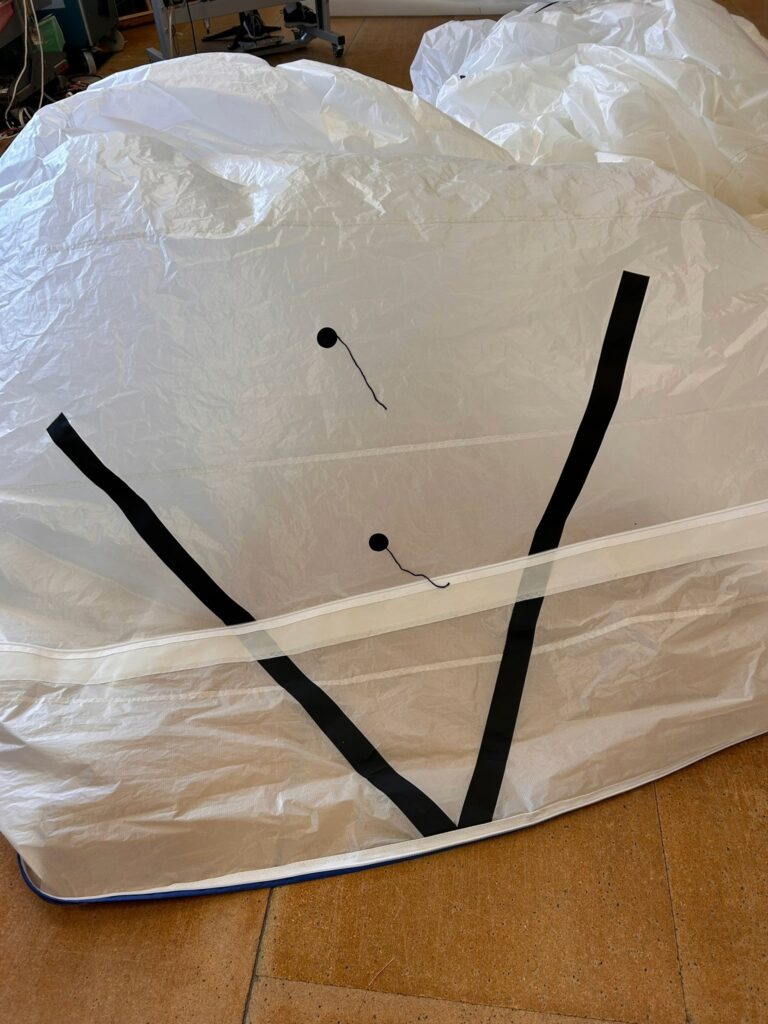
Spinnaker zippers are designed to keep the sail neatly contained during hoists and takedowns, allowing crews a critical few extra seconds to complete the hoist before the sail fills. By holding the sail together as it goes up, the zipper system helps prevent premature filling, reduces chaos on the foredeck, and improves overall reliability.
Zippers also keep the foot and tack organised, making life easier for the bow team and reducing the risk of twists or snags. With the sail properly zipped, the head is easier to control and position forward, setting you up for a clean hoist and even an immediate gybe if required.
Earlier systems relied on wool ties, Velcro loops, or rubber bands. While effective to a point, these solutions degrade over time and often end up lost overboard, polluting the sea. Zipper systems offer a cleaner, more durable alternative and are now mandatory in many offshore events.
How to Set Up a Spinnaker Zipper System
After the takedown, follow these steps to prepare the sail efficiently and reliably:
- Attach the spinnaker head to a strong point on the inside of the bow using a carabiner or slip knot. This holds the sail in place and frees your hands, particularly helpful when working below deck while racing continues.
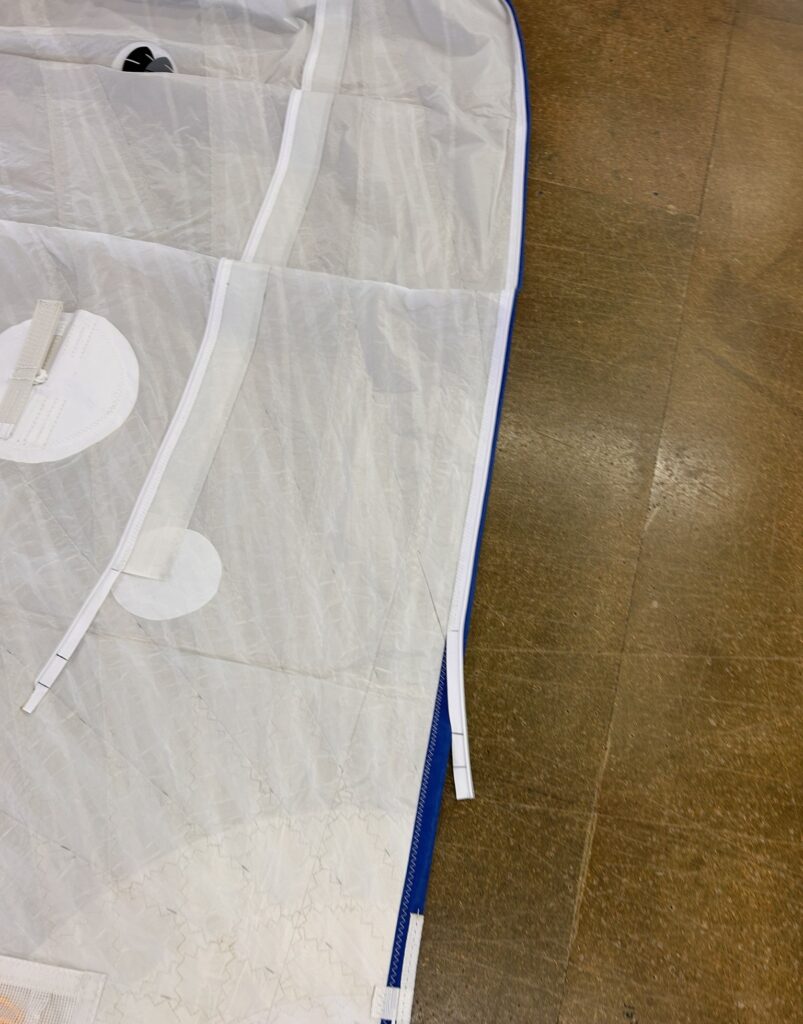
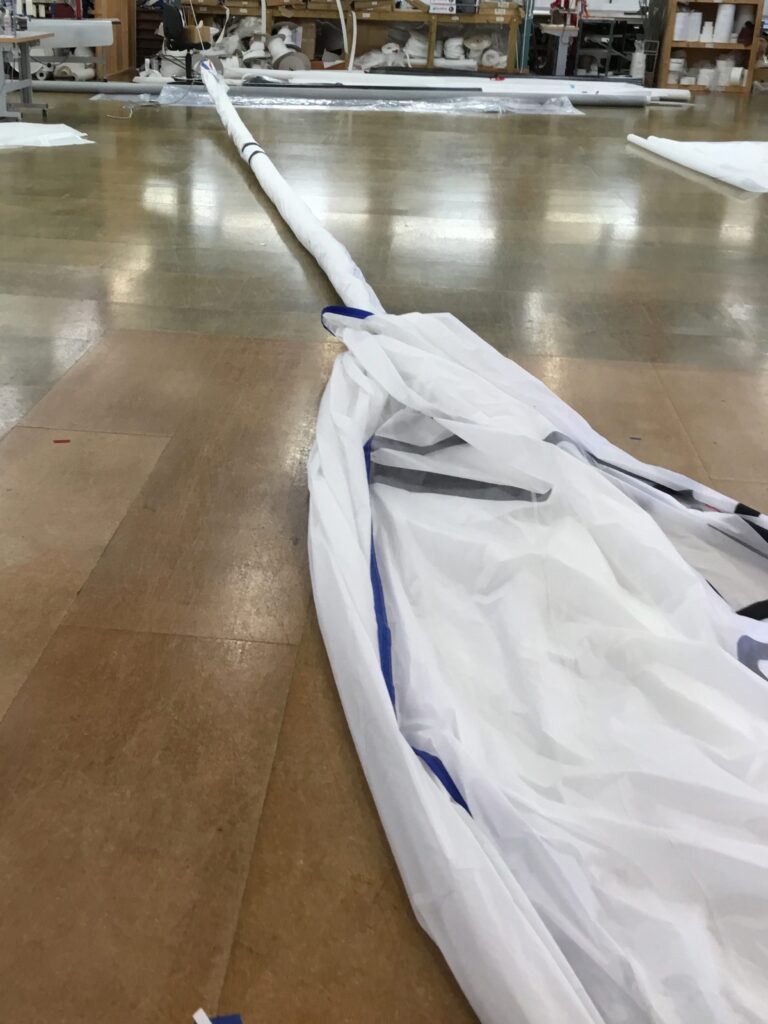
- Gather the sailcloth between the two zipper edges, bringing them together evenly: think of closing a jacket. Feed the zipper car onto the track, ensuring both sides are level before starting.
- As you move down the sail, run a finger along the underside of the zipper car to keep fabric clear of the teeth. This is critical as any trapped material can tear under load.
- Once you reach the end of the zipper, hold the sail together and remove the zipper car. Use the fixed Velcro retainer to prevent accidental unzipping, then gently ‘break’ the zipper end so it will release cleanly under hoist load.
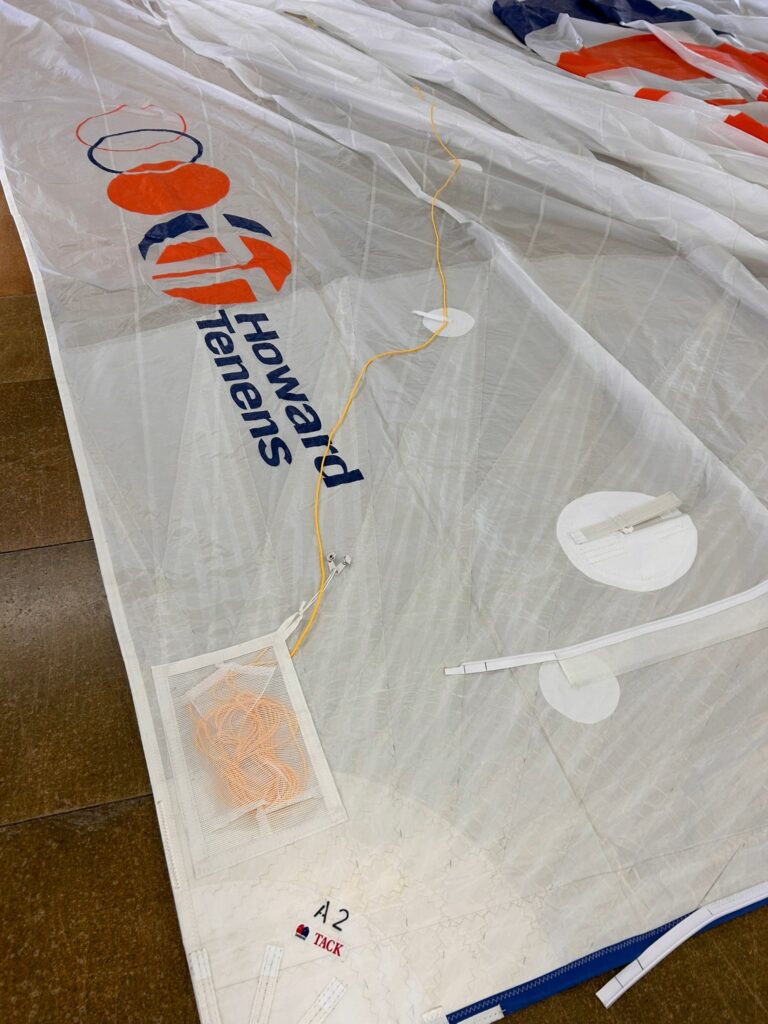
- Apply the same process along the foot of the sail, keeping light tension on the cloth as you zip toward the clew. This prevents bunching and ensures a neat, compact pack.
- Store the zipper slider on the spinnaker bag or clip it below deck, ready for the next takedown. With the sail zipped, packing becomes quicker, cleaner, and far more manageable.
The Sanders Approach
While the process is straightforward, it is worth remembering that this is often done in confined spaces, sometimes alone, and usually under time pressure. Securing the head before zipping makes a huge difference, allowing you to focus on accuracy rather than wrestling the sail. Practising the zipper method and timing yourself is time well spent, especially on shorter upwind legs where turnaround time is tight. Becoming confident with this system is a key step toward slick foredeck work and consistently fast hoists.