
Introduction
When new sails are supplied, battens are always measured, cut, and supplied to the correct length before leaving the loft. However, sailing rarely happens under perfect workshop conditions. Occasionally a batten may arrive slightly oversized, a sail may be fitted on the boat where access is more restricted, or a replacement batten sourced during a trip might simply be too long. In these situations, knowing how to trim a batten safely and correctly becomes extremely useful. It is a straightforward job, but it is also one that is often done poorly, which can lead to rough edges, damaged pockets, or weakened battens.
At Sanders, we regularly work with three main types of battens:
- RBS Battens
- Bluestreak Battens
- Contract Battens
Each material behaves slightly differently when being trimmed. The following guide explains the correct approach and highlights a few important things to avoid.
Tools You Will Need
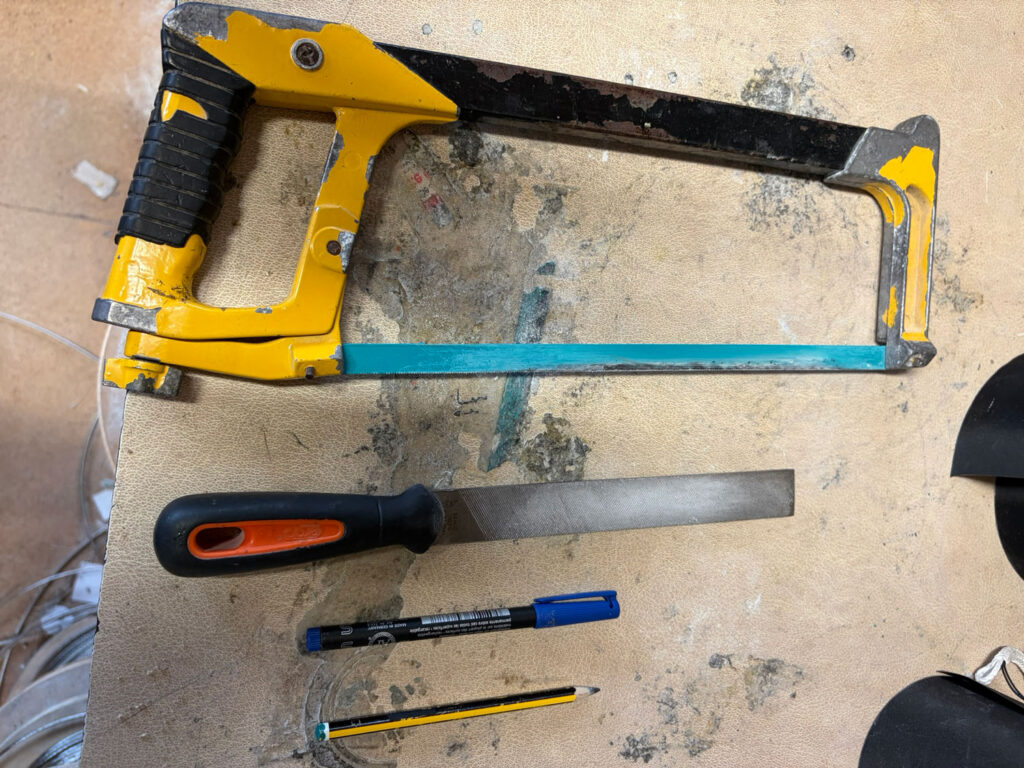
Before starting, make sure you have the correct tools to complete the job safely and cleanly. The recommended tools are:
- A marker pen or pencil for marking the cut point
- A vice or secure clamping surface
- A fine-tooth hacksaw
- A file or abrasive block for finishing the edges
- Protective gloves (essential when handling contract battens)
Step 1 – Measure and Mark the Cut
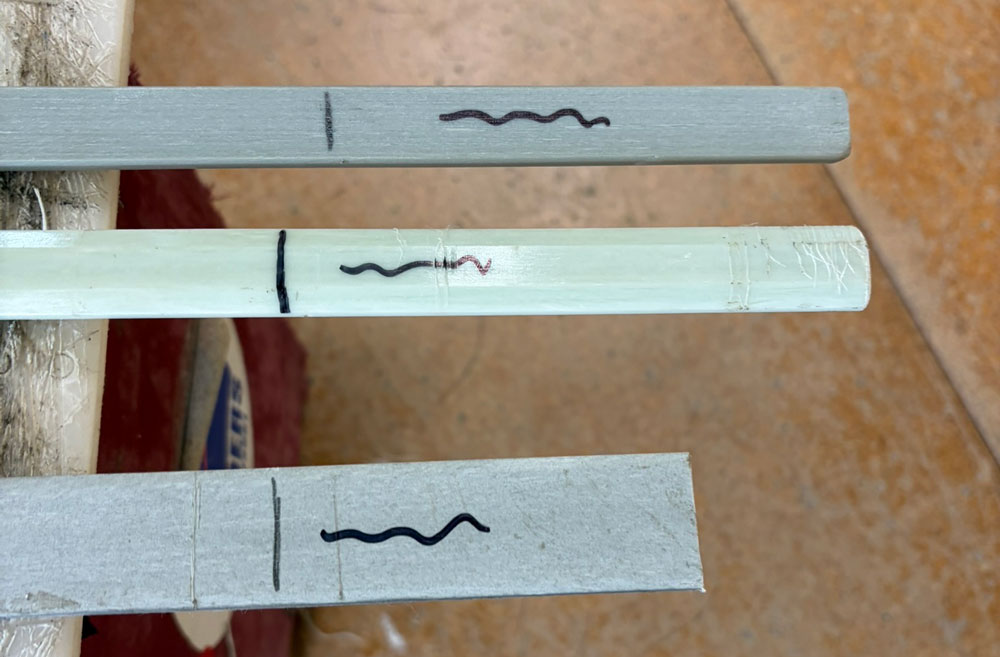
Before cutting anything, carefully measure the required batten length and mark the position where the cut should be made. Always measure twice before cutting, particularly if you are shortening an expensive batten. Different battens require slightly different marking methods:
- RBS Battens – Mark the cut position clearly using a pencil.
- Bluestreak Battens – These surfaces can be harder to mark, so a marker pen works best.
- Contract Battens – Mark using a pencil, ensuring the line is clear and visible.
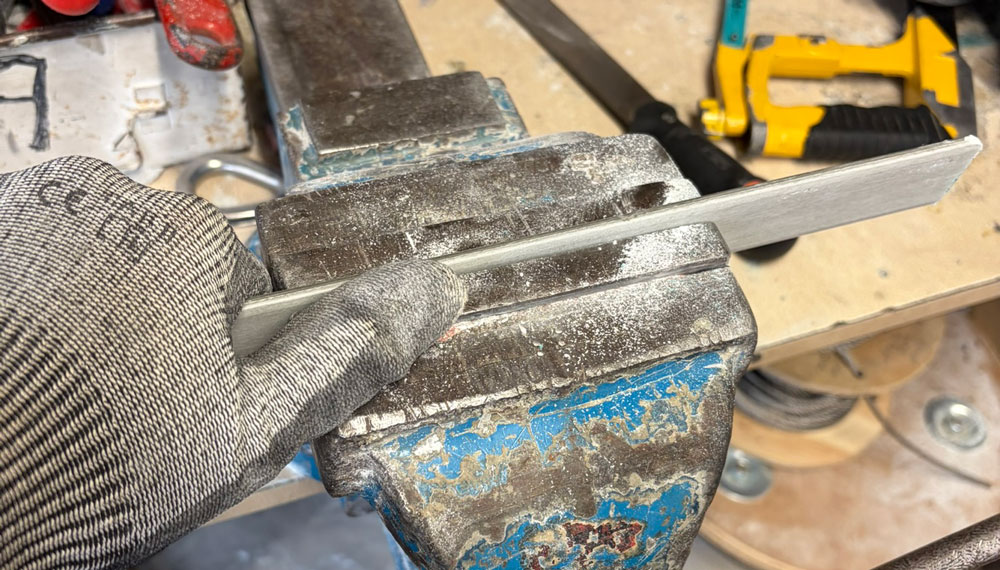
Step 2 – Secure the Batten
Place the batten securely in a vice or clamp, ensuring the section to be removed extends slightly beyond the jaws of the vice. This prevents movement during cutting and allows for a cleaner, straighter cut. Do not attempt to cut battens while holding them loosely by hand. Movement during the cut can cause rough edges or splintering.
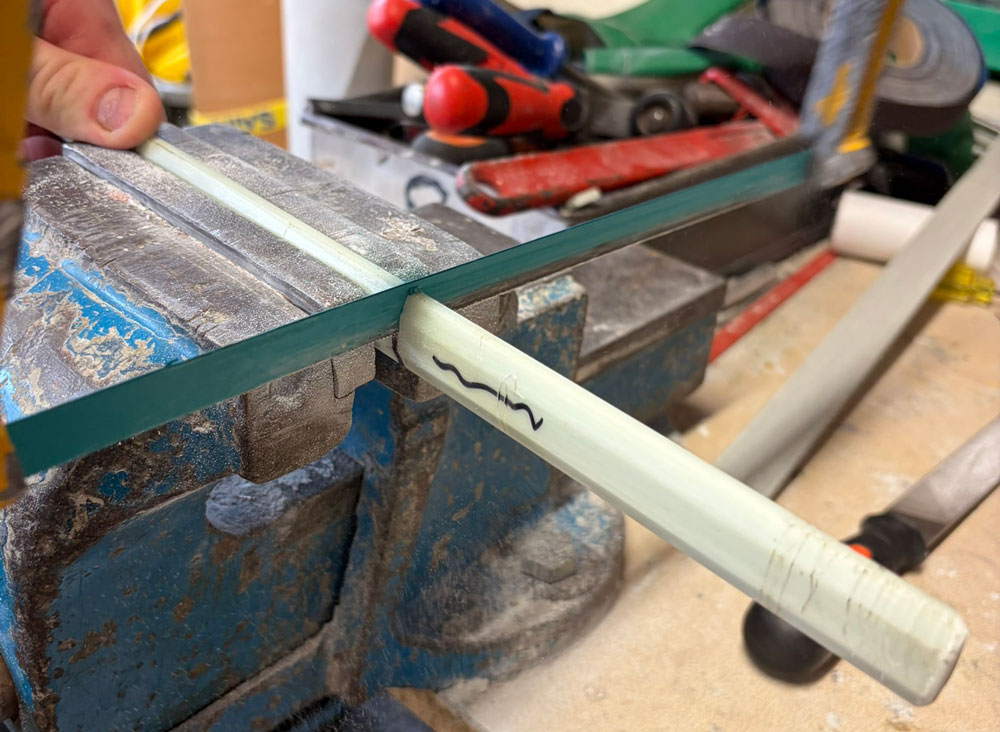
Step 3 – Cutting the Batten
Using a fine-tooth hacksaw, carefully cut through the batten along the marked line. Allow the saw to do the work rather than forcing the cut. A steady, even motion will produce the cleanest result. This method works for all three batten types:
- RBS Battens cut cleanly through the composite structure.
- Bluestreak Battens respond well to a controlled hacksaw cut.
- Contract Battens will also cut cleanly but require extra care due to easy splintering.
Step 4 – Finishing the Edges
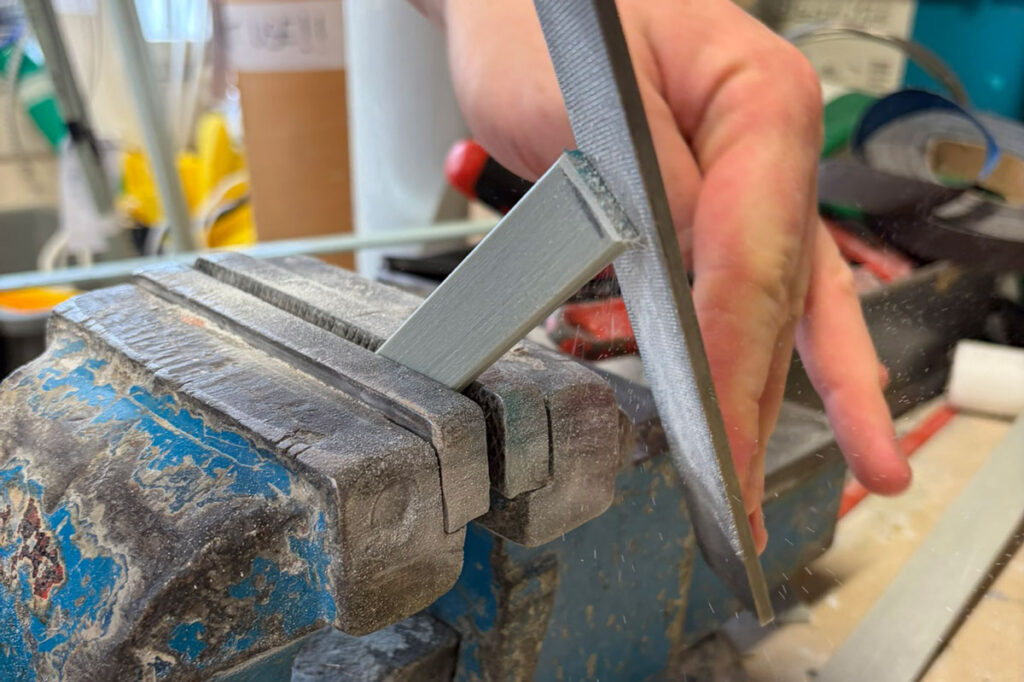
Once the cut has been made, use a file or abrasive block to smooth the end of the batten. This step is extremely important. Any sharp corners or rough edges can damage the batten pocket or make the batten difficult to insert. Lightly round off the corners and check that the end feels smooth to the touch before fitting the batten into the sail.
Important Safety Note – Contract Battens
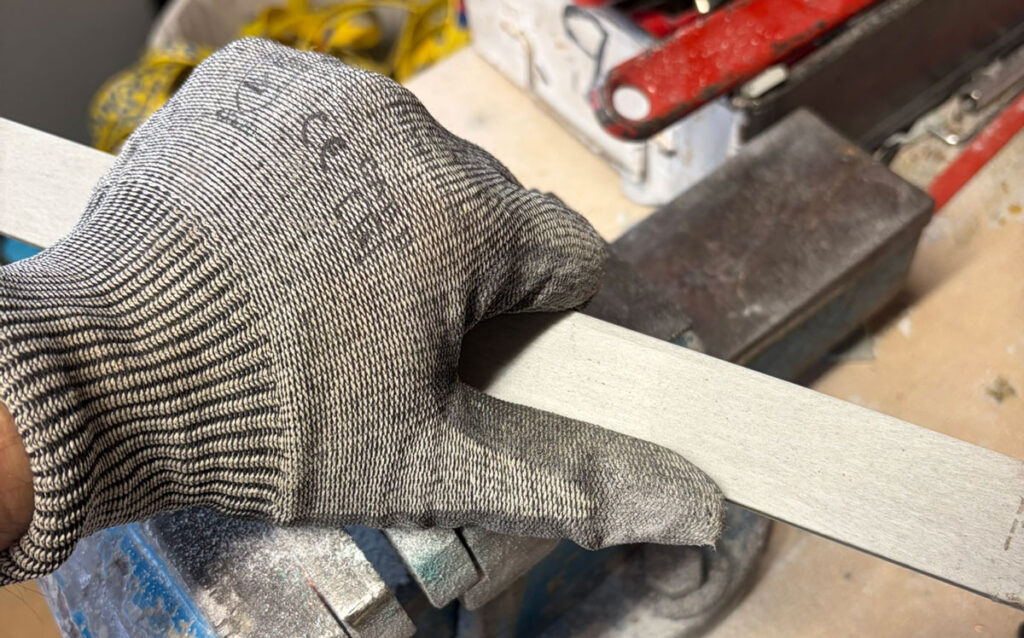
Contract battens should always be handled with gloves. The fibreglass edges can produce small splinters, particularly when cutting or filing the material. Wearing gloves will prevent injury and make handling the batten much more comfortable.
Common Mistakes to Avoid
There are a few common errors that are easily avoided with a little care. Avoid:
- Cutting battens without securing them first
- Leaving sharp edges or corners after cutting
- Removing too much material in one cut
- Handling contract battens without protective gloves
Taking a few extra minutes to cut and finish the batten properly will help protect both the sail and the batten pocket.
Conclusion
Trimming a batten is a simple task, but one that benefits from a careful and methodical approach. With the correct tools and a steady hand, battens from RBS, Bluestreak, and Contract ranges can all be shortened cleanly and safely. By measuring carefully, securing the batten before cutting, and finishing the edges properly, you can ensure the batten fits smoothly into the pocket and performs exactly as intended. If you are ever unsure about trimming a batten, the team at Sanders is always happy to offer advice.