
Some sailors measure success in results. Others measure it in miles, memories, and the boats they help preserve along the way. Barney Sandeman belongs firmly in the latter camp, though few have influenced the world of classic yachts as quietly, consistently, and thoughtfully as he has. Founder of Sandeman Yacht Company and widely regarded as one of the leading brokers of classic yachts, Barney has spent decades connecting extraordinary boats with people who truly understand them. From some of the most famous yachts ever launched to the quieter, deeply personal stories that unfold between owner and vessel, his work is driven by a rare combination of knowledge, instinct, and genuine affection for the boats themselves.
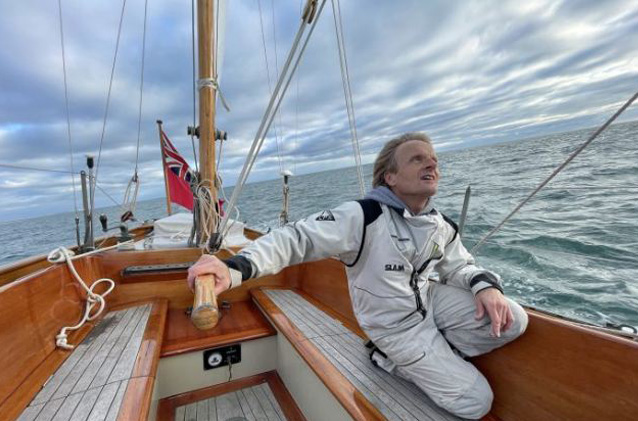
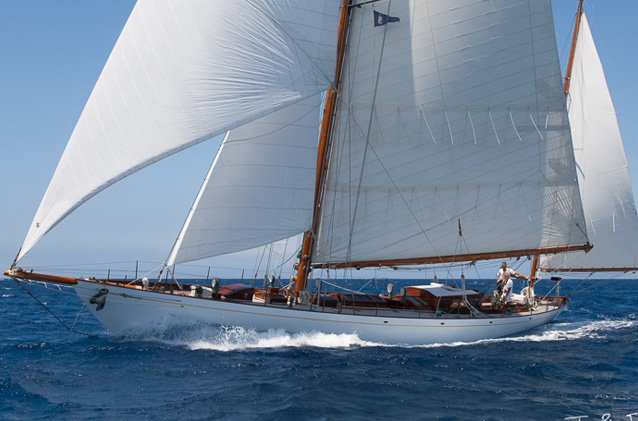
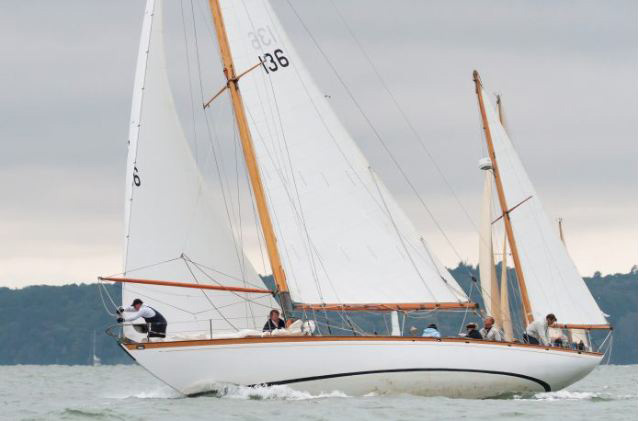
Barney’s own yacht, Laughing Gull, a 47ft S&S yawl launched in 1949 reflects that philosophy perfectly. She is not a statement of speed, but of balance, feel, and authenticity. A yacht that rewards sympathy and respect, and one that continues to ‘sing’ when sailed as her designers intended. We were proud to work with Barney on Laughing Gull’s sails, and even prouder to welcome him into our Meet the Sailors series. In this interview, Barney shares his thoughts on classic yachting, what truly matters when caring for historic boats, and why craftsmanship, trust, and restraint remain as important today as they were when yachts like Laughing Gull first took to the water.
You have spent a lifetime immersed in classic yachts, not just sailing them, but helping others find and pass on boats that often carry decades of history. What is it about the classic yachting world that continues to move you, and why do you think it still matters in a modern sailing landscape so focused on speed and efficiency?
We have been lucky to have been involved with so many important classic yachts – many of them were the pinnacle of yacht design for their period. It was perhaps a time where yacht design was 80% art and 20% science, and hence the results were often stunningly good-looking yachts. Interestingly, and in my view, there was a period where science was 80% and beauty took a back seat. I am not convinced there were many boats that will be deemed classics from that period. I believe with modern construction and fabrics; yachts have become extremely good looking again, as well as functional and fast. To sit in the saloon of a very original vintage wooden boat on a summer’s evening is magical and in the same way sailing these boats with their long keels and ability to hold course – with all those ghosts aboard and all that beauty – all pretty special!
Your path into yacht brokerage feels less like a career decision and more like a calling shaped by experience, instinct, and affection for boats. How did you find your way into this world, and at what point did you realise that working with classic yachts was what you wanted to dedicate your life to?
Somebody once said; ‘there is nothing wrong with passion’ – yes, perhaps not the best commercial decision, but having worked for larger companies selling modern yachts, if I were to remain in yacht brokerage 25 years ago; then I knew I needed to be selling yachts I loved.
Over the years you have brokered some of the most significant classic yachts afloat. Is there one boat or sale that has stayed with you more than others, and what was it about that yacht, or the people involved, that made it so memorable?
We were lucky to be asked to act for the owner in the sale of the William Fife III design LATIFA from 1936 – the vessel was owned by an Italian gentleman who had owned her for more than 40 years and had done a lot of sailing (11 Transatlantic crossings). The boat had been maintained extremely well and her owner was adamant that LATIFA would only sell to the ‘right’ person…A tough one!? We had several viewings by prospects who did not pass muster. One evening I took a call from a very West Coast USA sounding chap who said he wanted to purchase LATIFA. Immediately, I felt concerned that this candidate might not meet the owner’s high expectations of another sailor who would do her justice and look after his precious boat. I need not have worried; LATIFA has been with the new owner for 10 years now; she has cruised the Mediterranean; the US coastlines and much of the Pacific. Her maintenance regime is the best.
I have seen in a recent article Laughing Gull described as your ‘first and last’ boat. What does she give you as a sailor that no other yacht could, and how does sailing her connect you to the traditions and values you care so deeply about in classic yachting?
If I was ever lucky enough to own a classic yacht; I wanted an S&S design from between 1930 and 1950. In my view Olin Stephens did much to change yacht design with his boats from this period (DORADE and STORMY WEATHER were game changer). I wanted a vintage yacht that was actually a sailing machine. A colleague spotted LAUGHING GULL for sale with another broker and told me if I didn’t try to buy her, then I shouldn’t bother buying a classic yacht. He ended up putting his money where his mouth was and he lent me half the money!? No regrets; I have owned the boat 12 years and of course paid back my friend! In summer we cruise, and occasionally race LAUGHING GULL and she never disappoints or lets us down. For us; first base in yacht ownership is a love affair with a beautiful boat – and then everything is possible.
You chose Sanders Sails to make the sails for Laughing Gull, where feel, balance, and authenticity matter as much as raw performance. What were you looking for in a sailmaker, and what do you believe we do particularly well when working with classic yachts?
In my view Sanders have always understood efficient sail shapes for traditional hull forms and having worked with Pete previously with very fast XOD sails – it was an obvious choice. We have many upwind and downwind sails for LAUGHING GULL made by Sanders and each one has been beautifully made to her original sail plan and panel layout – hard.