
Introduction: The Invisible Enemy
Ultraviolet (UV) radiation is one of the most destructive forces acting on your sails and one of the easiest to overlook. Unlike chafe or impact damage, UV works quietly and continuously, breaking down fibres and stitching every time a sail is left exposed to sunlight. The effects are rarely immediate. A sail may look perfectly serviceable while its strength is being steadily compromised, particularly along exposed edges such as the leech, foot, luff tape, and stitching. Boats that live on moorings or remain rigged year-round are especially vulnerable, but even seasonal use can cause significant degradation over time. Protecting your sails from UV exposure is therefore not optional maintenance, but a fundamental part of extending sail life and preserving performance.
What Is UV and Why It Matters to Sailcloth
UV radiation is part of the sun’s energy spectrum and is invisible to the human eye. When it strikes sailcloth, it breaks down the molecular structure of fibres and thread, gradually reducing strength, flexibility, and durability.
This damage:
- weakens fibres until tearing becomes more likely
- attacks stitching first, often before cloth failure is visible
- accelerates ageing even when the sail is not being used
Climate and latitude matter. A boat kept in northern Europe experiences far less annual UV exposure than one based in the Mediterranean, Caribbean, or Southern Hemisphere. The longer sails are left hoisted and uncovered, the greater the cumulative damage.
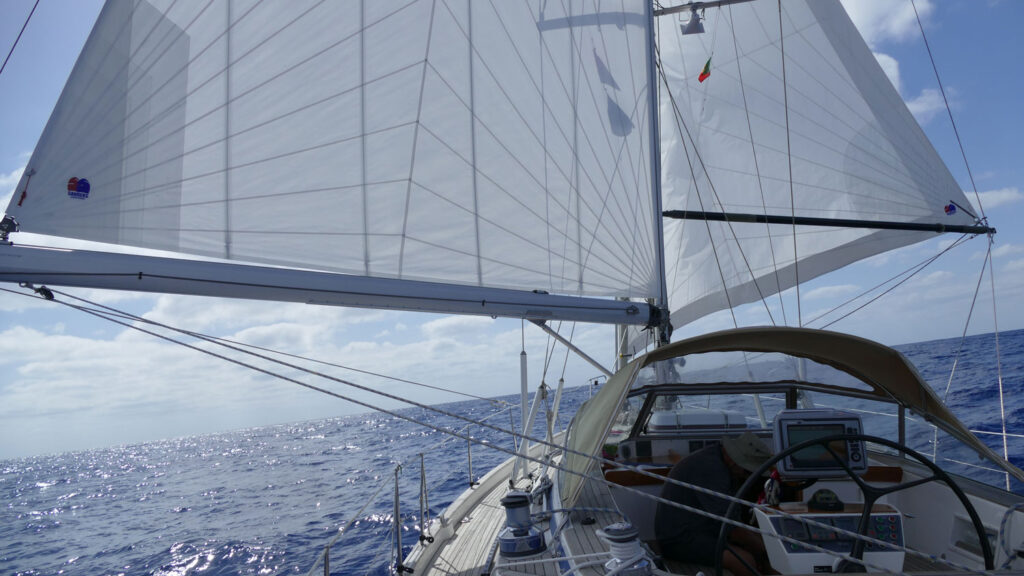
UV Protection on Furling Sails: The Sanders Approach
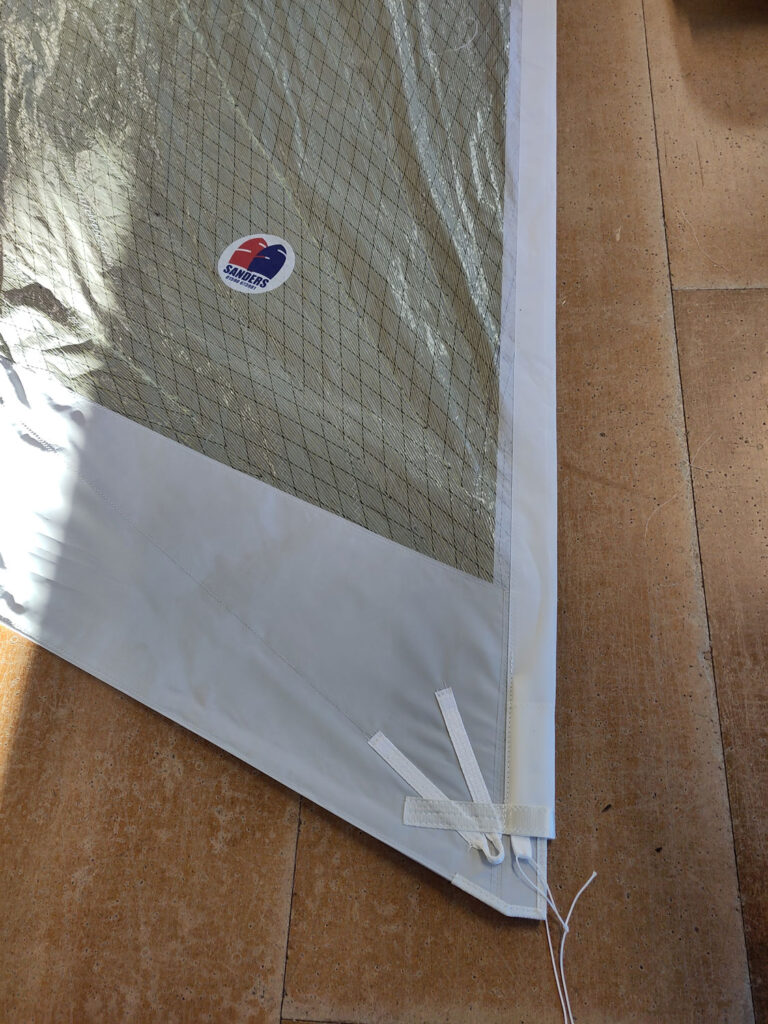
On furling sails, UV protection is applied as a sacrificial layer; designed to absorb sun exposure so the sail itself does not have to. At Sanders Sails, we offer three UV protection options, each suited to different boats, climates and sailing styles.
Polyester Canvas UV Protection
A lightweight, coated polyester canvas is applied along the leech and foot of furling sails.
Best suited to:
- Smaller boats
- UK and northern European cruising
- Owners prioritising minimal impact on sail shape
Why choose it:
Polyester UV is lighter than acrylic and integrates neatly into the sail, helping preserve the designed flying shape while offering effective protection in moderate UV environments.
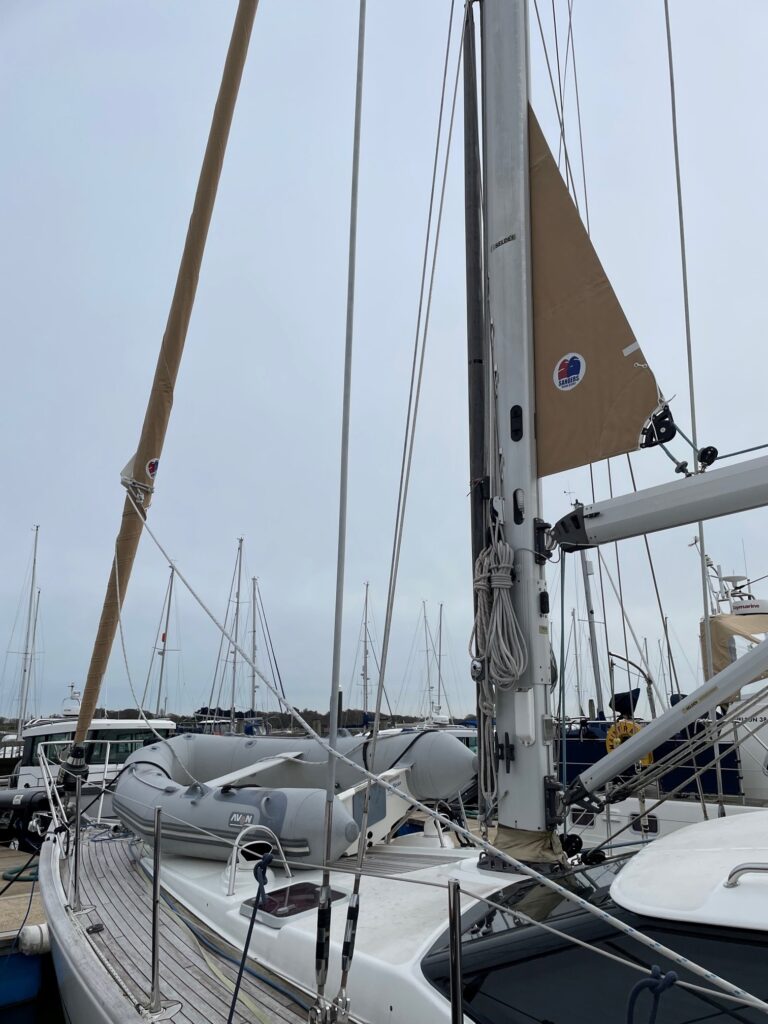
Acrylic Canvas UV Protection
A heavier-duty acrylic canvas with superior long-term UV resistance.
Best suited to:
- Boats based in high-UV regions
- Mediterranean, tropical, and southern hemisphere sailing
- Yachts left rigged year-round
Why choose it:
Acrylic lasts longer under intense sunlight and provides robust protection, though its additional weight means it is less commonly used on performance-oriented sails.
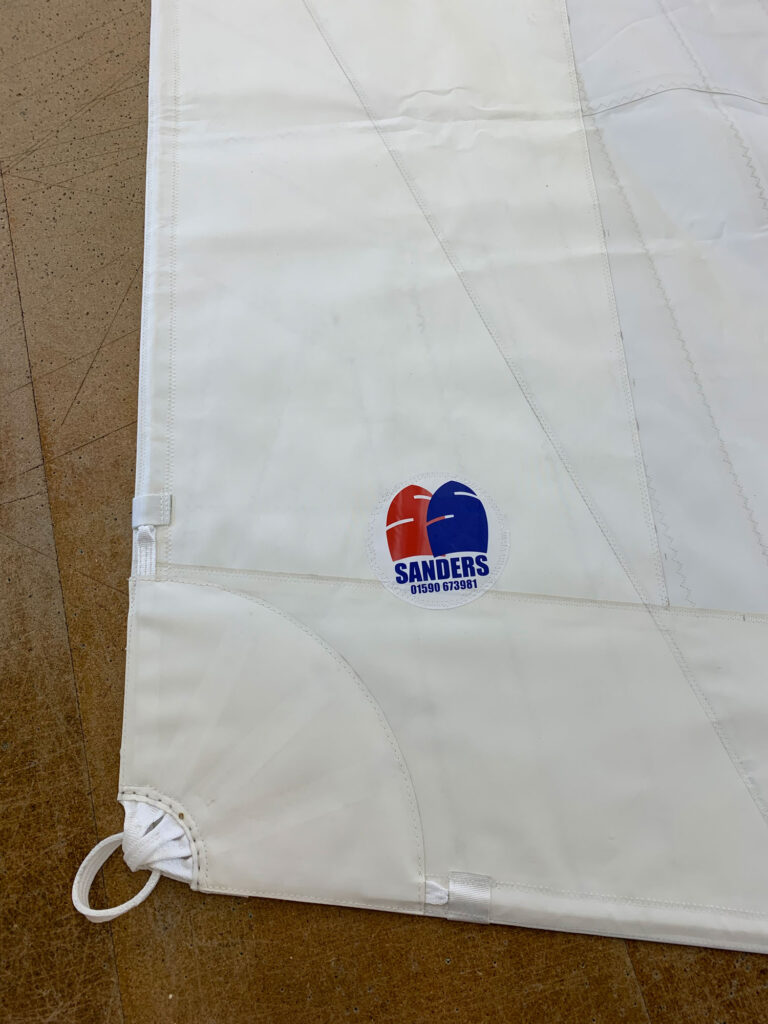
Painted UV Protection
A liquid-applied UV coating bonded directly to the sailcloth.
Best suited to:
- Racing sails
- Code sails and lightweight furling sails
- Owners seeking protection without added bulk
Why choose it:
Painted UV adds minimal weight and avoids disrupting sail shape. At Sanders, we use Marine Shield coatings supplied via Ocean Art. While highly effective, painted UV is not intended for prolonged exposure and should be combined with a genoa sleeve or cover when sails are left hoisted for extended periods.
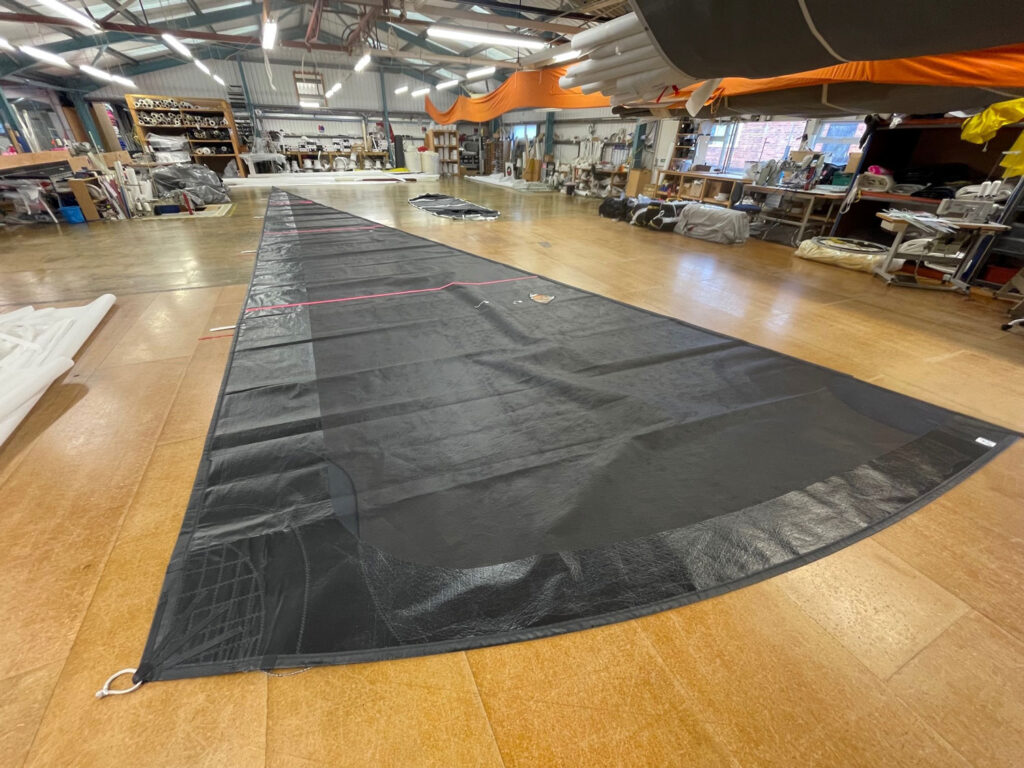
UV Protection for Code Sails and Downwind Furling Sails
Lightweight furling sails such as Code sails and downwind furling sails require special consideration. Traditional canvas UV covers can distort shape and compromise performance.
For these sails, we typically specify:
- Painted UV coatings, or
- WeatherMax Light fabric – an exceptionally light protective material that shields exposed edges without affecting sail behaviour
This approach balances protection with performance and is particularly effective for modern structured-luff and cableless sails.
Choosing the Right UV Protection
The correct UV solution depends on three key factors:
- Where you sail (latitude and climate)
- How long sails are left exposed
- How performance-sensitive the sail is
A lightly used furling genoa in the UK will have very different requirements to a Med-based cruiser or a racing Code sail. The aim is always the same: protect the sail without compromising how it works. If in doubt, this is where speaking to your sailmaker early pays dividends.
A Final Word on Prevention
No UV protection lasts forever. Covers and coatings are sacrificial by design and will, over time, need to be replaced. Regular inspection is essential, particularly of stitching, leech edges, and any areas that remain exposed when the sail is furled. At Sanders Sails, we take a considered approach to how UV protection is applied. Our UV covers are sewn on using zigzag stitching only, allowing them to be removed and replaced efficiently when the time comes. UV covers that are applied using dense triple stitching or permanent self-adhesive glue can significantly increase future replacement costs.
Visit our repairs page for more details.
We believe good sail design should account not only for performance and protection today, but also for practical, cost-effective maintenance in the years ahead. For boats left unattended for extended periods, additional protection, such as a genoa sleeve or removing sails entirely remains the most effective defence against UV damage. Our team is always happy to advise on the most appropriate UV protection for your boat and sailing plans, helping you strike the right balance between longevity, performance, and practicality.