
There are offshore races and then there are the races that define a lifetime. When we spoke with Istvan Kopar, it was impossible not to feel the weight of what he had achieved. Competing in the 2018 edition of the Golden Globe Race, Istvan completed one of the most demanding challenges in sailing: a solo, non-stop circumnavigation using traditional navigation methods where he finished an extraordinary 4th overall. At 65 years of age, he demonstrated that endurance offshore is not simply about youth or physical strength, but experience, resilience and mental fortitude. The Golden Globe is a race stripped back to the essentials: no modern routing, no high-tech assistance, just seamanship, preparation and the ability to endure months alone at sea. To finish; let alone finish near the front, is a monumental achievement. We were honoured to supply sails for his 2018 campaign, and it remains one of the most remarkable projects we have been involved in. As the next edition of this iconic race approaches in 2026; with Sanders supporting new competitors preparing to take on the challenge – it felt the perfect moment to revisit Istvan’s story. His interview is not just about results. It is about determination, belief and what it truly means to commit to a dream that spans oceans. Few sailors embody the spirit of offshore adventure quite like Istvan Kopar and we are proud to share his story.
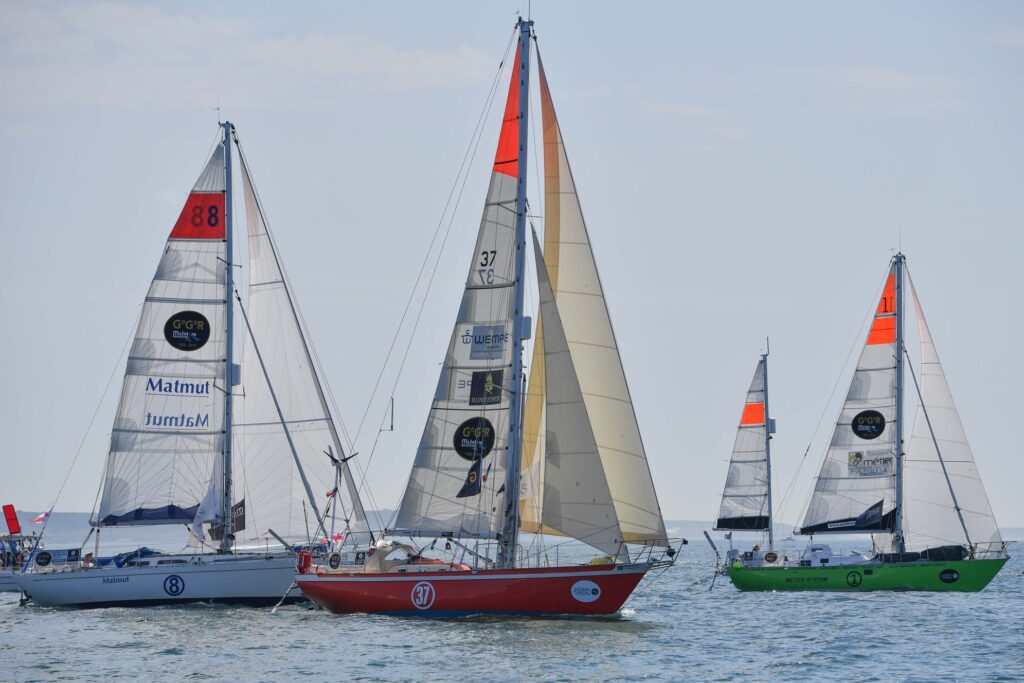
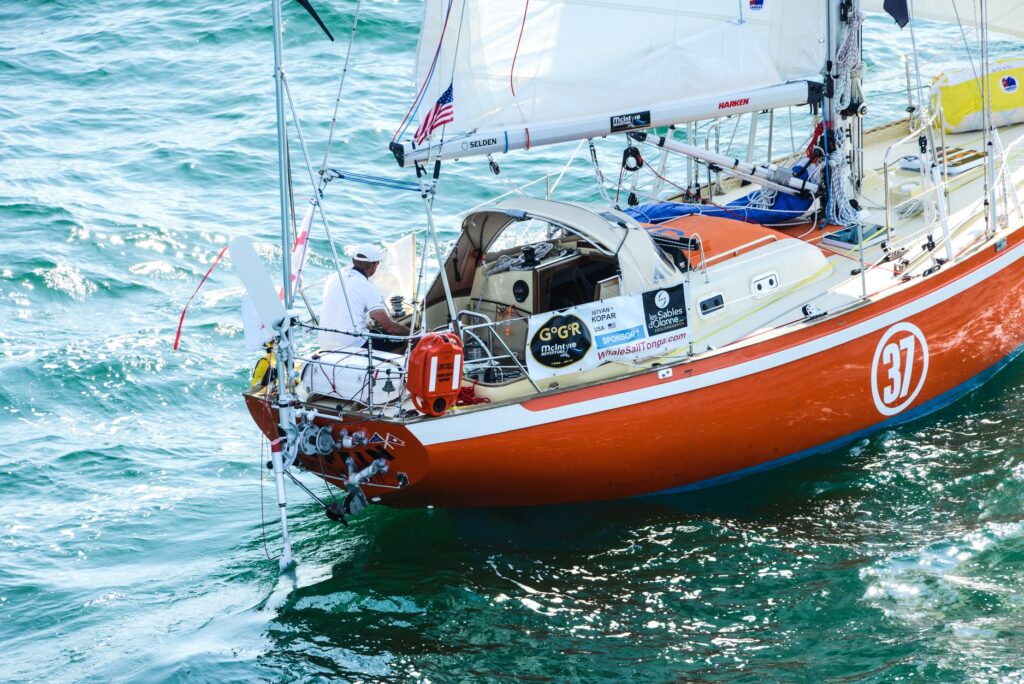
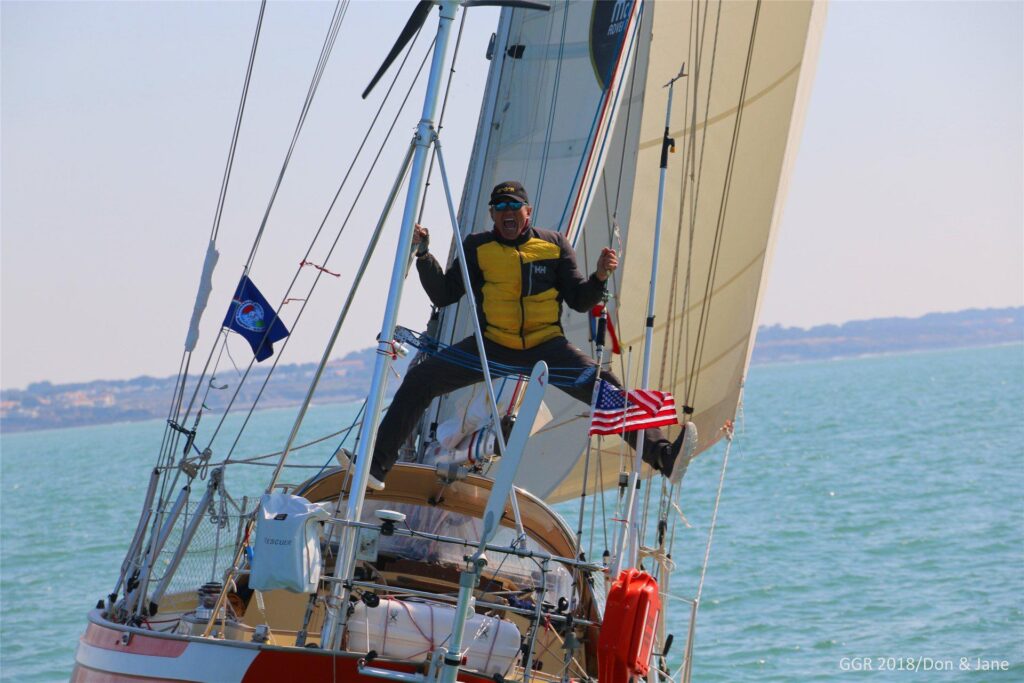
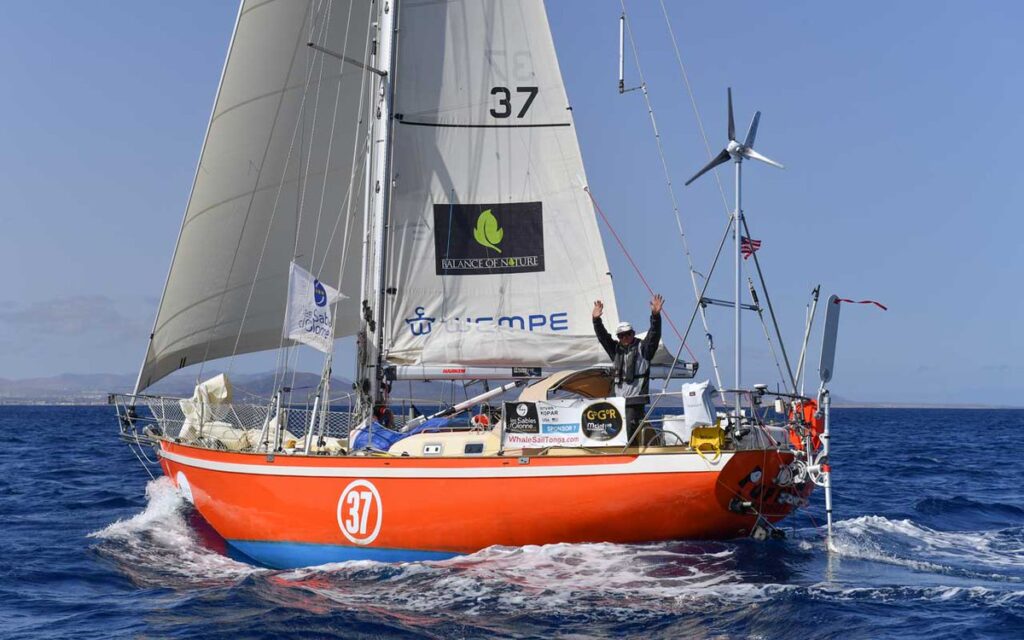
The Golden Globe Race is as much a mental challenge as a physical one. When you set out to sail solo around the world, unsupported and without modern electronics, what did you think would be the hardest part and what actually turned out to be the greatest challenge once you were out there?
The hardest part for me was the lack of sufficient financial support during the preparation period. I was one of the first provisional entrants in the 50th Anniversary Golden Globe Race and began the refit in 2015, three years before the start. I had to strip the boat completely – even removing the gelcoat from the hull and rebuild her from the ground up. I invested more than 2,000 hours of manual labour; but new rigging, equipment, and materials still required funding. We ultimately sold our home to make it to the starting line. Because of budget limitations, I had no opportunity to properly test the boat under sail before the race. Once at sea, the greatest challenge became keeping her moving and pushing forward despite equipment failures that were often the consequence of limited resources. The race turned into a constant exercise in perseverance and problem-solving.
You entrusted your entire race, and ultimately your safety, to your sails. What led you to choose Sanders Sails for such an extreme and unforgiving campaign, and how important was the relationship with the sailmaker; not just the sails themselves, but during your preparation and the race?
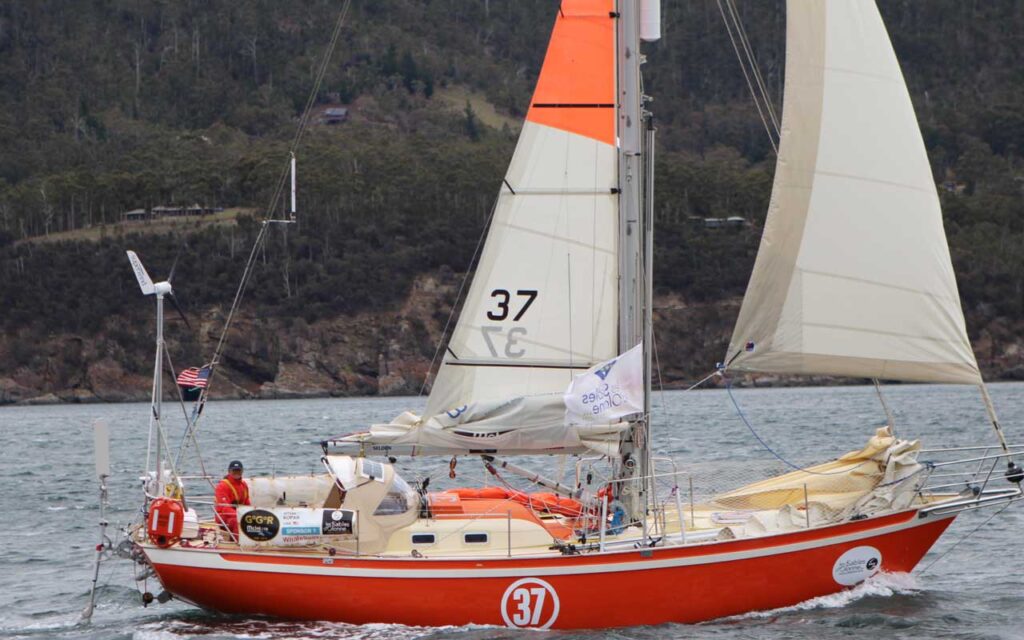
My boat, Puffin, was a Tradewind 35 built in Poole, UK – a relatively unknown brand in the United States. It felt logical to work with a sailmaker who understood the design and heritage of the boat. Peter Sanders was highly responsive from the very beginning. His professional knowledge, communication, and integrity became a vital part of Puffin’s successful finish. I sailed the boat to Hamble with her original, aging sails. Peter delivered and fitted the new sails promptly upon my arrival. They performed superbly throughout the race, and at the finish their condition surprised many – they remained remarkably intact and well preserved after circumnavigating the globe.
Puffin is a very particular boat, and not one most sailors would choose lightly for a solo circumnavigation. What drew you to this style of yacht, and how did the boat’s character, strengths, and limitations shape the way you sailed the race day-to-day?
The Tradewind 35 was among the recommended and accepted boats for the Golden Globe Race, likely influenced by race founder Don McIntyre’s appreciation for traditional, seaworthy designs. It proved to be an excellent recommendation. The boat’s seaworthiness is exceptional. While she may be nearly a knot slower than a Rustler 36, she rewards patience and steady seamanship. She may not win races on pure speed, but she will carry her skipper safely to the destination – provided the skipper remains committed to the boat. Her character shaped my daily sailing style: conservative, balanced, and focused on preservation rather than aggressive performance.
Preparation for a race like this takes years, not months. Looking back, what aspects of preparation proved absolutely critical once you were at sea and were there any areas where experience taught you lessons that no amount of planning could have revealed?
Preparation took three years because I essentially rebuilt Puffin. Flotation and hull integrity sit at the top of my safety philosophy. I removed all through-hull fittings and discovered inconsistencies in the hull lamination. I ultimately removed the gelcoat and re-laminated sections of the hull to ensure structural integrity. The list of modifications continued from there. By the time she reached the start line, Puffin was, in my view, one of the most seaworthy boats in the fleet. That preparation paid off. However, I lacked time and funding to properly sea-trial her or fully familiarize myself with every system. The biggest lesson I learned is that the pressure of competition must never compromise safety. No result is worth risking the integrity of the boat or the life of the sailor.
Completing a solo circumnavigation changes sailors profoundly. What did the Golden Globe Race teach you about seamanship, self-reliance, and decision-making under pressure and how has that experience influenced the way you approach sailing, and life, since returning home?
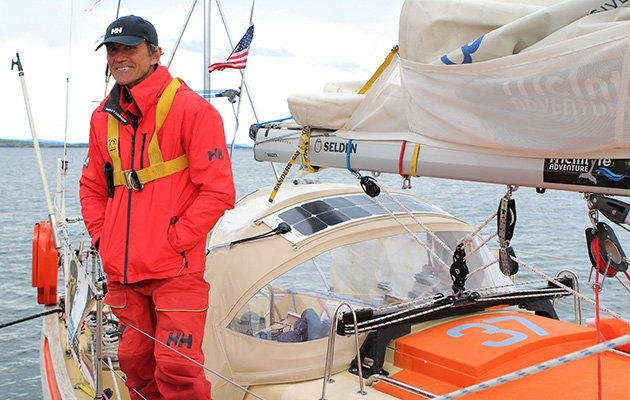
The Golden Globe Race was my third circumnavigation. I completed my first solo circumnavigation in 1990–91, with one stop in Fremantle, sailing a home-built 31-foot sloop around the five southernmost capes. That voyage was true solo sailing – celestial navigation, no radar, no GPS, no AIS, no autopilot, no water maker, and not even an EPIRB. That experience profoundly changed my life. My second circumnavigation was as skipper of a Tripp 55 in the Hong Kong Challenge Around the World Yacht Race (1996–97), with a full crew aboard. Compared to those experiences, the Golden Globe Race was challenging in different ways – particularly from an age perspective, as I was 65 at the start, and due to the constant technical breakdowns. It reinforced that seamanship is not about speed or technology, but about judgment, resilience, and the ability to remain calm under pressure. Those lessons extend far beyond sailing and continue to shape how I approach both new voyages and life itself.