
Managing Power as Conditions Change
Reefing is not about slowing the boat down; it is about keeping control, balance, and confidence as conditions change. A well-executed reef allows the yacht to stay upright, efficient, and comfortable, while protecting both the rig and the sail itself. Whether you are cruising locally or pushing offshore, understanding how your reefs work and how to use them properly, will dramatically increase the number of enjoyable days you spend on the water. At Sanders, we design reefs as working sail shapes, not emergency compromises. Used early and set correctly, a reefed mainsail should still feel stable, powerful, and predictable.
When to Reef: Timing Matters
The most common reefing mistake we see is waiting too long. Reefing is far easier and far kinder to the sail when it is done before the boat is overpowered. If you are asking whether it is time to reef, it usually is. It is always easier to shake a reef out than to put one in while the sail is flogging and the boat is on its side.
How to Reef Properly (Slab Reefing)
This is where your authority really comes through: A clean reef starts at the luff. Always unload the sail first by easing the kicker and mainsheet before lowering the halyard to the reef point. Once the tack is secured, re-tension the halyard fully to establish proper luff tension before loading the clew. Only once the luff is set should the reefing line at the clew be tensioned. This ensures the sail is pulled back and down evenly, reducing stress on slides, battens, and cloth.
How Many Reefs and Where They Belong
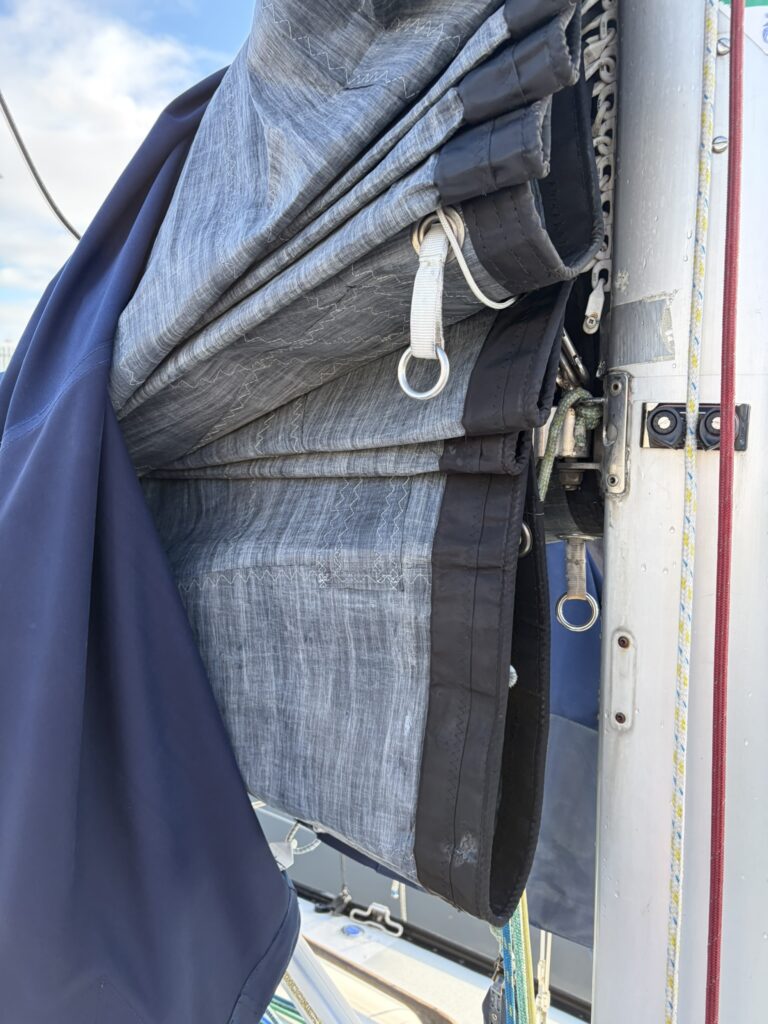
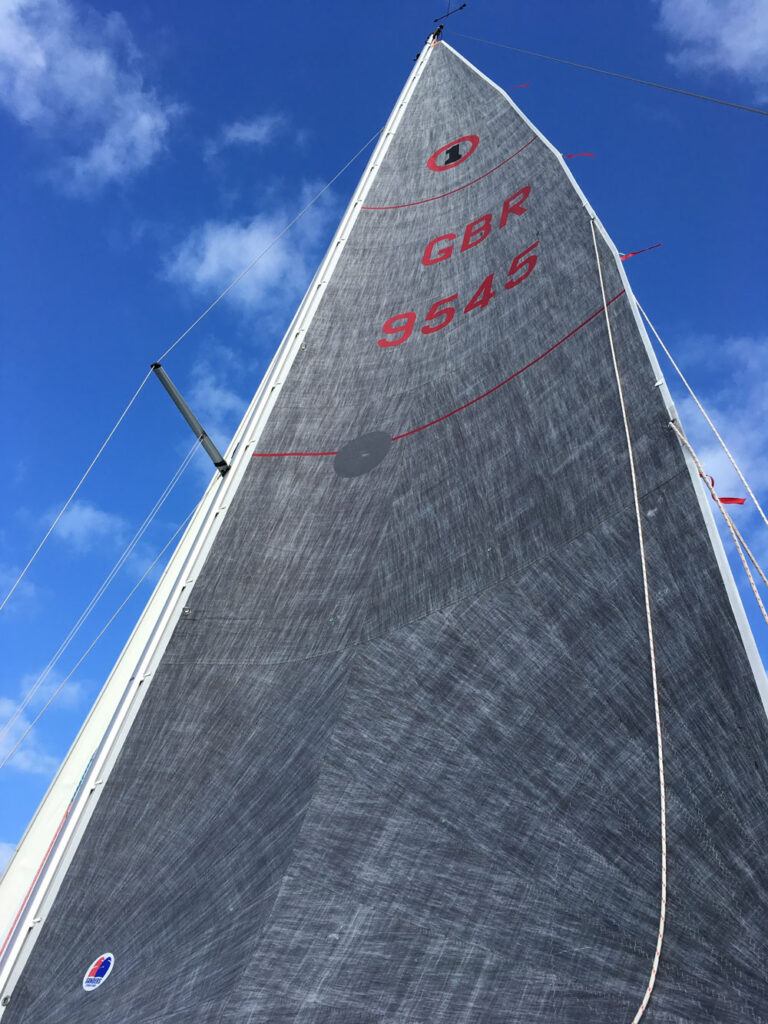
Most cruising mainsails are fitted with two reefs, typically spaced at around 12% intervals of the luff length. The first reef removes more sail area than many expect, as the sail is widest at the foot. For offshore or heavy-weather sailing, a third reef; often referred to as a deep reef can be invaluable. Positioned higher up the luff, it dramatically lowers the centre of effort and transforms control in strong winds. In many cases, two slightly deeper reefs are more practical than three closely spaced ones. The goal is simplicity and reliability when conditions deteriorate, not complexity.
Third Reef or Trysail?
Racing offshore sailors often face the choice between a deep third reef and a dedicated trysail. A deep reef can reduce the mainsail to well under half its original area, providing a balanced and manageable sail plan without changing sails on deck. A trysail remains the ultimate heavy-weather solution, but it requires dedicated hardware and preparation. Without a separate track, its use is often impractical when it is most needed.
Single-Line vs Double-Line Reefing
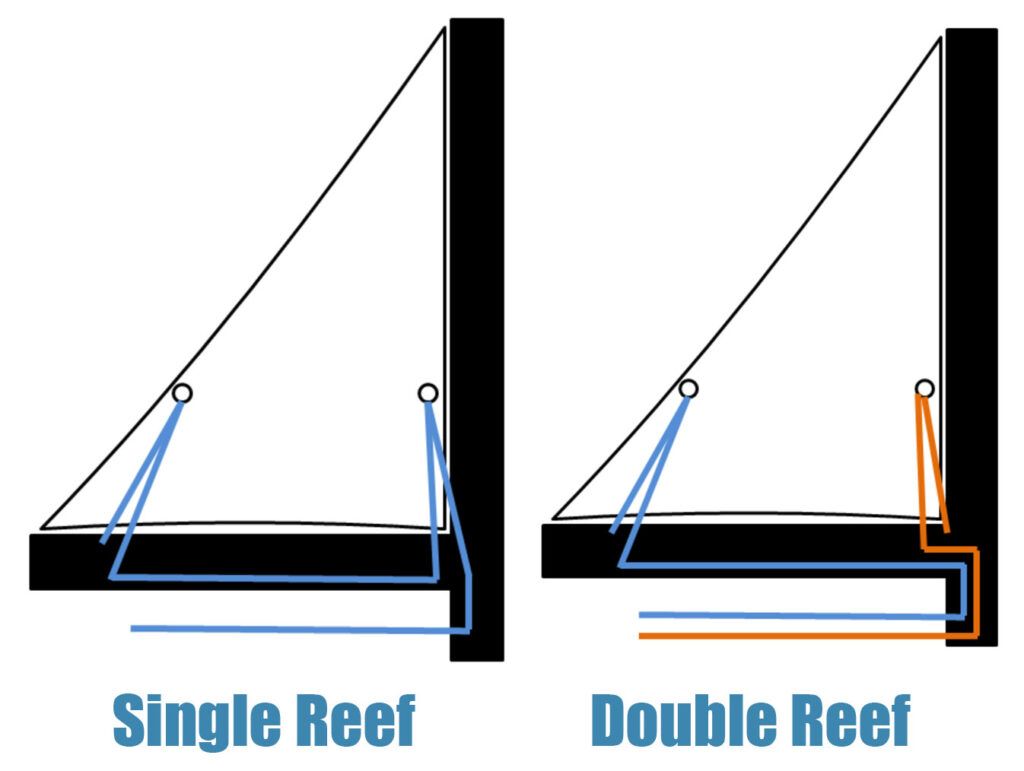
Single-line reefing systems offer simplicity and convenience, particularly when led back to the cockpit. However, they introduce friction and limit independent control of luff and foot tension. Double-line systems reduce friction and allow finer sail shape control, but add complexity and more rope management in the cockpit. Neither system is universally ‘better’. The best system is the one that suits your boat, your crew, and the conditions you sail in most often.
In-Mast and In-Boom Furling Reefs
Furling systems offer almost infinite reefing options, but alignment and tension are critical. The sail must roll smoothly and evenly, with correct boom angles and controlled loads. Some In-Boom Mainsails will have dedicated reefing positions and it is important to know where they are as it is not always inherently obvious. Poor technique; rather than the system itself is responsible for most furling issues we see in the loft. We always recommend practising the furling of your sails in a controlled environment

Closing paragraph
Used correctly, reefs extend the working range of your mainsail, protect your rig, and increase safety and enjoyment afloat. If you are unsure whether your reef setup is right for your boat or sailing plans, speak to your sailmaker. A small design decision made early can make a big difference when the wind builds. At Sanders Sails, we are always happy to advise on reef placement, hardware compatibility, and sail design, ensuring your reefs work when you need them most.