
A Practical Guide to Wovens, Laminates and SFM
Choosing the right sailcloth can feel like navigating a maze of unfamiliar terms and materials. Polyester, carbon, aramid, Ultra PE, laminates, woven cloths – the list can quickly become overwhelming. At Sanders, we aim to simplify this decision by grouping sail materials into three core construction types: Wovens, Laminates, and Sanders Filmless Membrane (SFM). Each construction method offers different advantages in terms of durability, shape holding, weight, and long-term performance. Within these constructions, we then select specific fibres to achieve the right balance for the type of sailing you do. Understanding how these cloths and fibres work together will help you choose the most appropriate sail for your boat, your sailing style, and your expectations for longevity.
The Three Sailcloth Constructions
Woven Sailcloth – Durable and Proven
Woven sailcloth is the most traditional and widely recognised sail material. It is created by weaving fibres together in two directions; the warp and fill; to form a stable fabric. The most common fibre used in woven sails is polyester, often referred to historically as Dacron. The strength of woven sailcloth comes from the yarns themselves. Because of this, woven sails are known for their exceptional durability and long service life, particularly in cruising applications where sails are frequently folded, furled and exposed to harsh conditions. While woven fabrics are slightly heavier and will stretch more under load compared with more advanced constructions, they remain an excellent choice where reliability and longevity are the priority. For many cruising sailors, woven sails offer the perfect balance of cost, durability, and ease of maintenance.
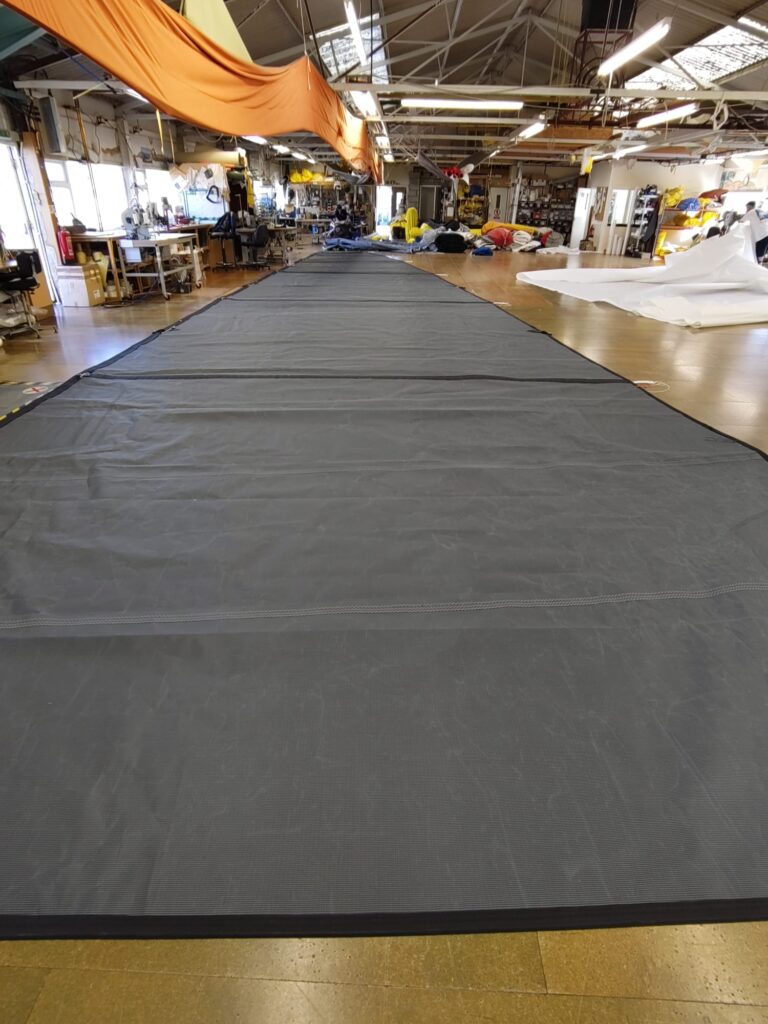
Laminated Sailcloth – Performance and Shape Stability
Laminated sailcloth takes a different approach to construction. Instead of weaving fibres together, laminates use layers of film combined with reinforcing fibres bonded together to create a composite structure. This construction allows sailmakers to place stronger, lower-stretch fibres within the laminate structure, significantly improving the sail’s ability to hold its designed shape under load. Because laminates rely on films and fibre reinforcements rather than woven yarn structure alone, they can achieve a much better strength-to-weight ratio than traditional woven fabrics. For sailors looking for improved performance, lighter sails, and better long-term shape retention, laminated sailcloth offers clear advantages. Laminates are commonly used in both performance cruising and racing sails, depending on the fibre combination chosen.
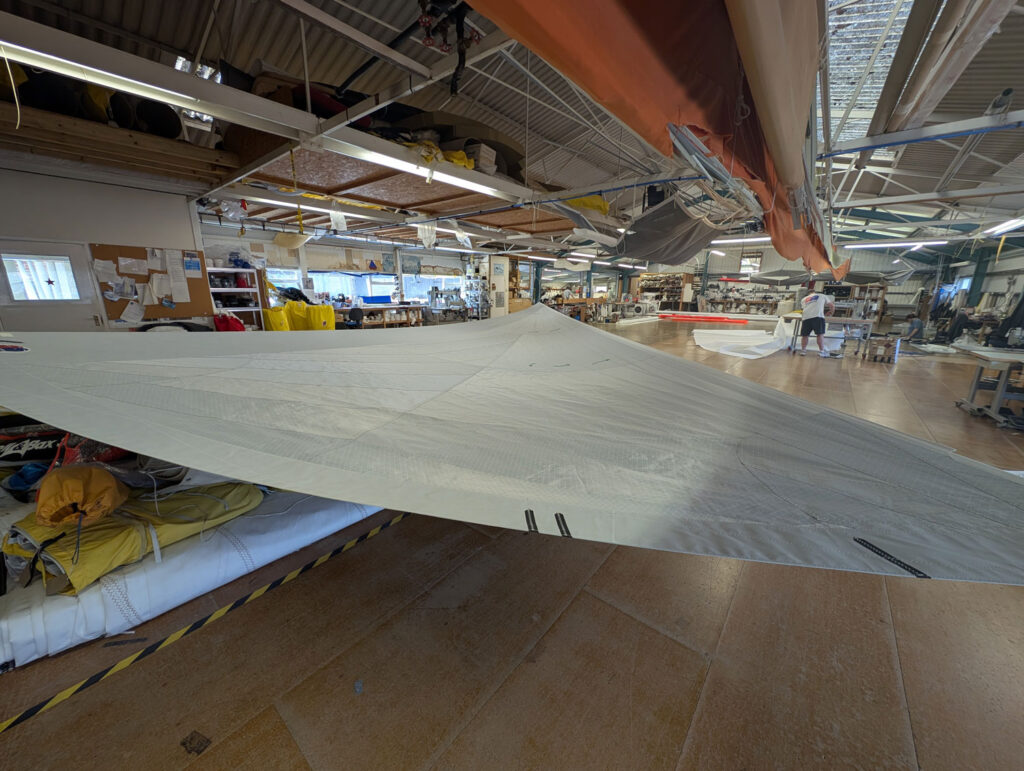
Sanders Filmless Membrane (SFM) – Precision Performance
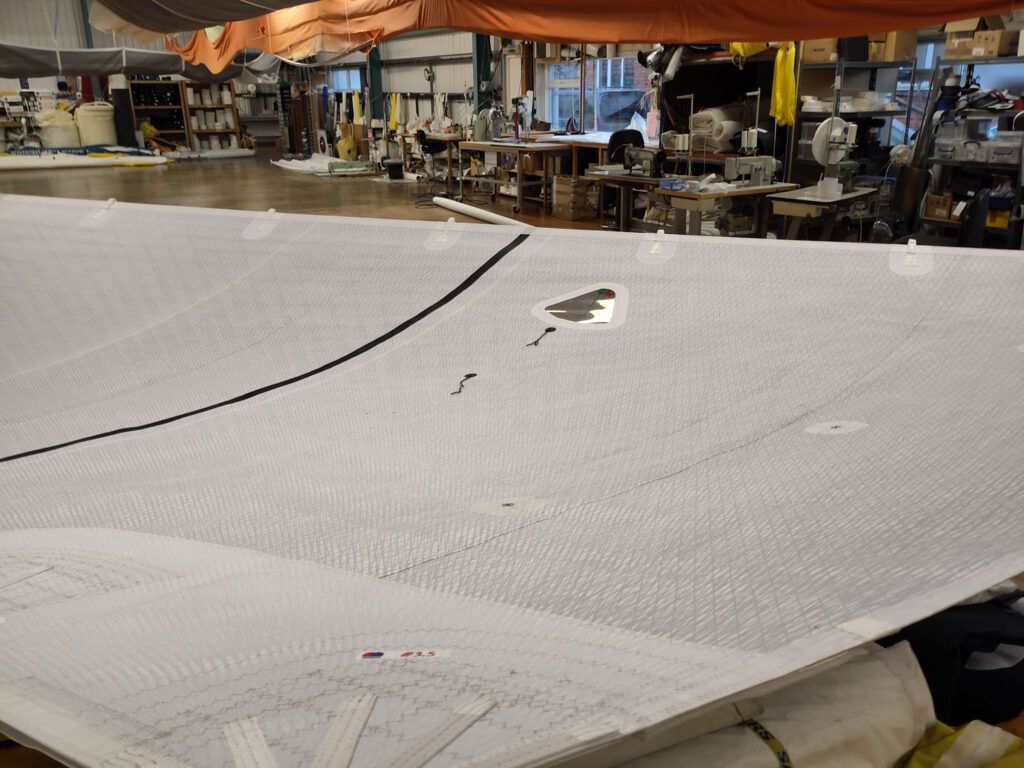
Sanders Filmless Membrane (SFM) represents a modern evolution in sail construction. Rather than relying on film layers or woven fabric structures, SFM sails are built by laying structural fibres precisely along the load paths of the sail. By aligning fibres exactly where the loads occur, the sail structure becomes extremely efficient. The result is a sail that is both lightweight and exceptionally stable in shape, while avoiding the brittleness sometimes associated with traditional film laminates. Because SFM sails are engineered directly around the loads of a specific sail design, they allow for a very high level of control over stretch resistance, durability, and overall performance. This construction is particularly well suited to sailors who want the highest level of shape stability while maintaining good longevity in demanding conditions.
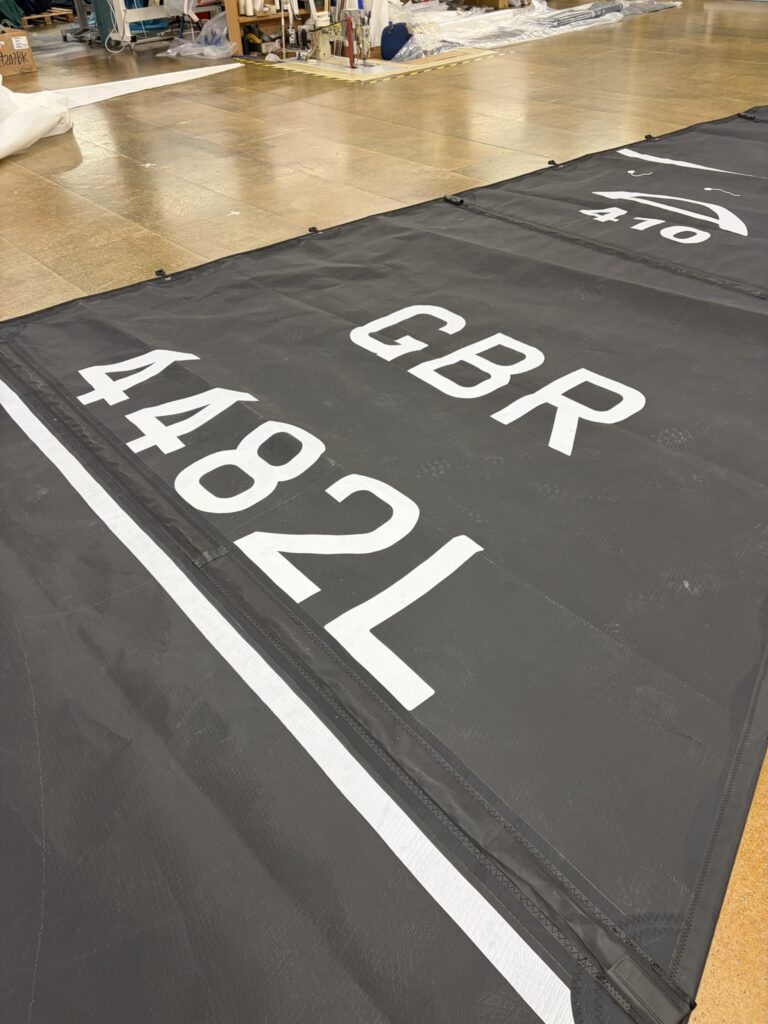
Understanding the Fibres Inside the Sail
While sailcloth construction is important, the fibres used within that construction ultimately determine how a sail behaves. Each fibre offers a different balance between stretch resistance, durability, weight, and cost. These fibres can be used across woven cloths, laminates, and membrane sails, depending on the desired characteristics.
Polyester – Durable and Reliable
Polyester remains the most widely used sail fibre in the world. It offers excellent durability, good UV resistance, and reliable performance at a relatively modest cost. Because polyester fibres have moderate stretch compared with high-performance fibres, they are most used in woven cruising sails and cruising laminates where durability is a key requirement. For many sailors, polyester remains the benchmark fibre for dependable long-term use.
Nylon – Designed for Downwind Sails
Nylon is most used in spinnakers and asymmetric sails. It is lightweight, strong for its weight, and able to stretch without damage. This elasticity is beneficial for downwind sails, allowing the sail to absorb gusts and maintain smooth airflow without collapsing. Because of this combination of strength and flexibility, nylon has long been the preferred fibre for sails designed to fly when sailing downwind.
Aramid – High Performance Racing Fibre
Aramid fibres; often recognised through well-known variants such as Kevlar or Twaron, are prized for their very low stretch and high strength. These properties make aramid a popular choice for racing sails and performance laminates, where maintaining precise sail shape is critical. While aramid fibres offer outstanding performance, they are more sensitive to flex and UV exposure than polyester, so they are typically used in applications where performance gains outweigh long-term durability considerations.
Ultra PE – Strength and Longevity
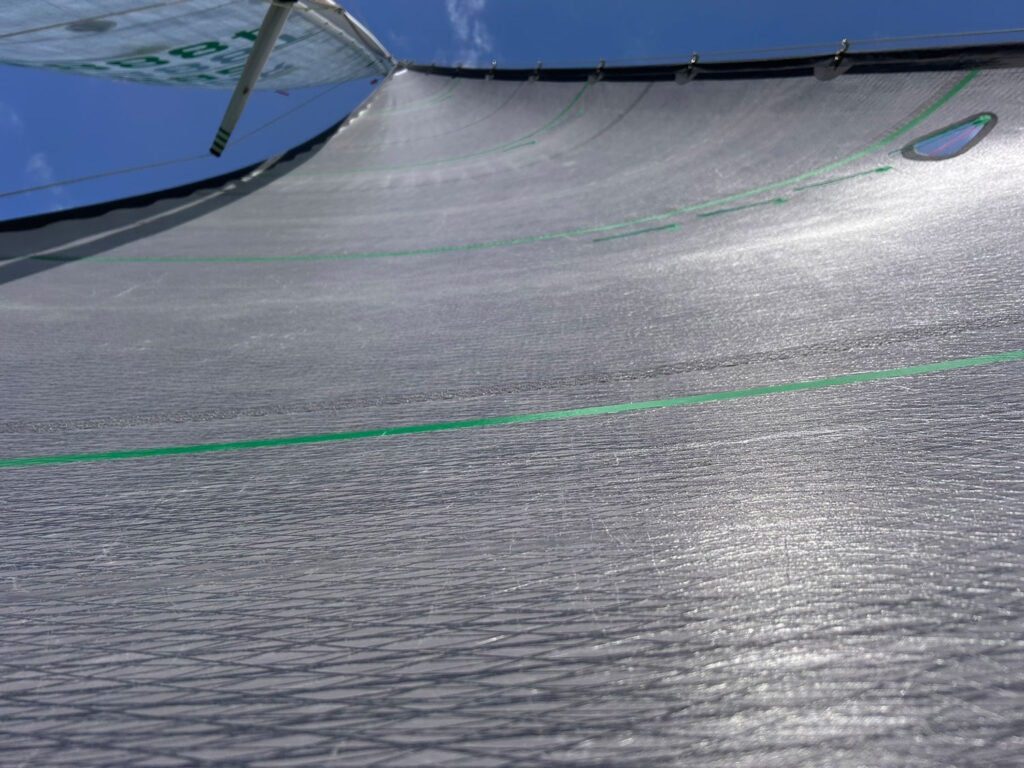
Ultra-high molecular weight polyethylene fibres (often known by brand names such as Dyneema or Spectra) combine very high strength, low stretch, and excellent resistance to UV damage. These fibres are particularly well suited to large cruising sails and high-load applications, where durability and strength are essential. Ultra PE fibres are often chosen when sailors want improved performance over polyester while maintaining strong long-term durability.
Liquid Crystal Polymer (LCP) – Strength with Flex Stability
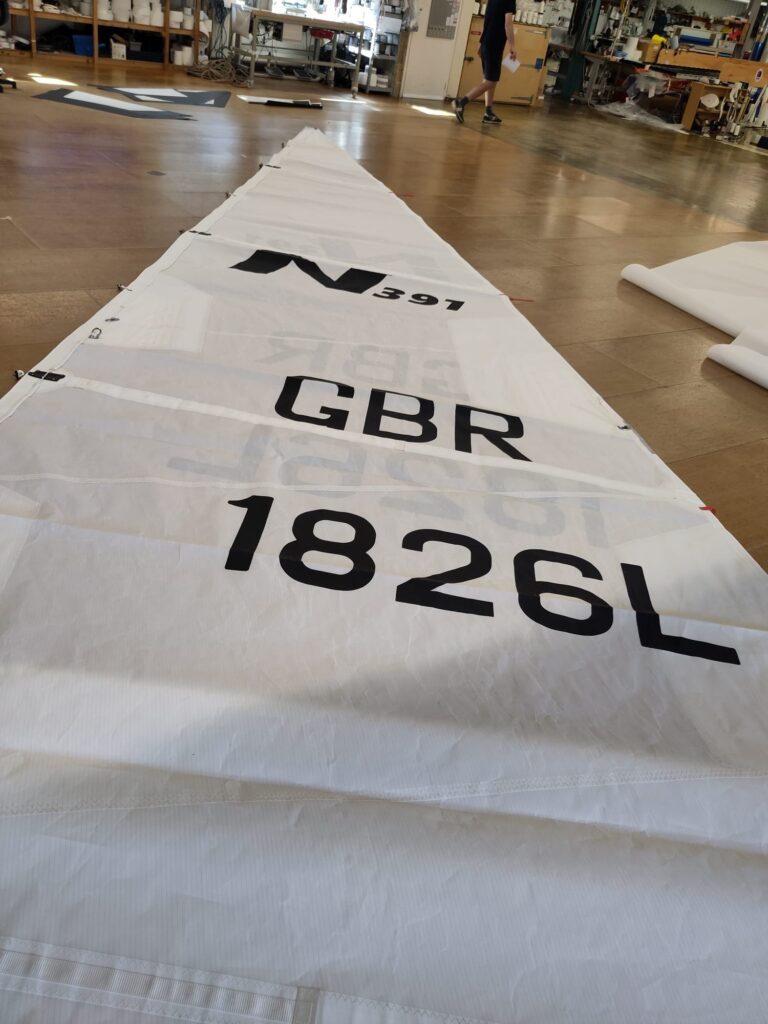
Liquid Crystal Polymer fibres, most recognised under the name Vectran, offer a useful balance between low stretch and good flex resistance. This makes them well suited to sails that require improved shape stability while still maintaining durability through repeated handling and furling. Vectran provides significantly lower stretch than traditional polyester, helping sails retain their designed shape over time. However, compared with some other high-performance fibres, LCP can be more sensitive to long-term UV exposure. At Sanders Sails we use Vectron woven sailcloth within our endurance woven range, where the fibre’s strength and stability combine with the durability of a woven fabric, making it an excellent option for performance-focused cruising sails.
Carbon – Ultimate Shape Control
Carbon fibre offers the highest stiffness of any fibre commonly used in sailmaking. This means it stretches extremely little under load, allowing sails to maintain their designed aerodynamic shape even in heavy conditions. Because of its exceptional stiffness and light weight, carbon fibre is widely used in high-performance racing sails and advanced membrane constructions. However, carbon fibres are less tolerant of repeated flexing and require careful handling, making them most appropriate for high-performance sailing programs.
Choosing the Right Combination
Every sail is ultimately a balance between durability, weight, shape stability, and cost. No single material is perfect for every sailor or every boat. This is why at Sanders we approach sail design by first understanding how you sail, and then selecting the most appropriate combination of construction type and fibre technology. Our sail ranges are therefore organised into three clear categories:
- Woven sailcloths – reliable, durable cruising solutions
- Laminated sailcloths – lighter sails with improved shape stability
- Sanders Filmless Membrane (SFM) – precision engineered performance sails
Within each category we offer both cruising and racing options, allowing sailors to select the level of performance and longevity that best suits their sailing programme.
The Sanders Approach
At Sanders, we believe sailcloth selection should never be confusing. Our role as sailmakers is to guide you through the available options and recommend the materials that will perform best for your boat and your sailing ambitions. Whether you are cruising offshore, racing competitively, or enjoying weekend sailing with family, the right sailcloth choice ensures your sails perform exactly as intended for many seasons to come.