
In-Mast vs In-Boom Furling: Which is Right for You?
Whether you are cruising solo, short-handing with a partner, or simply looking to make your time on the water more enjoyable, how you manage your mainsail matters. For many sailors, the choice between in-mast and in-boom furling is no longer a niche decision, but a central part of how they want to sail. Both systems are designed to make mainsail handling easier, safer and more consistent, yet they operate in very different ways and each comes with its own strengths and compromises. Understanding those differences clearly will help you choose the system that best suits your boat, sailing style and expectations.
In this guide, we explain:
- How each system works
- What you gain (and give up) with each
- Key practical considerations
- How to choose the right system for you
What is a Furling Mainsail?
A furling mainsail; whether in-mast (IMF) or in-boom (IBF) is a mainsail that rolls up for storage rather than being flaked, bagged, or bundled on the boom. The core benefits of furling systems for cruising sailors are:
- Fast, controlled sail handling
- Reduced deck work and physical effort
- Improved safety in changing weather
- Better sail protection and longevity
Furling systems are not a magic solution; they are tools. The best system is the one that aligns with how you sail, the size of your crew, and how much involvement and maintenance you are comfortable with.
In-Mast Furling
How It Works
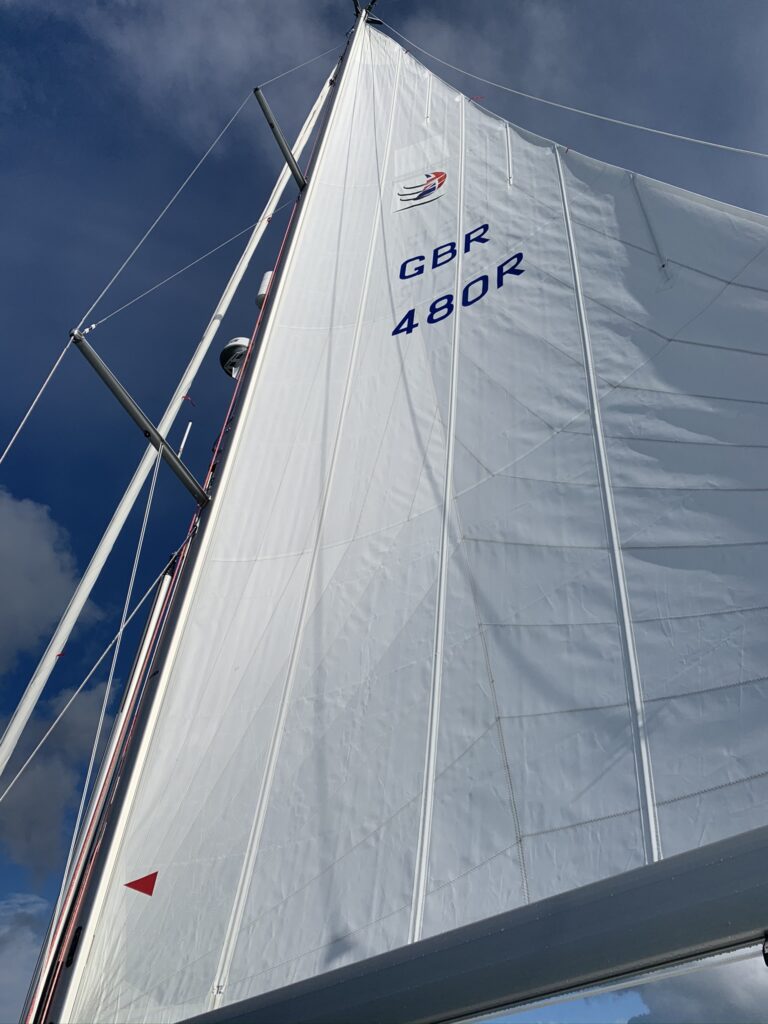
An in-mast furling system stores the mainsail inside the mast. A specially designed luff extrusion, furling drum and halyard arrangement allow the sail to roll vertically into the mast cavity. To ensure smooth and reliable furling, the sail is cut with a flatter profile and reduced roach. Deployment and reefing are typically controlled entirely from the cockpit, making the system particularly appealing for short-handed cruising.
Key Benefits
1. Ease of Use
In-mast furling mainsails are straightforward and intuitive to operate:
- No need to flake or cover the sail after use
- Reefing can be done without leaving the cockpit
- Well-suited to short-handed sailing
2. Safety
Because there is no need to handle a full mainsail on deck, in-mast furling significantly reduces exposure in challenging conditions. This is a major advantage for:
- Solo sailors
- Couples
- Cruisers operating offshore or in remote areas
3. Clean, Tidy Look
With the sail fully stowed inside the mast, there is no sail cover or stackpack on the boom:
- No loose sailcloth in strong winds
- A cleaner cockpit and coachroof
- Less visual and physical clutter
Trade-Offs to Understand
1. Sail Shape Limitations
To furl reliably inside the mast, in-mast mainsails are generally cut flatter than conventional sails. As a result:
- Ultimate upwind power is slightly reduced
- Sail depth and roach are more limited
For many cruising sailors, this is an acceptable compromise, as ease of handling and simplicity outweigh the marginal loss in performance.
2. Batten Considerations
Because the sail must roll vertically, battens are typically orientated parallel to the mast and are less effective than traditional horizontal battens:
- Short vertical battens require a straighter leech
- Full-length vertical battens can support limited roach
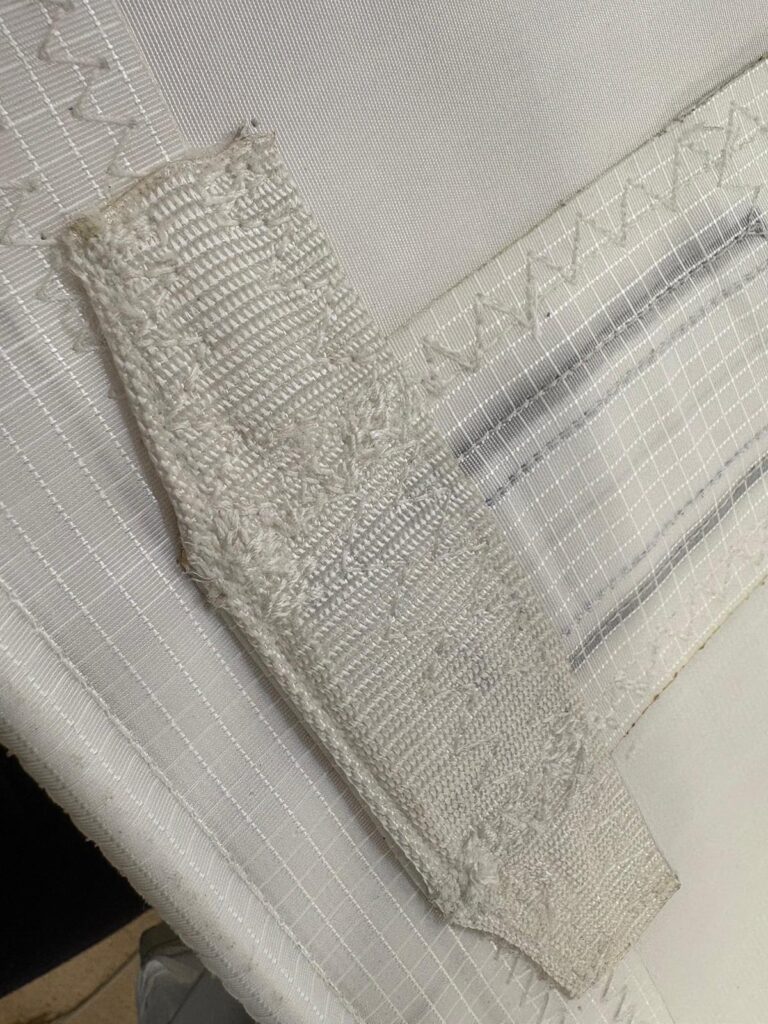
The mast section plays a significant role in what batten configurations are possible. In some cases, to ensure smooth and reliable furling, battens may be omitted altogether and the sail cut with increased leech hollow to prevent flutter.
3. Reefing Loads
Under higher loads, careful management of halyard and outhaul tension is important. If not handled correctly, there is a greater risk of the sail binding inside the mast. With correct setup and technique, this is easily managed, but it does require a degree of awareness from the user.
In-Boom Furling
How It Works
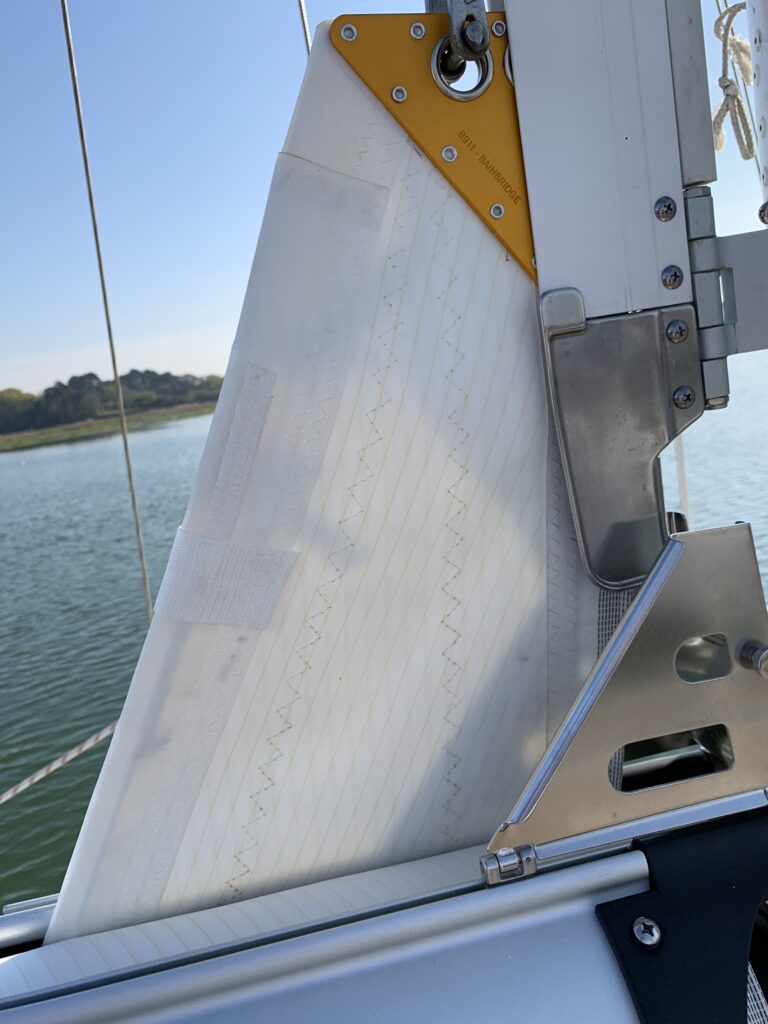
An in-boom furling mainsail is designed to combine controlled sail handling with efficient sail shape. Instead of rolling vertically, the sail is rolled horizontally inside the boom around a rigid internal mandrel. The foot of the sail is attached to the mandrel, with the tack and clew secured at either end of the boom. As the sail is hoisted, a dedicated feeder guides the luff smoothly into the mast track, ensuring correct alignment and even loading. Reefing and furling are achieved by rotating the mandrel via a powerful drum, rolling the sail neatly and consistently into the boom. Both hoisting and furling are usually managed from the cockpit, often with electric or hydraulic assistance on larger yachts. When properly set up and operated, an in-boom furling system delivers clean reefing, predictable deployment, and sail performance closer to that of a conventional mainsail than other furling options.
Key Benefits
1. Better Sail Shape
Because the sail does not need to roll inside the mast, in-boom systems allow for:
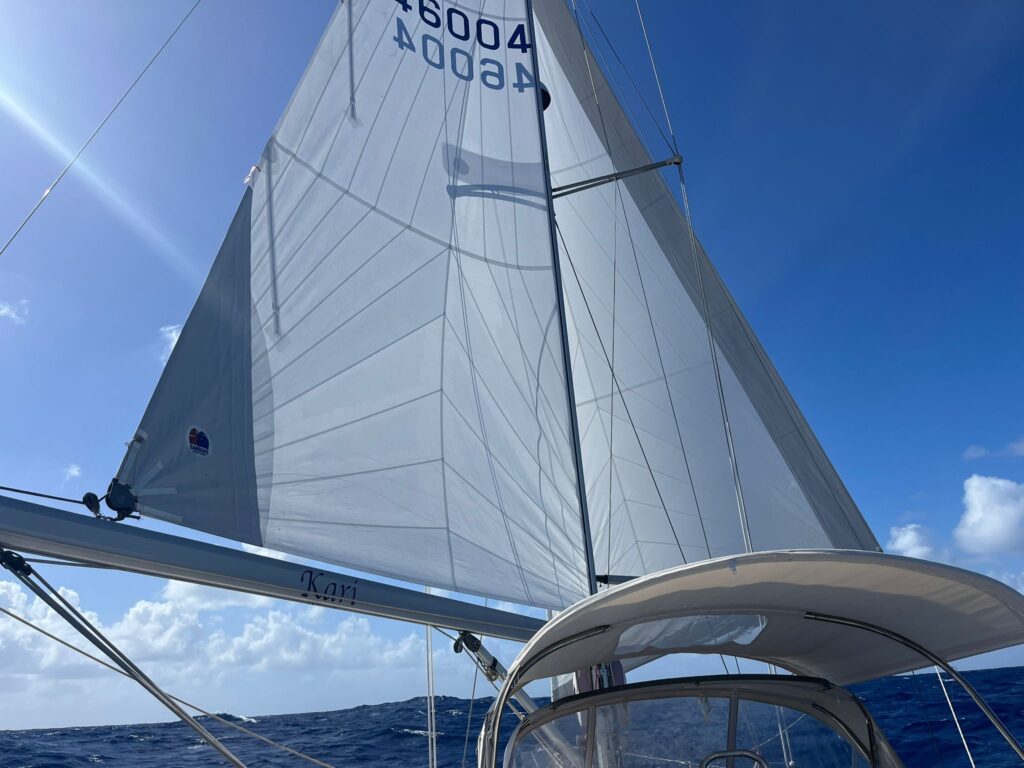
- Fuller sail sections
- Improved upwind performance
- Increased roach and sail area
2. Full-Length Battens
In-boom furling mainsails use carefully positioned full-length horizontal battens:
- Allowing meaningful roach in the leech
- Helping maintain sail shape and longevity over time
3. Reefing Precision
In-boom systems generally provide excellent control over reef depth and sail shape. Reefing is visible and repeatable, making it particularly appealing for sailors who value accuracy and predictability, even when sailing short-handed.
Trade-Offs to Understand
1. Mechanical Complexity
In-boom furling systems are typically:
- Heavier
- More mechanically complex
- More demanding in terms of installation
They rely on high-quality boom hardware, precise rigging geometry, and professional setup to perform as intended.
2. Cost
Due to the additional hardware, including rotating mandrels and bespoke boom fittings — in-boom furling systems usually carry a higher upfront cost than in-mast alternatives.

3. Sail Handling Habits
While in-boom furling greatly simplifies mainsail handling compared to traditional systems, it introduces a slightly different operating rhythm:
- Slower sail drops: Unlike a conventional mainsail that can be lowered quickly, an in-boom furling sail must be rolled onto the mandrel as it is lowered. This takes longer, but results in a far more controlled and contained process.
- Greater emphasis on inspection: Because loads are concentrated at the luff tape and batten ends, regular inspection and routine maintenance are important. With proper care, in-boom furling systems remain robust, predictable and highly dependable.