
Introduction: Why Off-Season Sail Care Matters
As the sailing season winds down and boats are laid up ashore, it is easy to focus on engines, antifreeze and covers and forget that sails need just as much attention. Yet sails represent one of the biggest investments on board, and how they are cared for over winter has a direct impact on their lifespan, shape, and performance next season. At Sanders Sails, we see many avoidable issues each spring: mildew from damp storage, unnecessary wear from salt and grit, and small repairs that could have been dealt with months earlier.
The off-season is the ideal time to inspect, clean and store your sails properly, ensuring they are ready to go the moment the boat is launched again. This guide outlines the key steps to take when storing your sails over winter; including what to check, how to prepare them, and where they are best kept – so they emerge in spring in the same condition you packed them away.

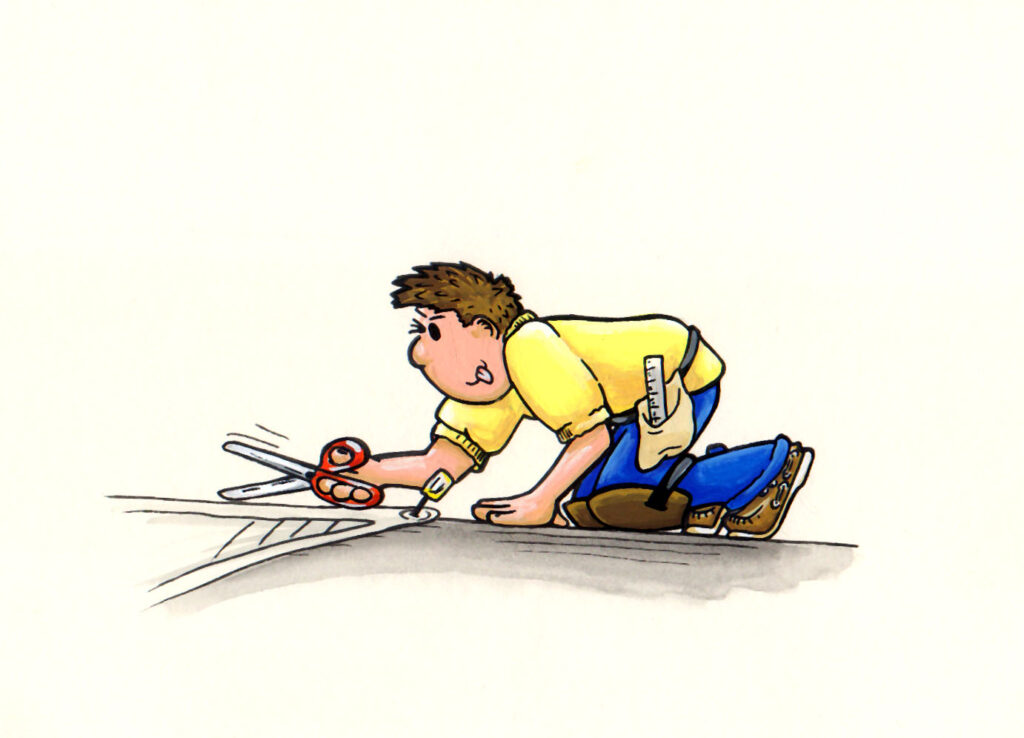

How to Store Your Sails Over Winter
1. Assess and Prepare Your Sails
Before anything goes into a bag, take time to look at the sails properly. What to check:
- Signs of chafe, worn stitching, or UV damage
- Batten pockets, leech lines, and corner reinforcements
- Furling sails: condition of UV covers and luff tapes
Why it matters:
Small issues found now are quicker, cheaper, and far less disruptive to deal with in winter than in the middle of next season.
Sanders Tip:
End-of-season servicing prevents many of the emergency repairs we see during peak sailing months.
2. Clean and Dry Thoroughly
Salt, dirt, and moisture are the biggest enemies of stored sails.
- Rinse sails thoroughly with fresh water
- Pay particular attention to leeches, luffs, and batten pockets
- Allow sails to dry completely before packing away
Salt crystals act like grit within the cloth, slowly abrading fibres over time. Moisture encourages mildew, which may not always weaken the sail, but is unpleasant, difficult to remove and avoidable.
3. Folding or Rolling: Do It with Care
How a sail is packed matters, especially over long periods.
- Woven sails (Dacron): fold neatly, avoiding the same crease lines year after year
- Laminate sails: roll wherever possible to prevent permanent creasing
- Spinnakers: store loosely to avoid compression
Never pack sails under load or with heavy items on top. Prolonged compression can damage fibres and coatings.
4. Choose the Right Storage Environment
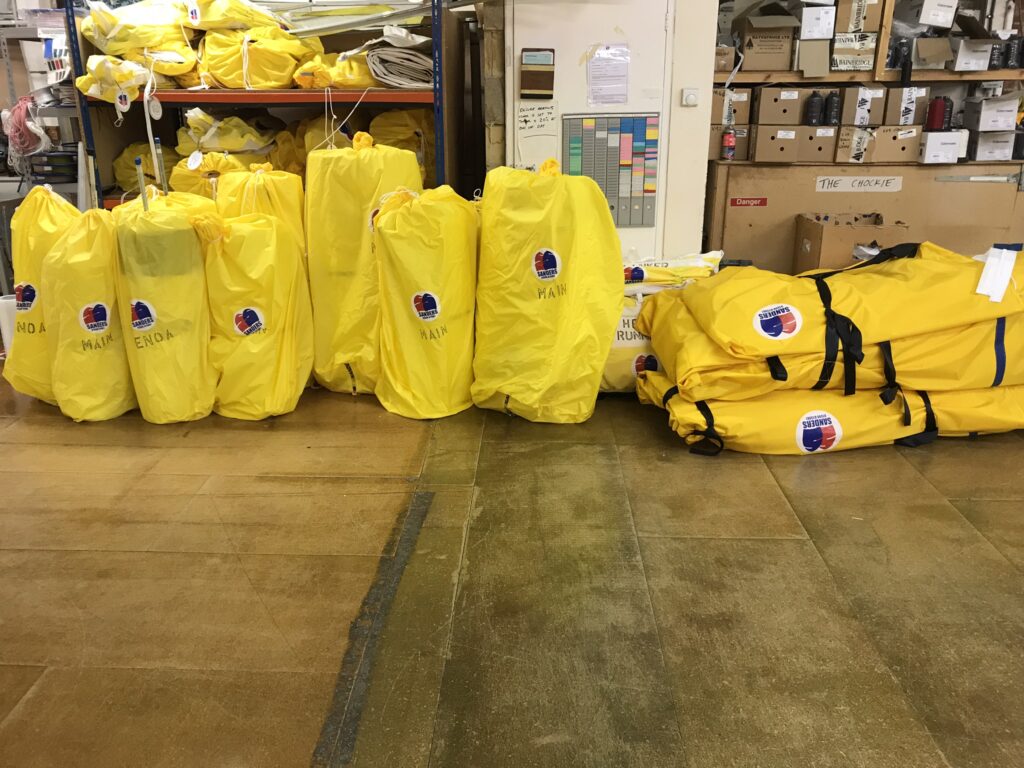
Sails should be stored somewhere that is:
- Dry and well ventilated
- Free from extreme heat or cold
- Protected from pests
Rodents in particular are drawn to sails as they offer shelter, bedding material and salt residue. Damage from mice or rats can be extensive and unpleasant.
Best options:
- Hanging from a ceiling
- Stored on shelving with airflow around the bag
- Professional loft storage where available
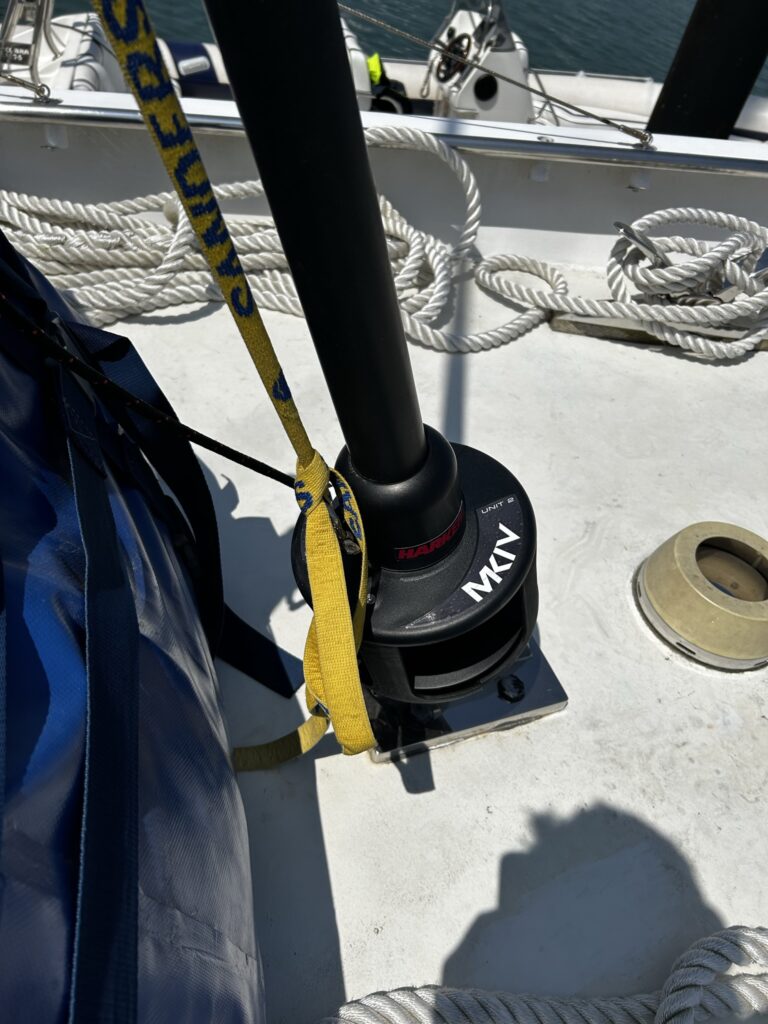
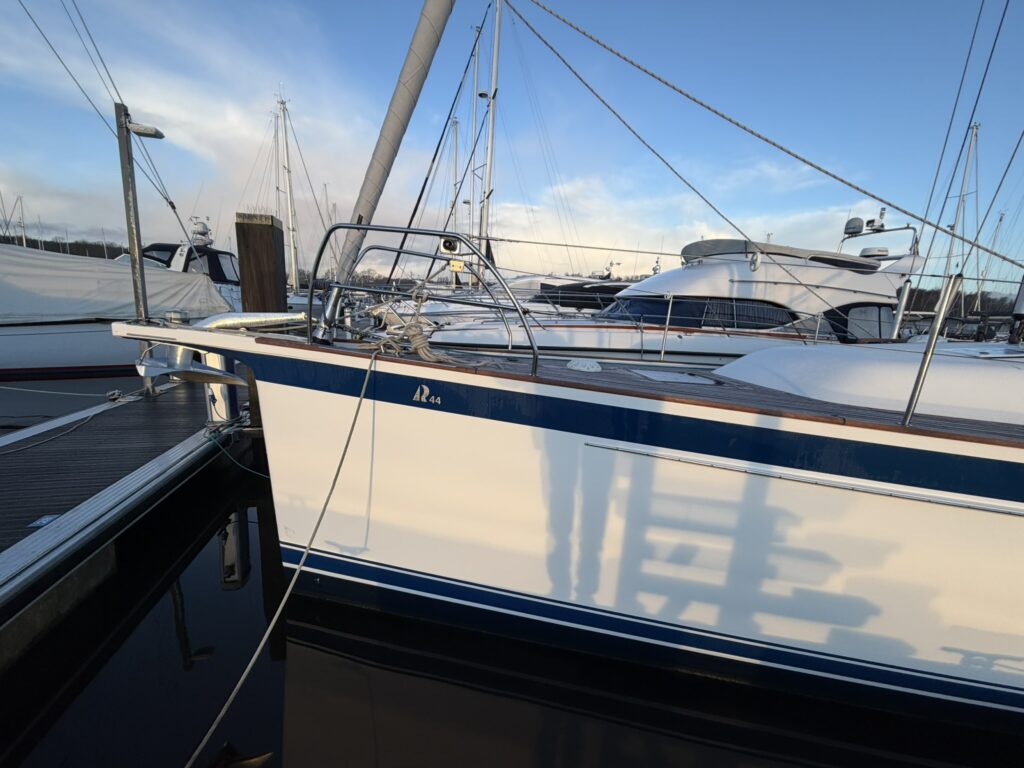
Avoid damp basements, hot lofts, sheds or leaving sails on the boat over winter.
5. The Off-Season Advantage
Winter is the ideal time for:
- Repairs and reinforcements
- Re-cuts or modifications
- Adding reefs, battens, or chafe protection
- Planning changes for the season ahead
Taking care of this work in the off-season protects your time on the water when spring arrives.
Final Thoughts
Storing your sails correctly over winter is one of the simplest ways to protect their performance and extend their life. A little time spent inspecting, cleaning, and choosing the right storage environment now can save significant cost and frustration later. If you are unsure about the condition of your sails, or would like advice on storage, servicing or winter work, our team is always happy to help.