
Understanding the Materials: Why Construction Matters
Modern sail design has evolved dramatically over the last few decades, but the fundamentals remain the same. A sail must be light, strong, stable in shape, and durable enough to cope with real-world sailing. The way a sail performs over its lifetime is dictated not only by the fibres used, but by how those fibres are arranged and supported within the cloth. At a high level, today’s sails fall into three broad categories: woven sails, laminated sails, and membrane sails. Each has its place, and understanding the differences helps explain why performance, longevity, and cost vary so widely.
Woven sails
Proven durability, gradual performance loss
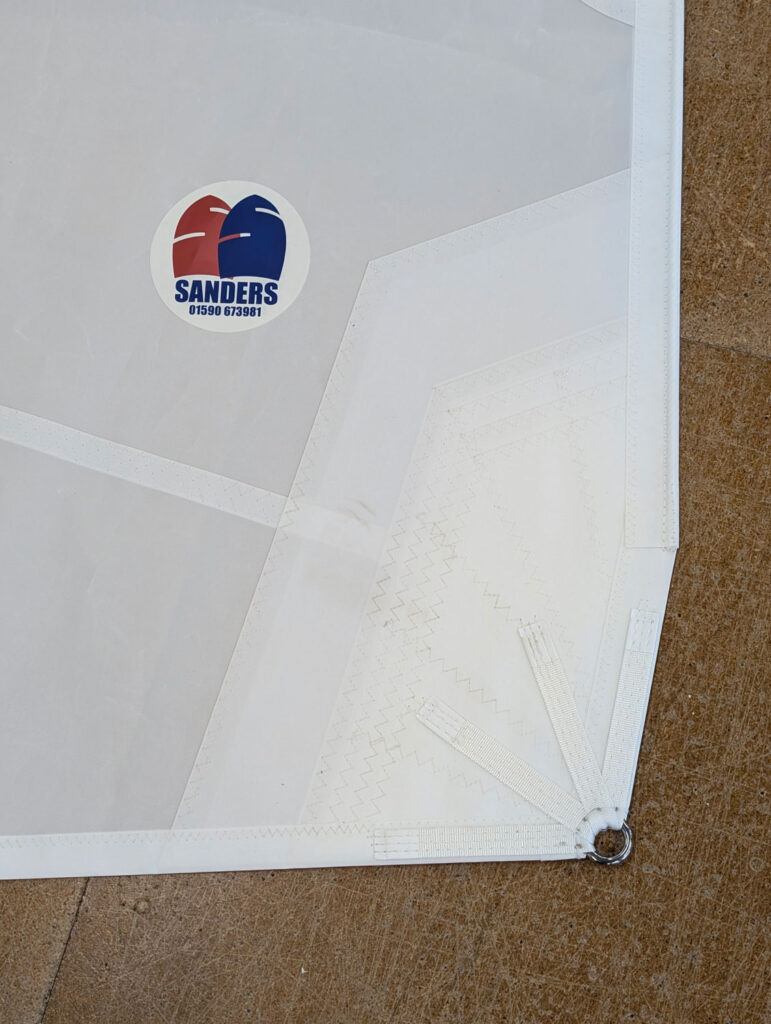
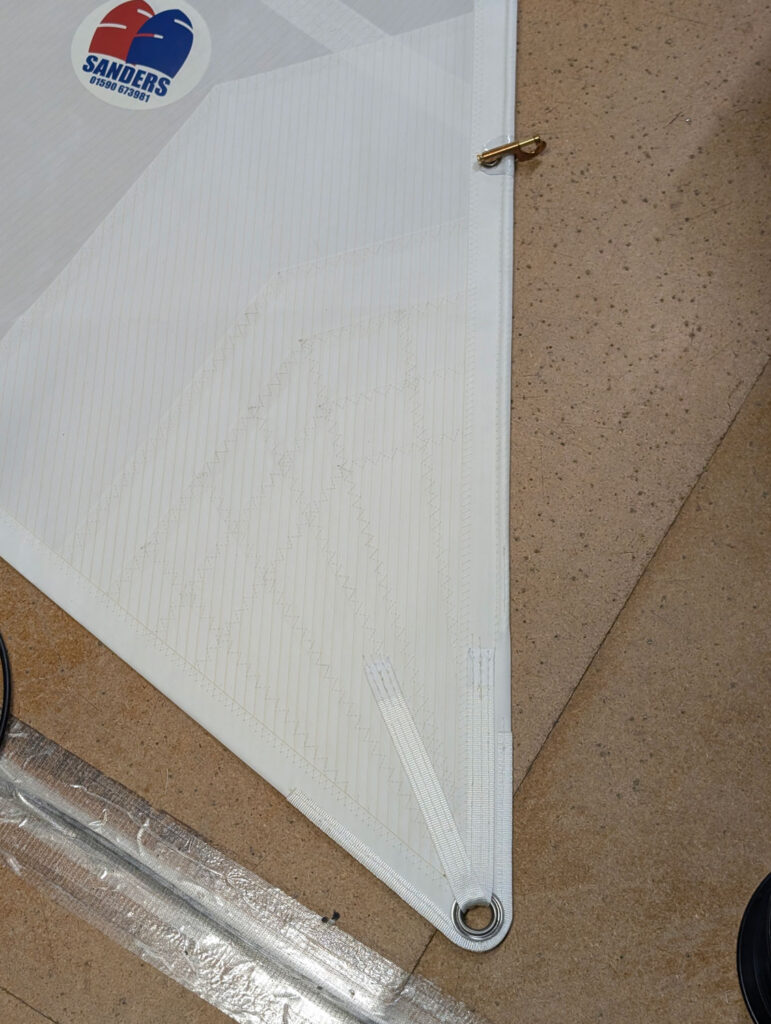
Woven polyester (commonly referred to as Dacron) has been the backbone of sailmaking for over half a century. It is produced by interlacing yarns in two directions on a loom, creating a robust, abrasion-resistant fabric. The key strengths of woven sails are durability, forgiveness, and value. They cope well with flogging, repeated folding, and extended UV exposure. For cruising sailors prioritising longevity and ease of ownership, a well-specified woven sail remains a sensible choice. The limitation of woven cloth lies in how it stretches. Load is carried primarily along the yarn directions, while the sail is relatively weak on the bias. As the sail is used, resin breaks down, fibres relax, and shape gradually migrates aft. Performance does not suddenly disappear, but it steadily degrades over time. In short, woven sails age predictably and gracefully, but they will never hold their original shape indefinitely.
Laminated sails
Lighter, stiffer, and more shape-stable
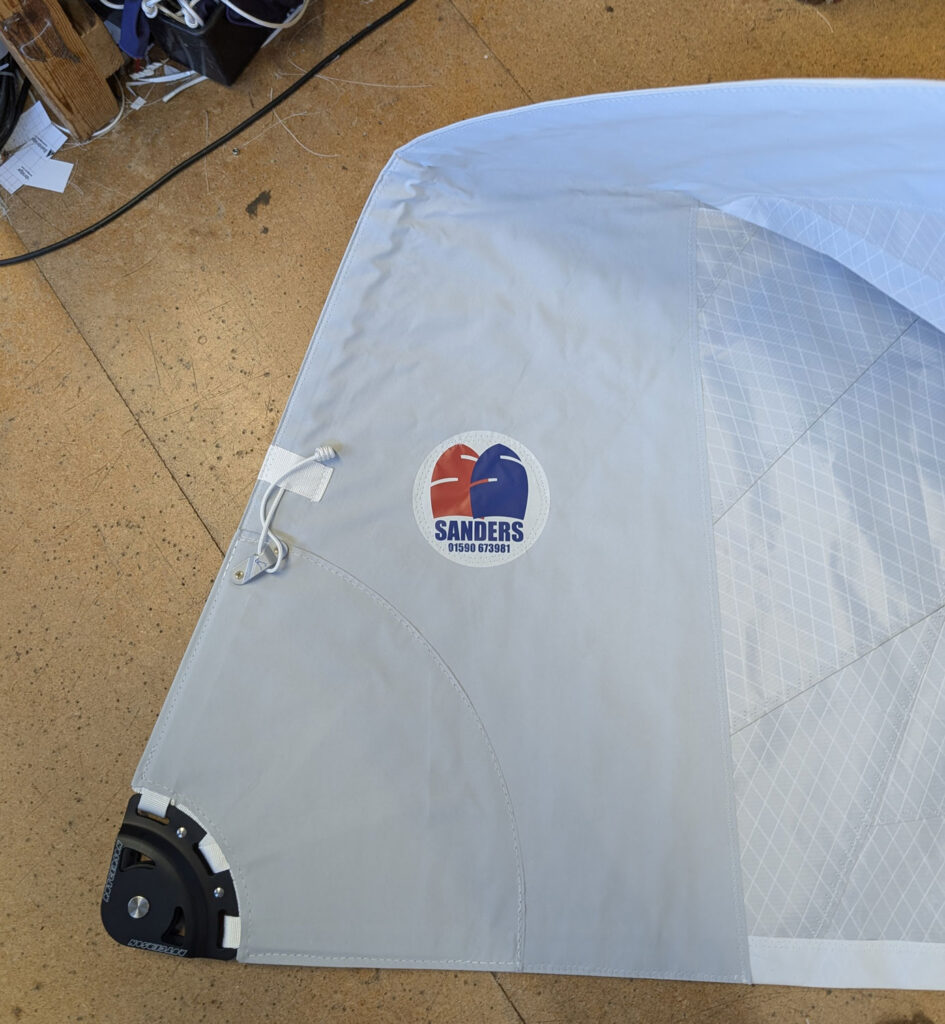
Laminated sails were developed to address the inherent stretch of woven cloth. Rather than relying on interlaced yarns, laminates use structural fibres bonded to thin films, typically Mylar, to create a much stiffer composite material. The key advantage is shape retention because fibres can be oriented more closely to the expected load paths, laminated sails resist stretch far more effectively than woven sails. They are lighter for a given strength and maintain performance for longer. Panelled laminates, often built in tri-radial layouts, represent a significant step up in performance for both racers and performance-focused cruisers. However, they still rely on pre-manufactured cloth, meaning fibre orientation and density are fixed before the sail is even designed. Films also introduce potential long-term issues with fatigue and moisture if not specified correctly. Laminates typically deliver a long period of high performance, followed by a sharper drop-off as materials reach the end of their working life.
Membrane sails
Load paths first, material second
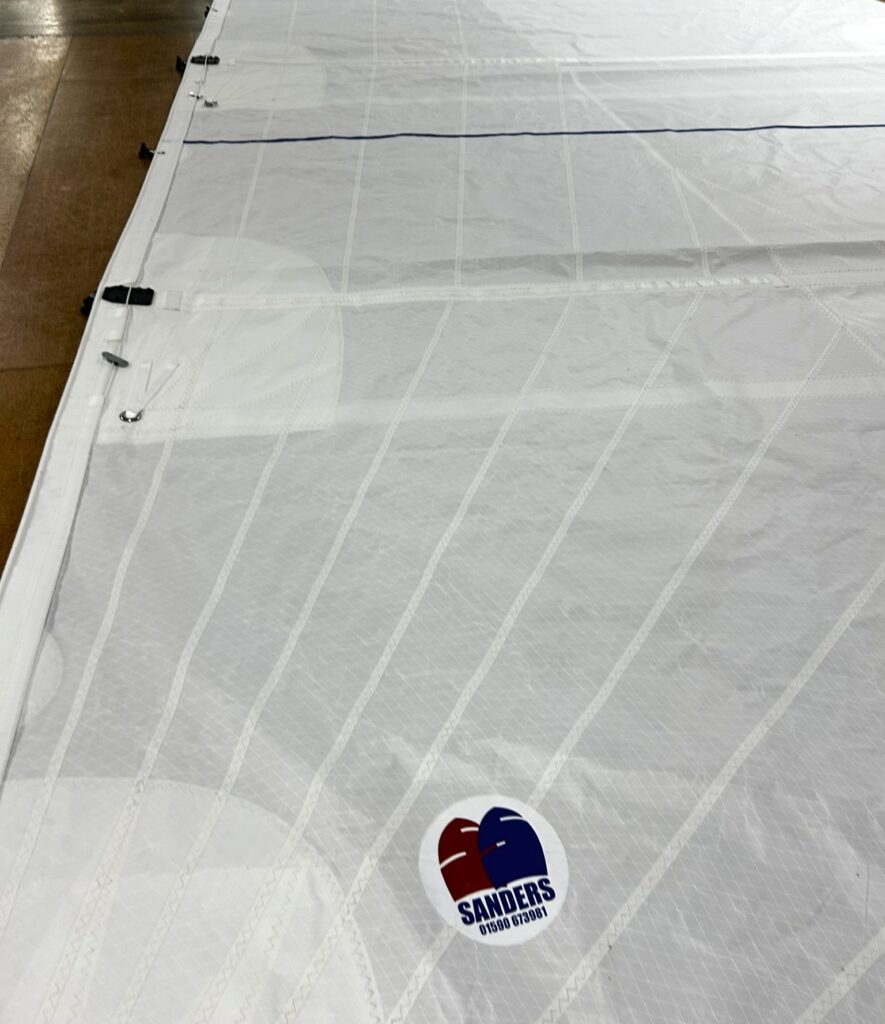
Membrane construction turns the process around completely. Instead of choosing a cloth and cutting a sail from it, the sail is designed first, and the material is then built specifically for that design. In a membrane sail, structural fibres are laid precisely along the true load paths of the sail, corner to corner, with no unnecessary material elsewhere. This eliminates the compromises imposed by woven patterns or off-the-shelf laminates. The result is a sail that is lighter, stronger, and dramatically more stable in shape. Loads are carried directly by the fibres, not by films or resins, and the sail works efficiently across a wider wind range. This approach has become the standard for high-performance racing sails, but modern membrane technology now allows durability to be tuned just as carefully as performance.
Sanders Filmless Membranes (SFM)
A refined approach to membrane construction
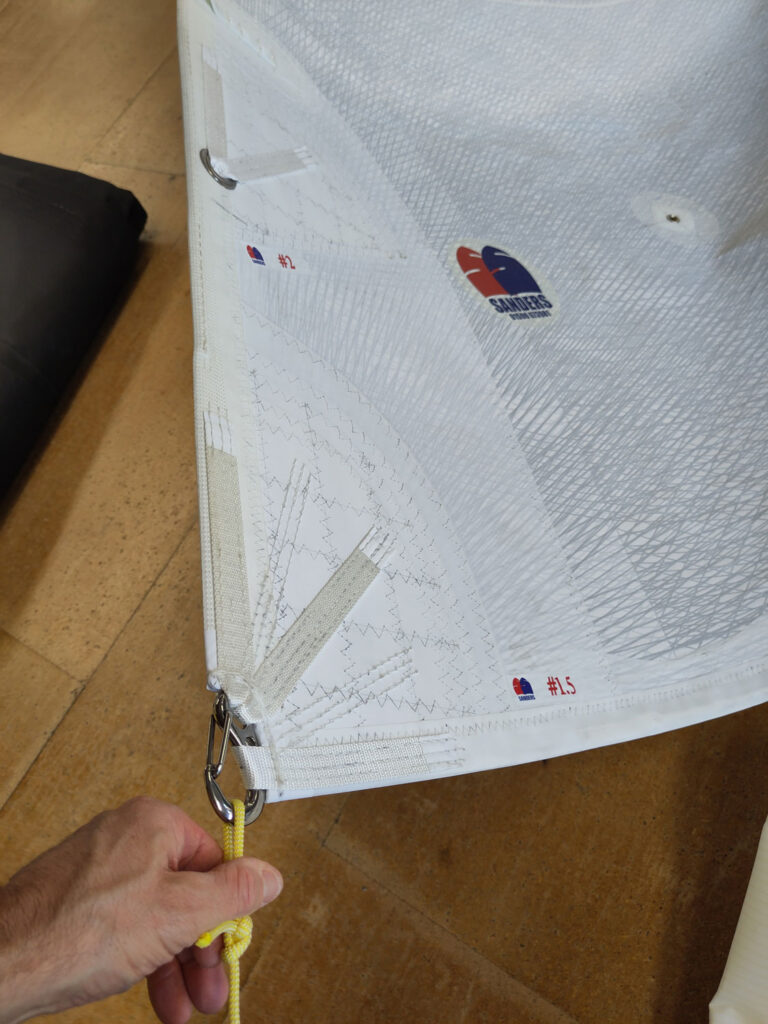
Sanders Filmless Membranes (SFM) take the membrane concept a step further by removing unnecessary film layers entirely. Rather than relying on Mylar for stability, SFM sails use a bespoke network of high-modulus fibres that are engineered specifically for each individual sail. Every SFM sail is built from the ground up. Fibre type, fibre density, and fibre orientation are all tailored to the boat, rig, sail size, and intended use. This allows us to place strength only where it is needed, reducing weight while increasing structural efficiency. By eliminating film layers, SFM sails are more resistant to flex fatigue, easier to fold and handle, and less prone to moisture-related degradation. The sail remains stable because the fibres themselves carry the load, not because they are trapped between sheets of plastic. The result is a sail that feels lighter in the boat, accelerates more readily, holds its designed shape for longer, and delivers consistent performance across its working life.
Choosing the right solution
There is no single “best” sail material – only the right choice for how and where you sail. Woven sails offer outstanding durability and value. Laminates provide a strong balance between performance and longevity. Membrane sails deliver the highest level of shape control and efficiency available today. Sanders Filmless Membranes are designed for sailors who value precision, longevity of performance, and confidence in their sail shape. Whether for racing or high-performance cruising, SFM allows us to build sails that are lighter, stronger, and more purpose-built than traditional constructions, without unnecessary compromise. As always, the most important step is matching the sail to the boat, the rig, and the sailing plan. That is where good design, careful specification, and experience matter most.