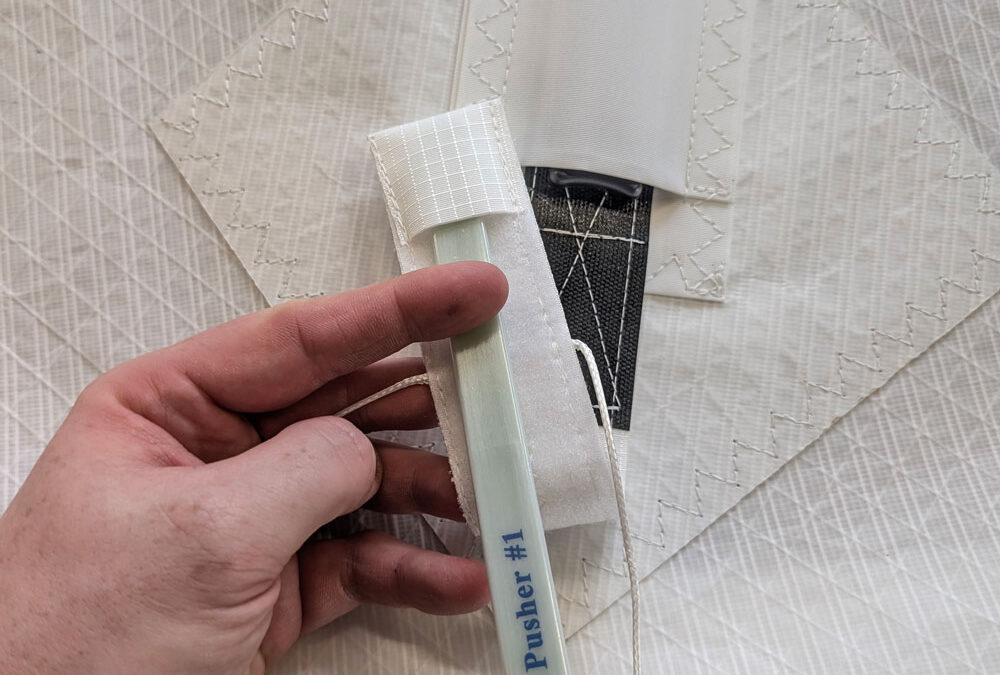
by stu9487 | Apr 9, 2026 | Batten Guides
Step 1: Prepare the Sail and Battens Vertical Velcro Batten Pockets are mostly used on non-overlapping headsails and allow you to furl your sail with some additional leech support. Lay the sail out flat with the batten pockets facing upwards. Identify each batten and...
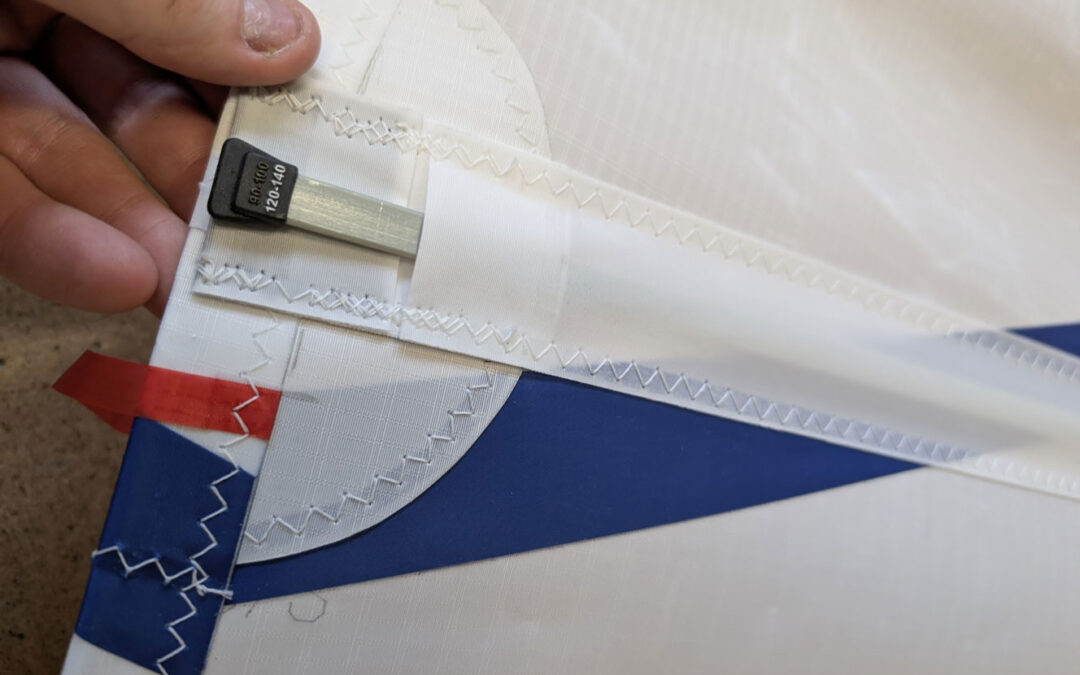
by stu9487 | Apr 9, 2026 | Batten Guides
Step 1: Prepare the Sail and Battens Slip-in elastic batten pockets are most commonly used on dinghies and smaller keelboats. Batten tension is created by an elastic webbing retainer at the inboard end of the pocket, which holds the batten firmly once installed. These...
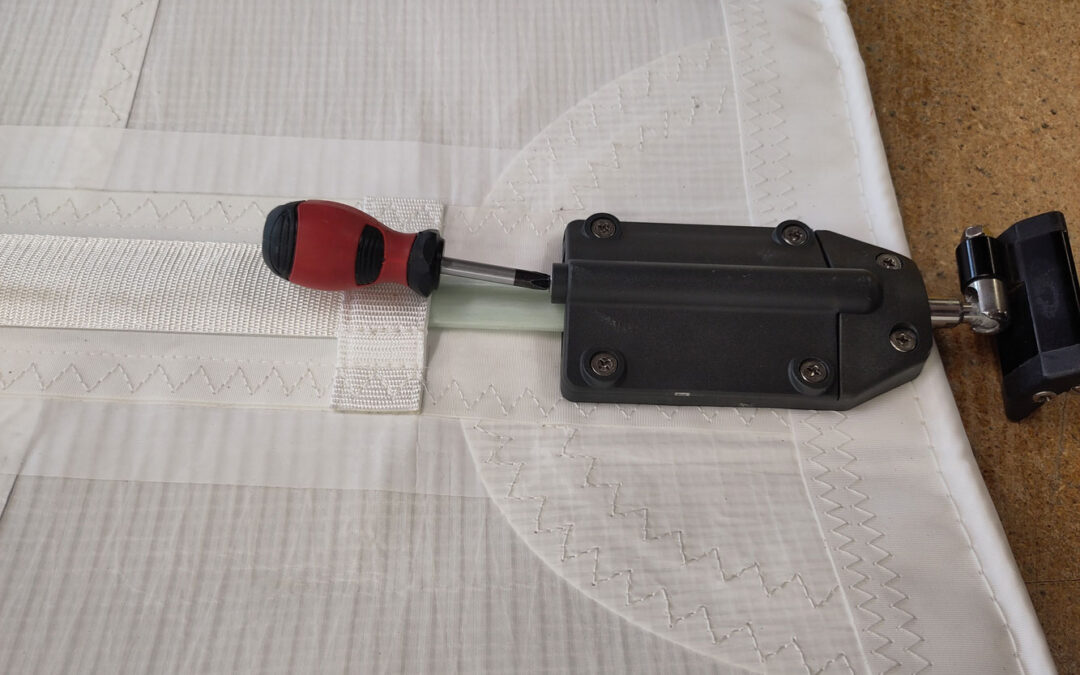
by stu9487 | Apr 9, 2026 | Batten Guides
Step 1: Prepare the Sail and Batten Receptacle The majority of our full-length batten pockets are luff-loaded, allowing compression cars to be threaded onto the luff via a batten receptacle. If conditions allow, the easiest method is to hoist the mainsail and load one...
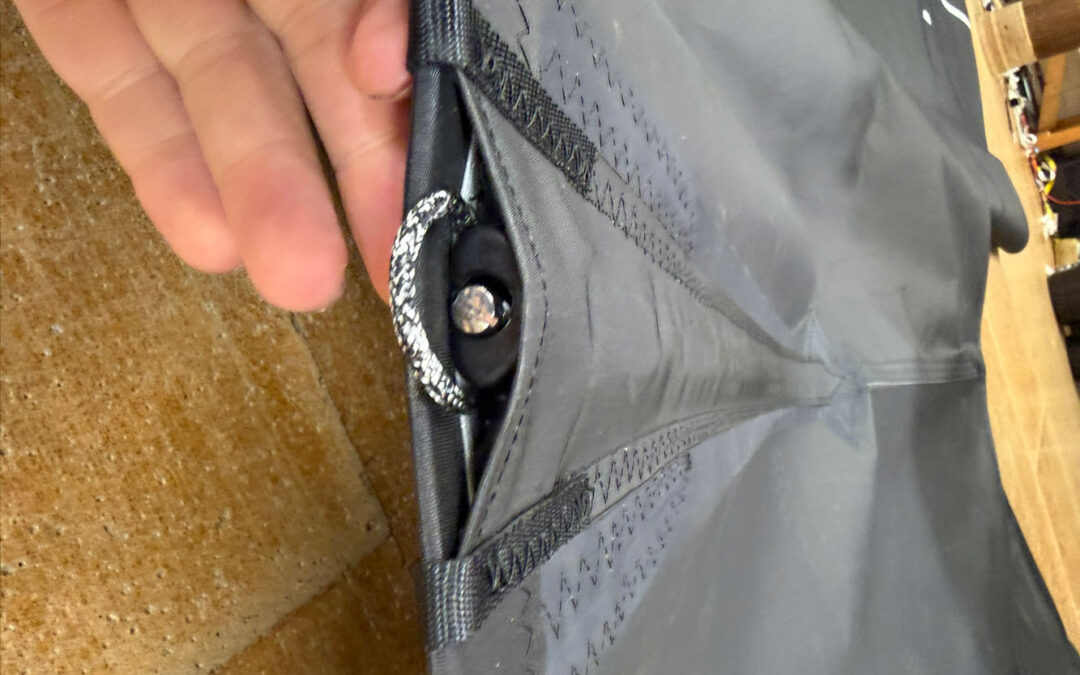
by stu9487 | Apr 9, 2026 | Batten Guides
Step 1: Prepare the Sail and Battens Lay the sail out flat with the batten pockets facing upwards. Identify each batten and check any markings or labels so you know which pocket it belongs in. On most labelled sets, the numbering indicates the batten order –...
by stu9487 | Apr 9, 2026 | Batten Guides
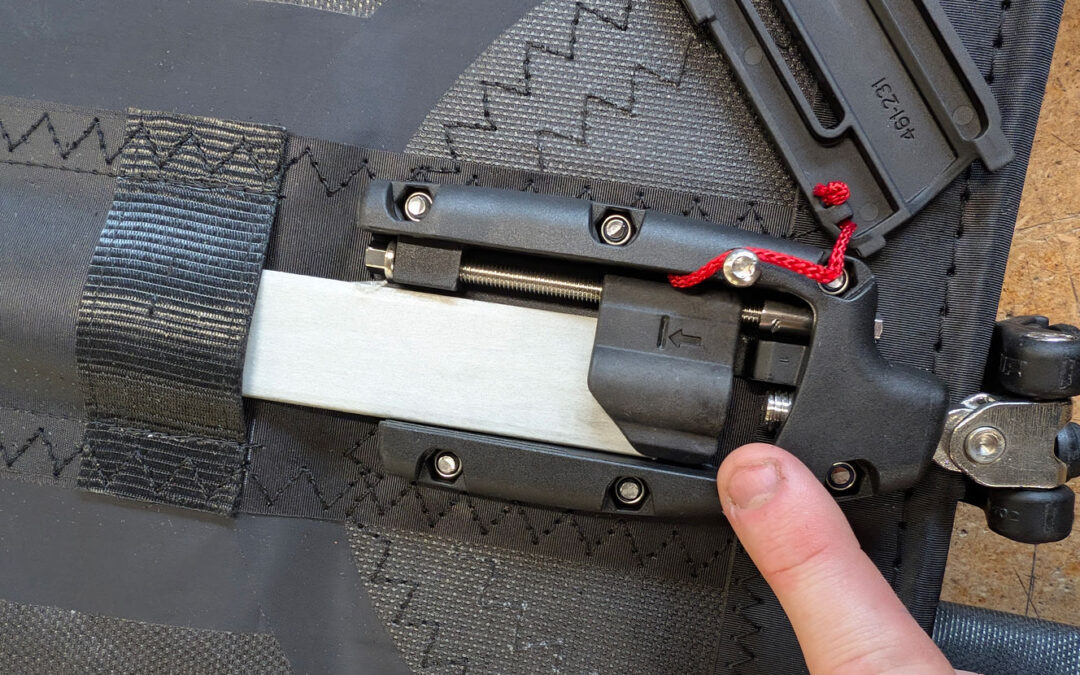
Step 1: Prepare the Sail and Batten Receptacle The majority of our full-length batten pockets are luff-loaded, allowing compression cars to be threaded onto the luff via a batten receptacle. If conditions allow, the easiest method is to hoist the mainsail and...
by stu9487 | Apr 8, 2026 | Batten Guides
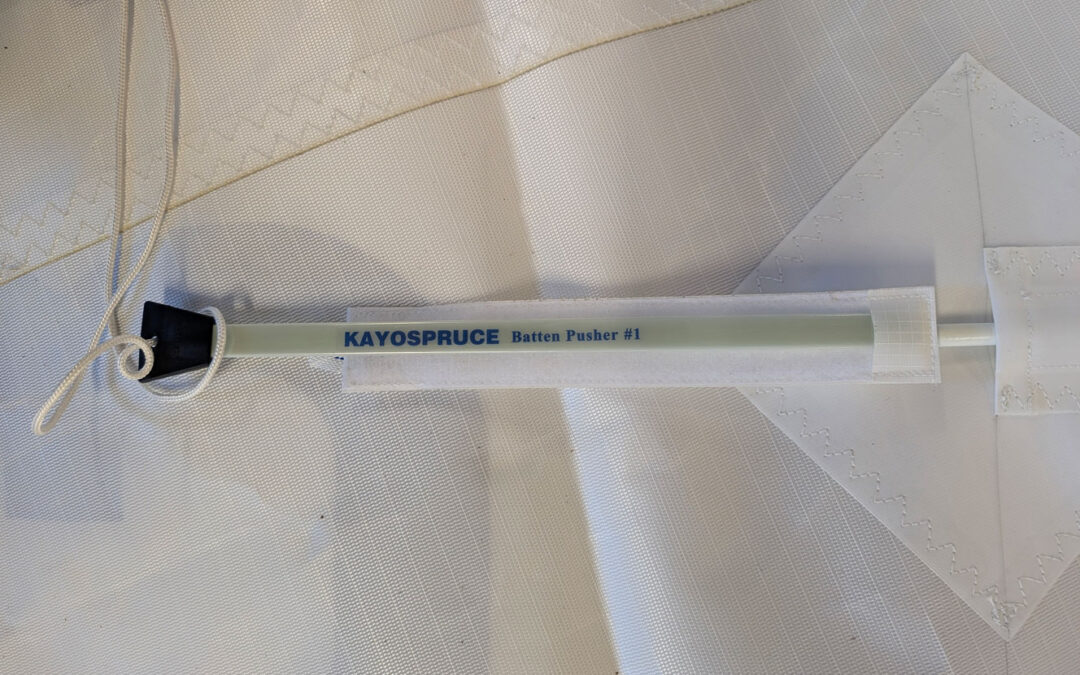
Step 1: Prepare the Sail and Battens Lay the sail out flat with the batten pockets facing upwards. Identify the Velcro tab and the batten you will be fitting. These battens are symmetrical, so there is no top or bottom orientation – either end can be inserted...
