Simple habits that extend sail life and preserve performance
Sails are one of the most significant investments on any sailing boat, and how they are treated from day one has a direct impact on how long they last and how well they perform over time. As sailmakers, we see first-hand that two identical sails can have very different lifespans, simply because of how they are handled, protected, and maintained.
Good sail care is not complicated, but it does require awareness. Chafe, flogging, ultraviolet exposure, and poor storage will shorten the life of even the best-made sail. Conversely, a few sensible habits can add years to a sail’s useful life and help it retain its designed shape far longer. We break sail protection into four key areas: preparing the boat and rig, handling sails correctly on board, dealing with damage early, and ongoing care and storage.
Preparing the Boat and Rig
“Before a sail ever goes up, the boat itself plays a major role in how well it will survive.”
Any sharp edges, exposed pins, or rough fittings should be dealt with before sailing. Cotter pins, split rings, turnbuckles, stanchion tops, pulpit bases, and lifeline fittings are all common sources of chafe. These should be taped, covered, or protected with casings where possible. Spreader tips deserve particular attention, and protective rollers or padded covers along with sail patches are strongly recommended.
Halyards and shackles should be checked for broken wire strands or burrs that can snag or abrade sailcloth. Any gaps in the rigging where a sail could hook during hoisting or lowering should be closed off or guarded. Keeping decks and spars clean also matters more than many people realise. Dirt, salt, and aluminium oxidation act like fine abrasives and accelerate wear every time a sail moves across them. When drying sails, allow them to air dry naturally below deck or in a shaded, well-ventilated space. Hoisting sails and allowing them to flog dry does far more harm than good, and prolonged exposure to direct sunlight should always be avoided.

Handling Sails on the Water
“How sails are used day to day has the biggest influence on their lifespan.”
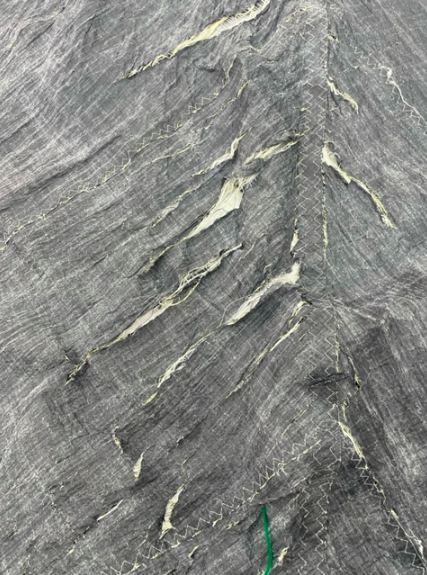
Unnecessary flogging is one of the fastest ways to damage sailcloth and stitching. Reef early, trim promptly after hoisting, and avoid sailing or motor sailing with sails flapping. Carrying too much sail in rising wind stretches cloth permanently, while depowering by luffing simply accelerates wear.
Sails should be hoisted with only enough halyard tension to remove horizontal wrinkles. Excessive luff tension pulls the shape out of the sail and overloads high-stress areas. The same principle applies to outhauls and leech lines: tension should be just enough to do the job, no more.
Headsails deserve particular care around spreaders and shrouds. Sheet leads must be positioned correctly so loads are shared evenly between leech and foot. In gusty conditions, active trimming helps prevent the sail being pressed hard into spreader tips. During tacks, releasing the old sheet early reduces the risk of the leech catching and tearing.
Laminate sails should never be used without the protective patches supplied. Spreader, stanchion, and wear patches are sacrificial by design and far easier to replace than damaged sailcloth. At the end of the day, ease halyards, and outhauls before flaking or furling. Roller-furling headsails should always be rolled with the UV strip on the outside, and mainsails left on the boom should be properly covered every time.
Dealing With Damage
“Small problems rarely stay small if ignored.”
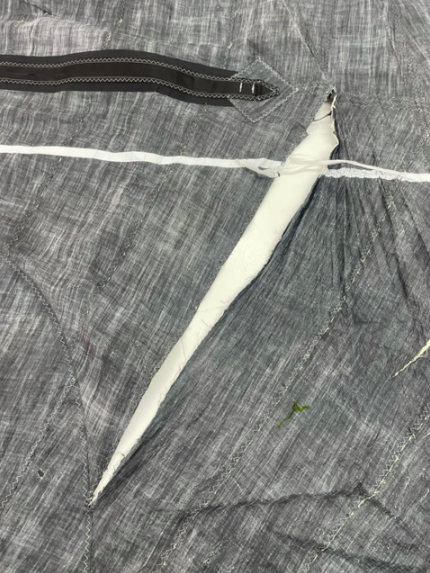
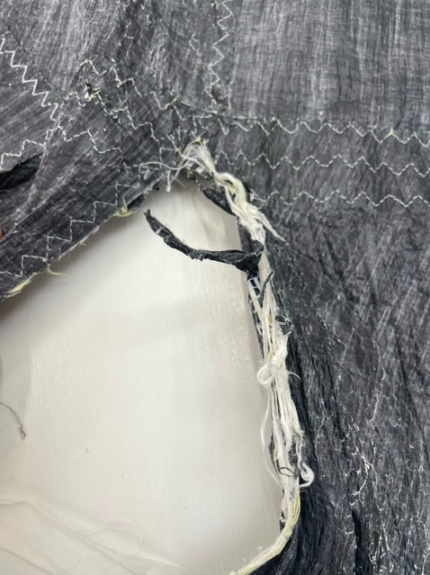
If a sail is damaged while sailing, get it down as soon as conditions allow to prevent further tearing. Minor cuts or pinholes can often be stabilised temporarily using adhesive sail tape or insignia cloth applied to both sides of the sail. This is a short-term solution, but it can prevent a small issue becoming a major repair. Woven sails can be hand-sewn in an emergency, if necessary, but laminate sails should not be stitched by hand, as needle holes can weaken the structure further. When in doubt, it is always best to consult a sailmaker before continuing to use a damaged sail.
Care, Cleaning, and Storage
“Regular inspection is one of the most effective forms of sail care.”
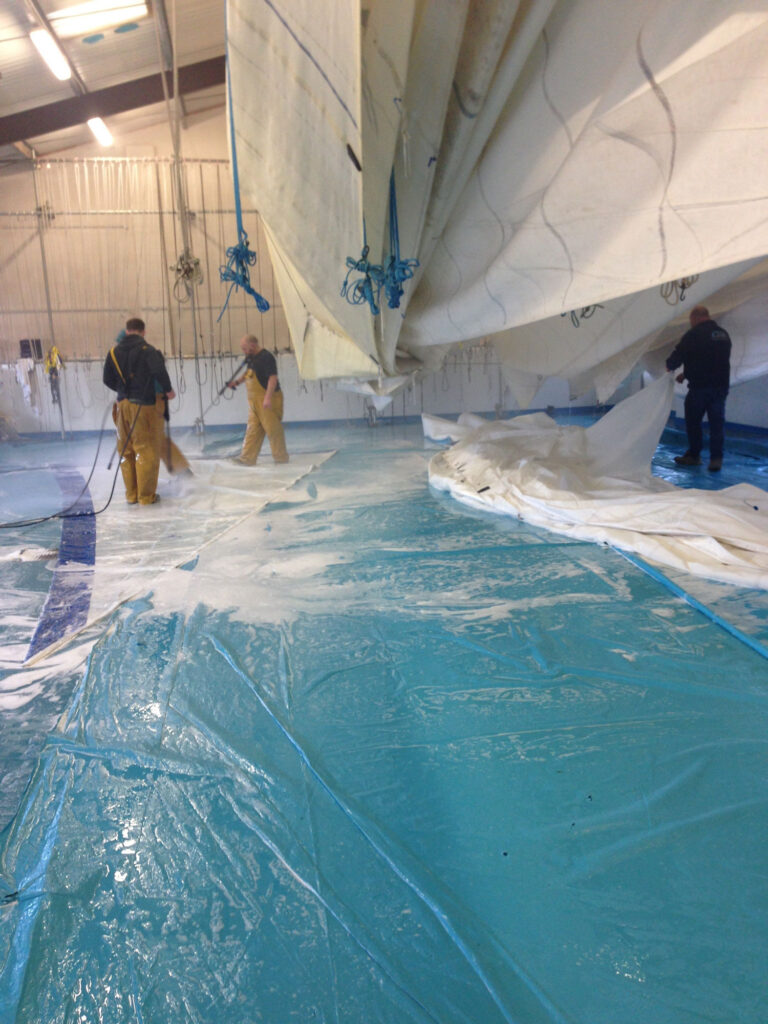
High-load areas such as leeches, batten pockets, reef points, corners, and stitching should be checked routinely for early signs of wear. At the end of a season, sails that have seen regular use benefit greatly from professional inspection, cleaning, and drying. Washing removes salt and contaminants that accelerate cloth breakdown and stitching failure. If sails are cleaned at home, they should be rinsed thoroughly, dried completely, and never stored damp.
When storing sails, avoid sharp folds and repeated creases in the same place. Sails should be kept in a clean, dry, well-ventilated environment, away from heat and direct sunlight. Heavy items should never be placed on top of sail bags. Mildew stains may not significantly weaken sailcloth, but they are difficult to remove and usually indicate poor storage conditions. Prevention is far easier than cure.
Bringing Sails Back to the Loft
“One of the most overlooked aspects of sail care is regular professional inspection.”
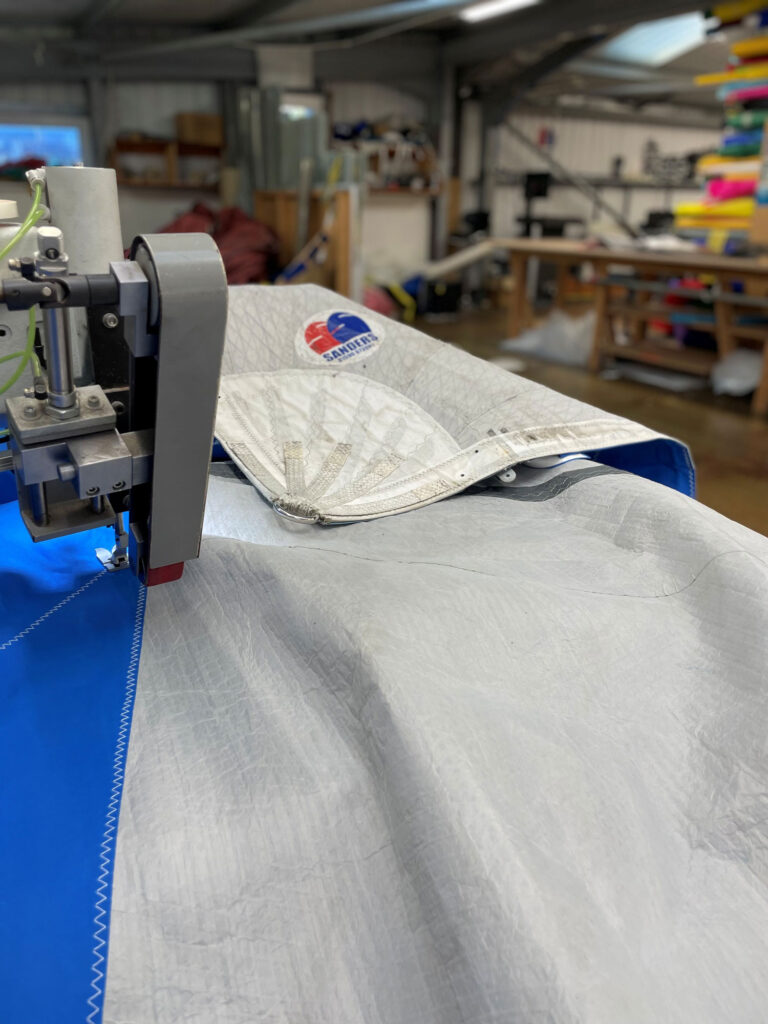
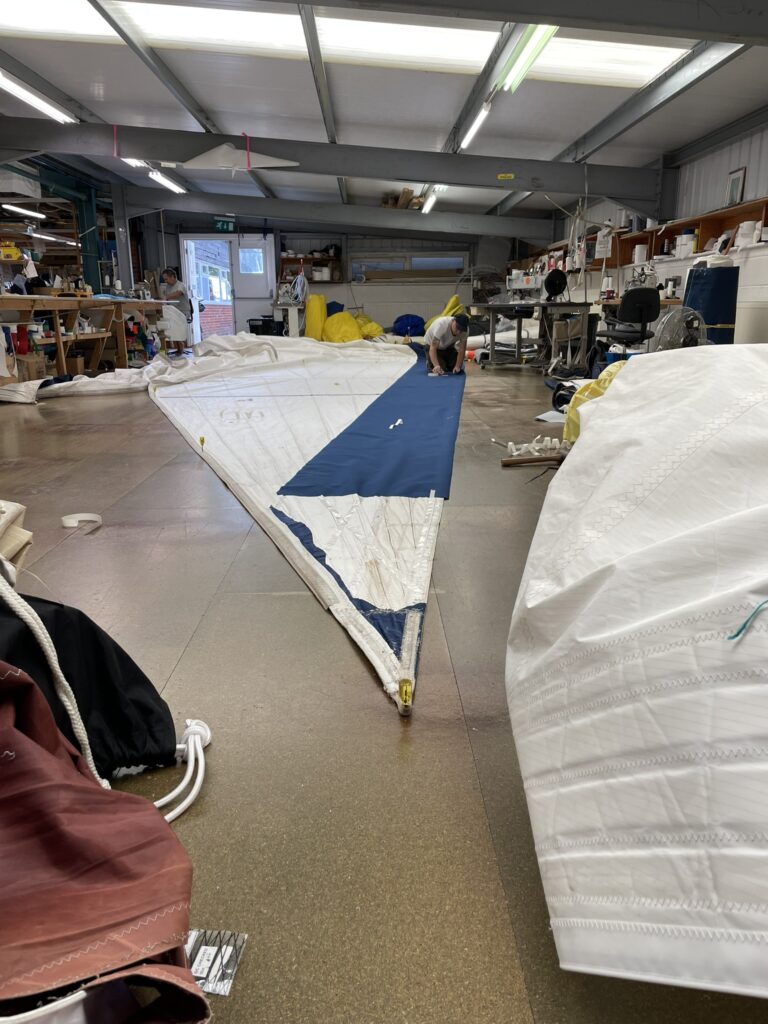
Bringing sails back to the loft annually allows small issues to be addressed early, stitching to be refreshed, chafe protection renewed, and shape assessed. This can add years to a sail’s working life and helps ensure it continues to perform as intended. At Sanders Sails, we see sail care as part of a long-term partnership. Well-looked-after sails not only last longer, they sail better, look better, and provide far greater value over time.
A little care goes a very long way.