Step 1: Prepare the Sail and Batten Receptacle
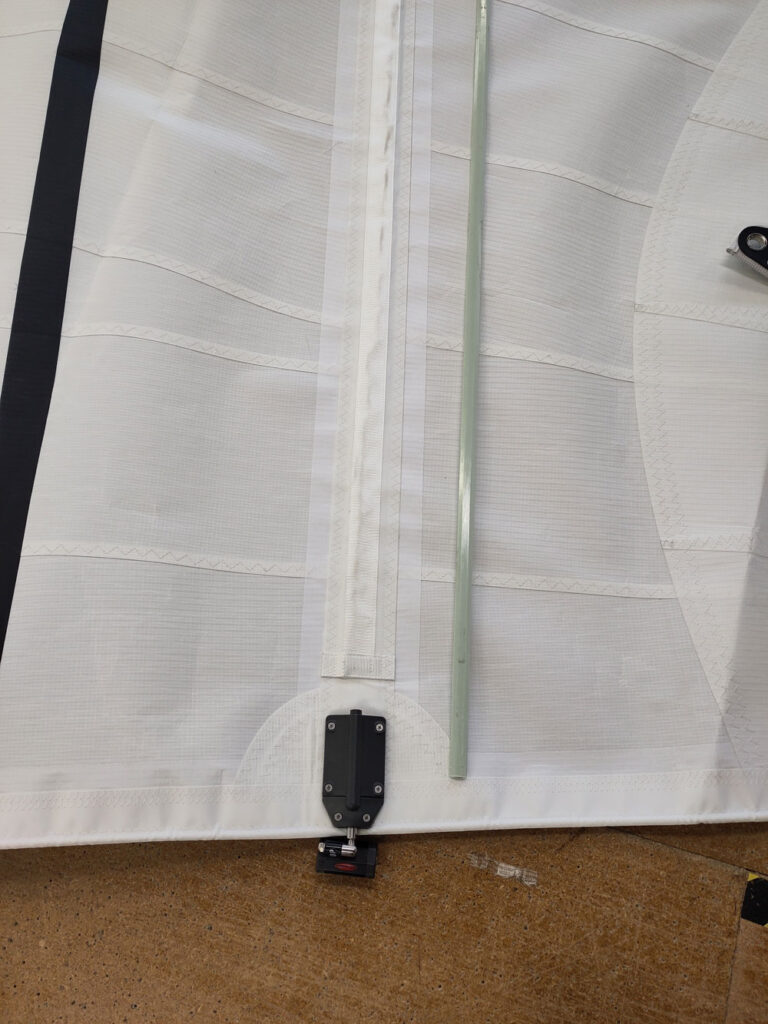
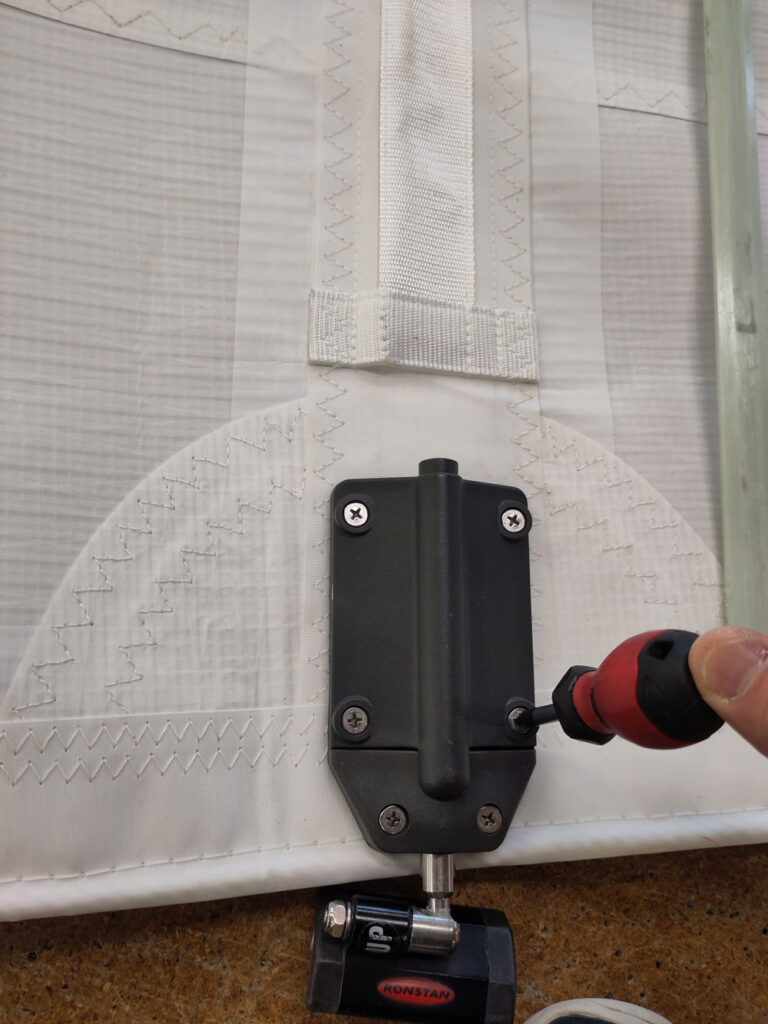
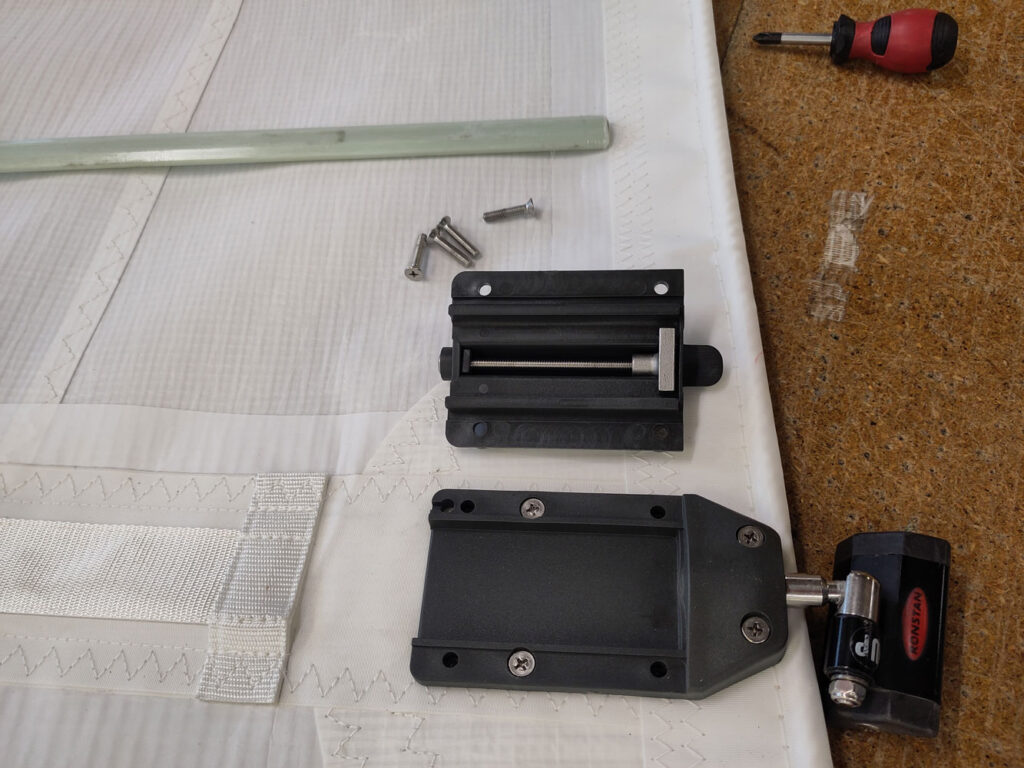
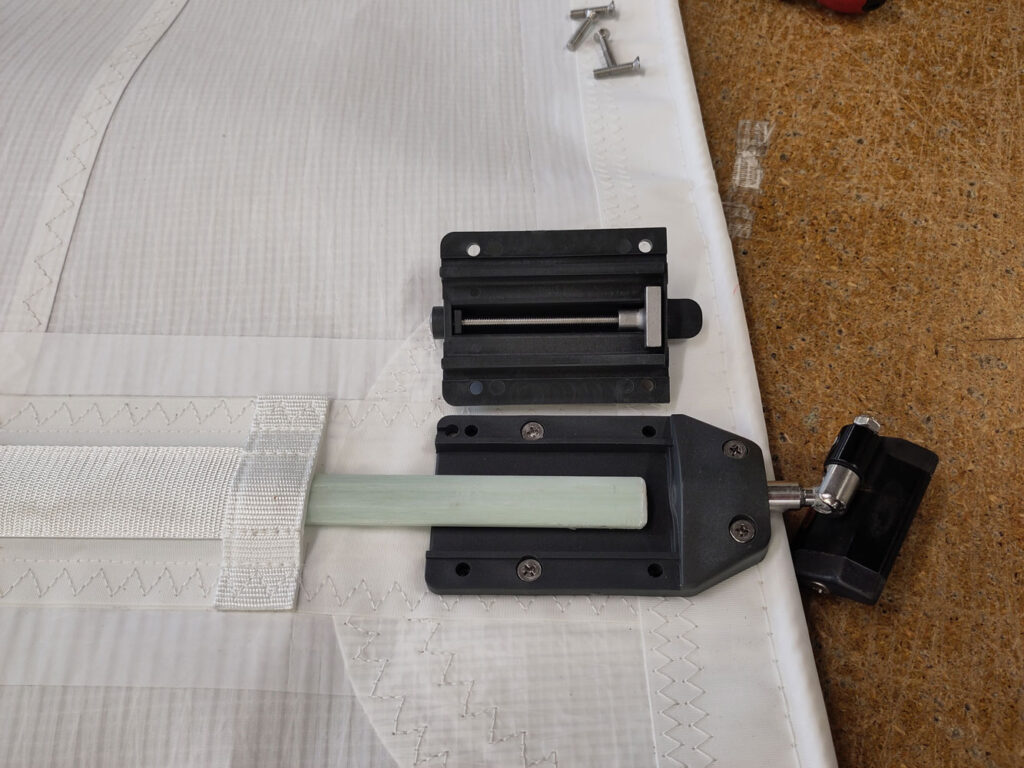
The majority of our full-length batten pockets are luff-loaded, allowing compression cars to be threaded onto the luff via a batten receptacle. If conditions allow, the easiest method is to hoist the mainsail and load one batten at a time from the top down as the sail is fed into the mast track. Alternatively, battens can be fitted on deck or from a stable pontoon before hoisting. Locate the appropriate batten and, using a Phillips screwdriver, remove the four most aft screws from the batten receptacle. Please take care not to lose the nylon nut situated underneath.
Step 2: Insert the Batten
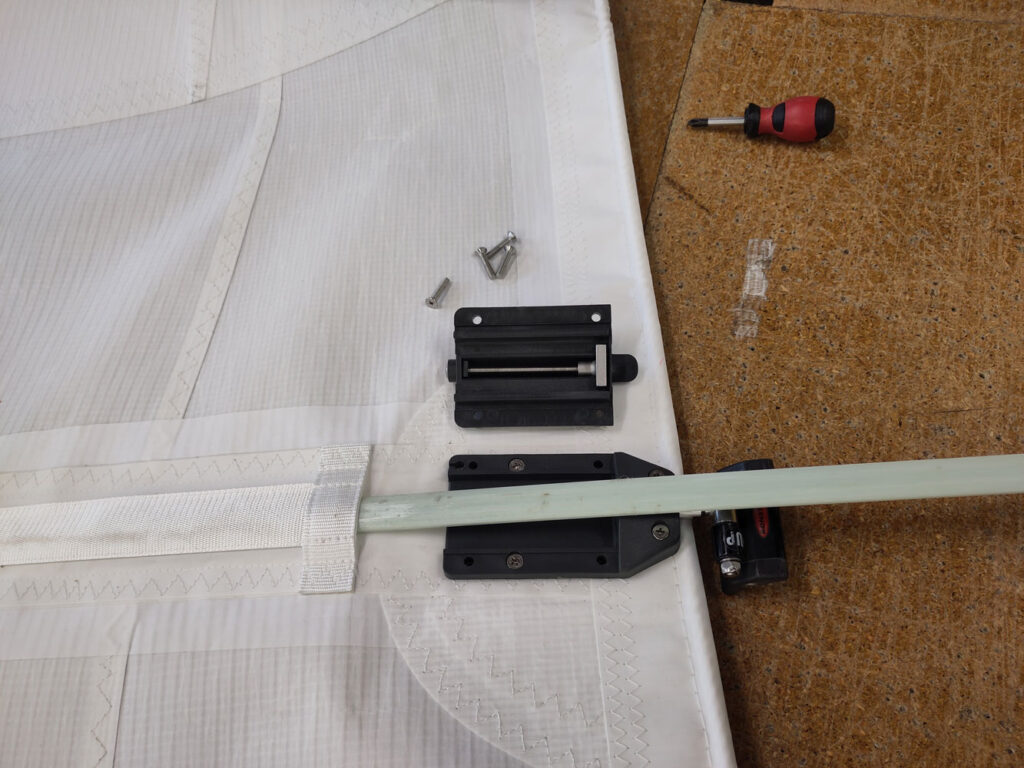
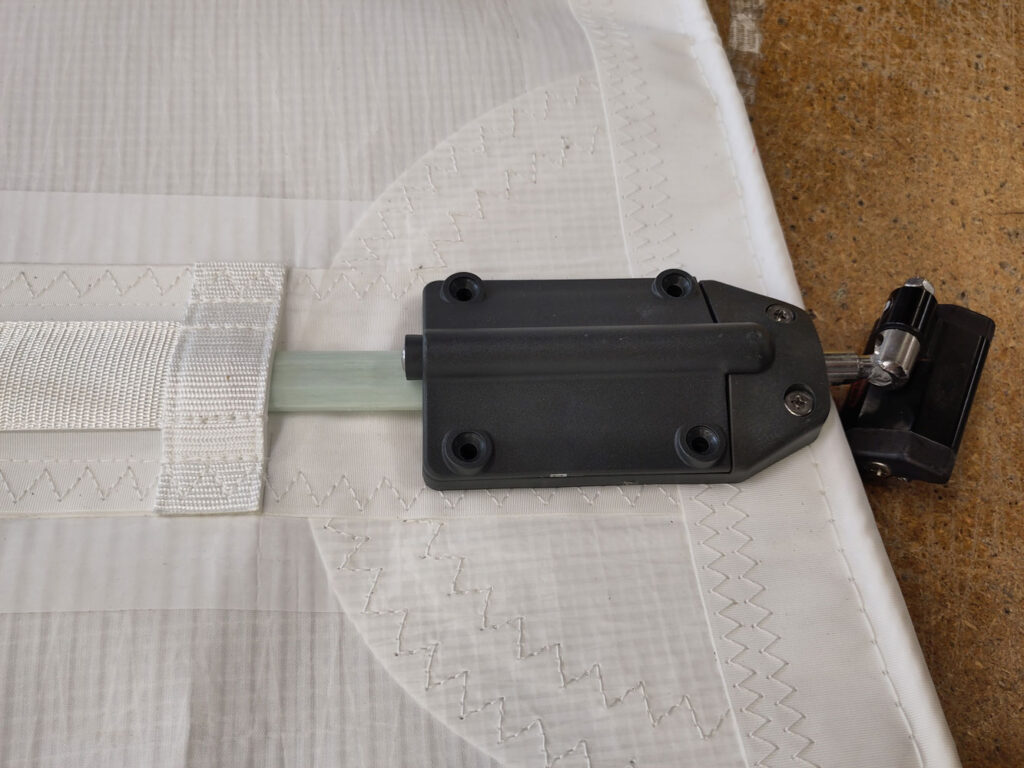
Once the outer cover is removed, slide the batten into the pocket from the luff towards the leech. We only use Sailman receptacles on larger mainsails (typically 42ft and above) where we most commonly supply BlueStreak non-tapered battens, meaning either end can be inserted first. Push the batten fully home until it seats neatly inside the box at the inboard end.
Step 3: Closing the Batten Receptacle
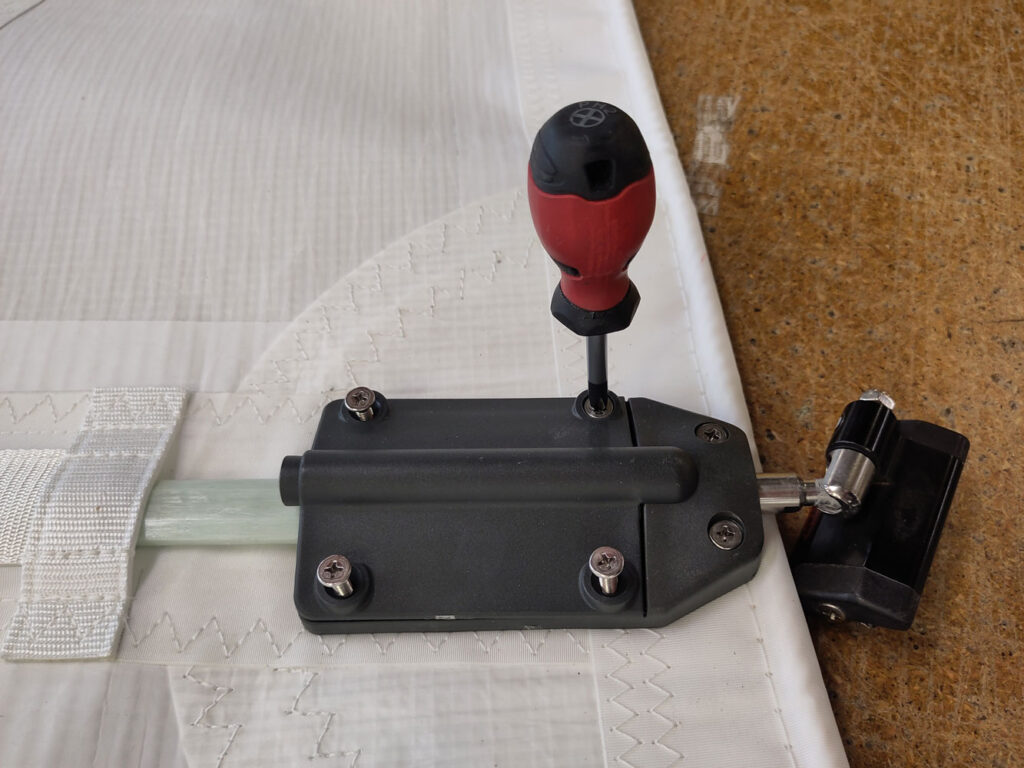
Once correctly located; place the cover back down, making sure the adjustment collar is at the front of the box. If all has been correctly prepared in the previous steps, the cover should sit flush on top of the receptacle ready to be screwed down.
Step 4: Adjusting the Batten Tension
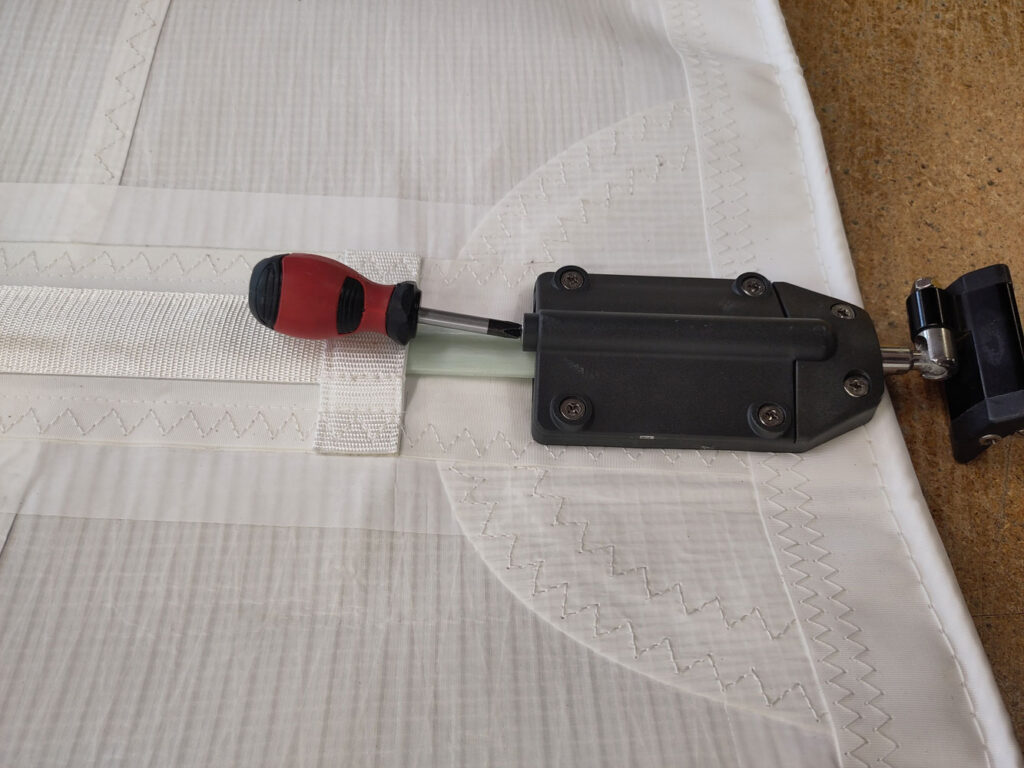
Refit the screws using a Phillips screwdriver, holding the nylon nuts in place as required. Tighten to a gentle hand-tight torque only. If using a drill, select a low torque setting to avoid damaging the plastic sleeve retaining the nylon nut. Once secure, tension can be adjusted from the back of the box, applying just enough tension to remove any vertical creases radiating from the pocket.