
Introduction: Practical Steps for Greener Racing & Cruising
Sailing gives us something rare – quiet power, open water, and complete reliance on the natural world around us. Whether you are lining up on a Solent start line, double-handed offshore, or easing into a quiet anchorage for the evening, we all depend on the same wind and water. With that privilege comes responsibility. Sustainable sailing does not require grand gestures or expensive upgrades. More often, it is about simple habits: maintaining what you already own, reducing waste onboard, anchoring thoughtfully, and ensuring old sails do not end up in a landfill. Small, consistent actions taken across fleets and clubs create meaningful impact over time.
At Sanders Sails, we have always believed in longevity – building sails to last, repairing before replacing and supporting sailors’ season after season. Being environmentally conscious is not a trend; it is part of good seamanship. In this guide, we share practical steps that racers, cruisers and club sailors alike can adopt to reduce their environmental footprint, without compromising performance or enjoyment. Because protecting the waters we sail on is simply part of sailing well.
Start with the Boat You Already Have
The most sustainable sail is the one already in your inventory.
Before replacing sails, consider:
- Annual inspections
- Professional servicing
- Re-stitching and chafe patch repairs
- Batten pocket reinforcement
- UV strip replacement
- Re-cutting older sails for training or cruising use
Extending the life of a sail by even one season significantly reduces material waste and manufacturing footprint. High-quality woven and membrane sails are designed to be maintained, not discarded. A well-cared-for sail is not only greener, it is faster and more reliable.
Repair Before Replace
It is easy to assume that a damaged sail is finished. In reality, many sails can be repaired and returned to competitive shape:
- Torn leech? Repairable.
- Chafe at spreaders? Patch and reinforce.
- UV strip degraded? Replace, don’t replace the sail.
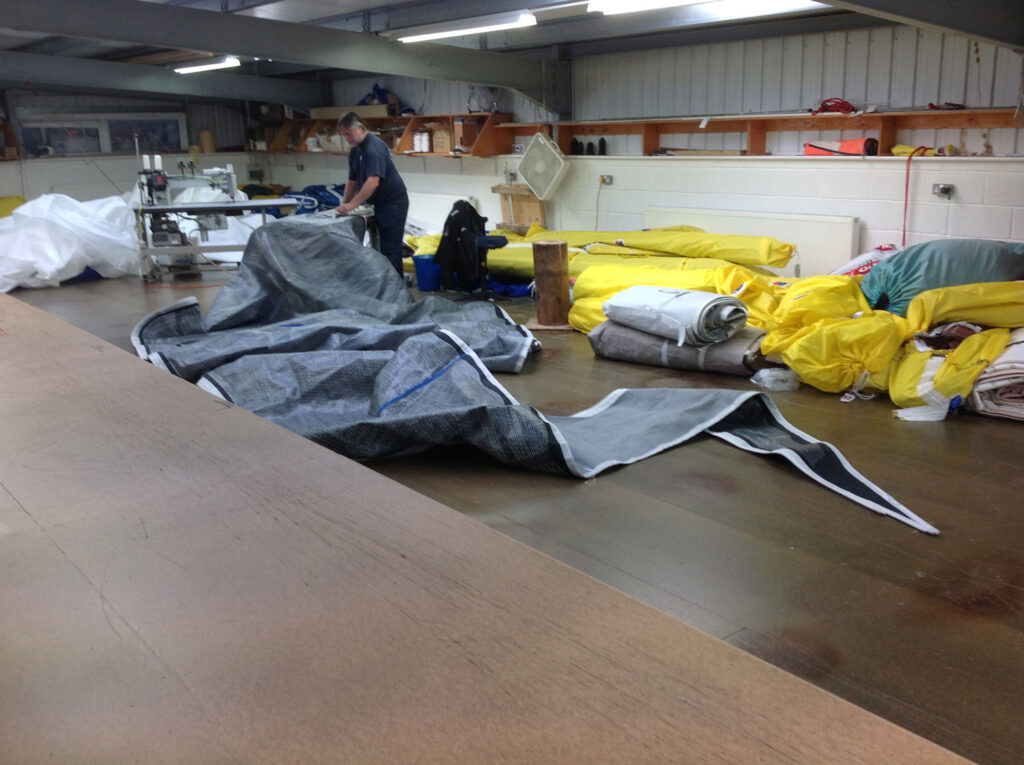
Servicing sails annually; especially before winter storage, dramatically extends their lifespan and keeps material out of landfill. This applies just as much to race sails as cruising sails.
Anchor and Moor with Care
For cruisers and regatta fleets alike:
- Use designated anchoring zones where possible.
- Avoid dropping anchor on fragile seabeds (eelgrass and seagrass beds are critical habitats).
- Lift anchors carefully to avoid dragging damage.
- When rafting, minimise engine use and idling.
Small location choices protect ecosystems that take decades to recover.

Manage Waste Like a Crew Discipline
Whether you are racing around the cans or cruising for a week:
- Remove excess packaging before leaving the dock.
- Avoid single-use plastics where possible.
- Assign one crew member to manage onboard waste.
- Secure rubbish so nothing can blow overboard.
- Never throw food scraps into the sea – even biodegradable waste disrupts marine balance.
For race boats, especially, discipline here matters. Windy foredecks and open cockpits are prime environments for accidental litter.
Think Before you Motor
We all use engines, but thoughtful habits help:
- Plan sail entries and exits from harbours.
- Practise short-distance sailing rather than motoring to a start line.
- Maintain engines properly to prevent oil and fuel leaks.
- Avoid unnecessary idling while waiting.
Even modest reductions in engine hours across a fleet make a measurable difference.
Upgrade Responsibly
When the time comes to invest in new sails:
- Choose durability and longevity over short lifecycle solutions.
- Discuss cloth options suited to your true usage (over-specifying increases waste).
- Maintain and service new sails from season one.
A sail designed correctly for its purpose will perform longer and require fewer replacements.
Keep Old Sails Out of Landfill
This is where we can all do better. Old sails are made from durable synthetic materials that do not break down quickly in landfill. Instead of discarding them, consider:
- Repurposing for covers or storm sails
- Donating to training programmes
- Recycling or upcycling initiatives
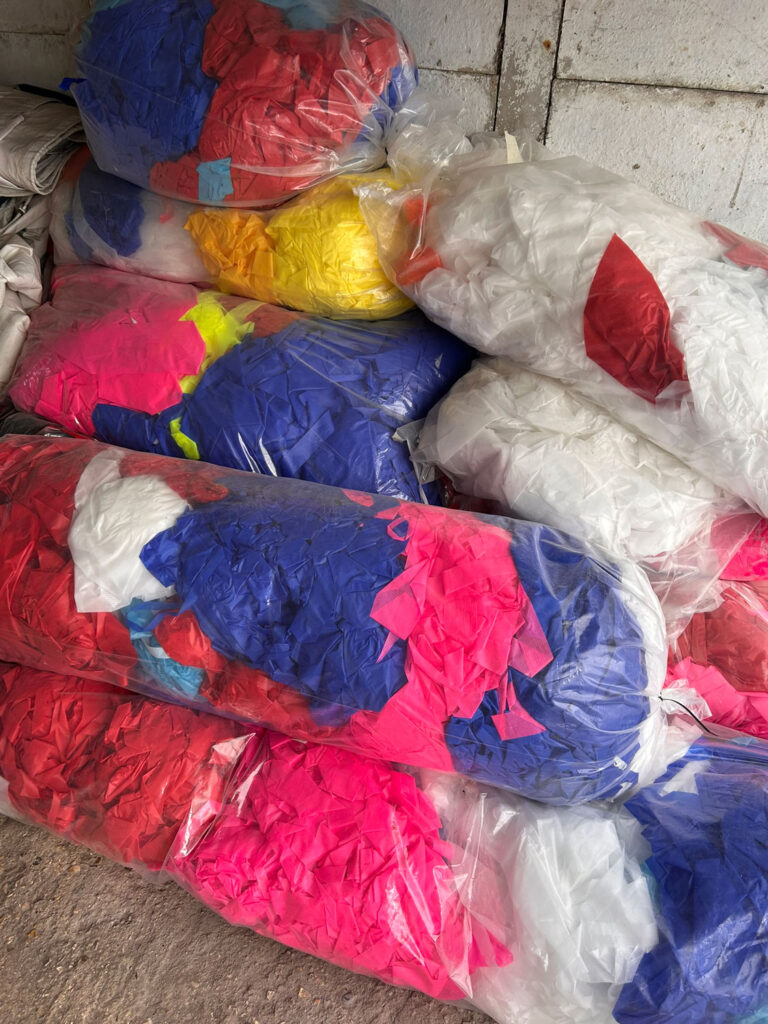
- Sanders Upcycling Sail Drop Off
At Sanders, we operate a sail drop-off scheme designed to keep old sails out of landfill. Sailors can bring unwanted sails to us, where we ensure they are:
- Reused where possible
- Repurposed into secondary marine products
- Sent through appropriate recycling streams
If you have sails sitting in a garage or sail bag that will never fly again; let us, give them a responsible second life.
Support a Green Culture at Your Club
Clubs and regatta organisers can:
- Provide clearly labelled recycling stations
- Host sail-care workshops to extend product life
- Create “green team” initiatives
- Encourage refillable water bottles
- Promote sail recycling programmes
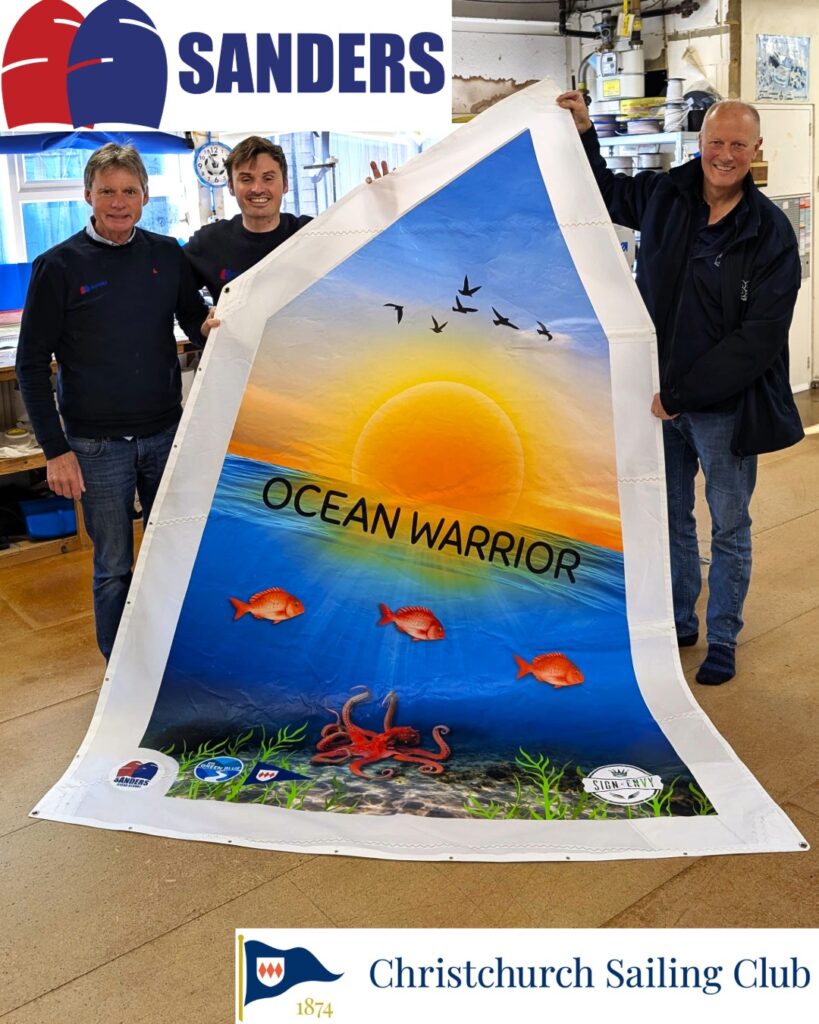
Cultural change happens fleet by fleet, club by club. Across the country, sailing clubs are leading by example; introducing thoughtful initiatives that make a genuine difference. One such example is Christchurch Sailing Club and the proactive work being driven by their Rear Commodore for Sustainability, David Riley, whose efforts are helping embed environmental responsibility into everyday sailing life.
Small Changes. Big Impact.
No single boat will change the ocean. But fleets can. If every cruiser reduced waste slightly, every racer serviced sails annually, and every old sail avoided landfill, the cumulative effect would be substantial. Sailing gives us immense privilege – clean wind, open water, quiet anchorages, and competitive racecourses. Looking after that environment is simply part of good seamanship.
Click here to read about Sanders involvement with other Sustainable projects.